比喻:理解与误导之间的边界

比喻作为语言中的一种修辞手法,广泛应用于各类文本中,特别是在学术、文学、演讲等领域。它的作用是将一个复杂、抽象的概念通过与一个熟悉或直观的事物进行类比,使其变得更加易于理解。然而,比喻的使用并非总是无害的,若不加以审慎,其本质可能会从帮助理解变为误导认知。因此,如何合理使用比喻,避免其偏离原本的目的,是我们在思考和交流中的一项重要课题。

一、比喻的基本功能

比喻的主要作用在于帮助我们理解一些抽象或复杂的概念。当我们面对不熟悉的事物或难以直接感知的概念时,借用已有的、感官易于接触的对象进行类比,可以使得这些抽象概念更加具体、形象,从而提升理解的效率。例如,在解释“时间”这一抽象概念时,有人常用“流水”来比喻,强调其无尽的流逝和不可逆转的特性。这种类比通过联系我们对水流的直观感知,使得时间这一概念显得更加生动易懂。

此外,比喻能够在简化复杂事物的同时,保留某些重要的特性,使人们能够快速抓住核心要素。在教学中,讲解者常常用比喻来帮助学生从已知推导到未知,构建起对新知识的理解框架。

二、比喻的误区:偏离事实与逻辑

尽管比喻在理解中具有积极作用,但其使用如果不够严谨,可能会导致理解的偏差。首先,比喻本身是一种抽象化的表达,它往往忽略了事物的复杂性。比如在讨论某一社会现象时,某些比喻可能会过度简化问题,将复杂的现象归结为某种单一的、具象的形象,忽略了其背后深层的结构性因素。这种简化虽然在短期内能激发情感上的共鸣,但却可能误导听众忽略问题的多面性与深度。

以“市场是一个看不见的手”的经典比喻为例,这一比喻形象地说明了市场机制的自发调节功能,但它却容易使人忽视市场调节的局限性,例如信息不对称、市场失灵等问题。如果过度依赖这一比喻,可能会导致对市场调节功能的过度信任,从而忽略了其它重要的因素,如政府干预和宏观调控的必要性。

其次,比喻在某些情况下被人为地扭曲,用以支持某种特定的立场或观点。当比喻被用来作为论述的工具时,其背后的逻辑关系可能被故意简化或变形。例如,在某些学术争论中,比喻可能会将复杂的现象归结为“善”与“恶”的二元对立,诱导听众从情感角度接受某种价值判断,而不是理性地分析问题。这种情况下,比喻从工具变为宣传手段,它可能掩盖了事实的复杂性,甚至造成对事实的歪曲。

三、比喻的合理使用:把握平衡

要使比喻真正发挥作用,我们必须谨慎地把握其使用的度。首先,比喻应当是辅助性的,而非主导性的。它不能取代对概念的深度理解,而应当仅作为辅助工具来提高理解的效率。例如,在讨论“自由”这一哲学命题时,我们可以借用“鸟儿在天空翱翔”的比喻,帮助听众形成直观的感知,但我们依然需要深入探讨自由的多重含义、局限性与实现方式,而不是仅凭比喻得出片面的结论。

其次,比喻应当符合事物的本质特征,避免过度简化或错误引导。比喻的有效性在于其能够准确地传达事物的某一方面特性,而不应掩盖或歪曲事物的复杂性。因此,在使用比喻时,我们需要确保其能够反映出事物的核心特征,并且不带有任何误导性质。

最后,比喻的使用应当尊重逻辑与事实,而非仅仅依赖情感的力量。比喻的目的在于帮助人们更好地理解事实,而非通过情感渲染来操控观点。因此,在进行比喻时,应当坚持事实为基础,避免借用比喻来支持不合逻辑的观点。

四、结语

比喻作为一种语言工具,能够极大地帮助人们理解复杂概念,使沟通变得更加生动和易于接受。然而,比喻也有其局限性,若使用不当,它可能会成为误导的工具。我们在使用比喻时,必须时刻保持理性思维,避免其过度简化或歪曲事实。理性分析和逻辑思维应当是我们理解和使用比喻的基础,只有这样,比喻才能真正服务于认知,而不是成为误导思维的工具。


图片

Beckham scored a crucial free-kick against Greece, 2001

  • 2001年10月6日,贝克汉姆在老特拉福德对希腊的比赛中打入关键任意球,助英格兰晋级世界杯。

名言

  • The limits of my language mean the limits of my world.
  • 语言的边界就是世界的边界。

Meaningless Exhaustion: How a Society Falls into Consumptive Competition

On this land, at once familiar and alien, people have long since learned how to run—yet forgotten why they ever started.

College entrance exams, job hunts, endless overtime, a flood of certificates and qualifications… these are the daily rhythms of our lives, collectively known as “involution.” On the surface, they seem to measure competence, but in truth, they drain individual energy. More cruelly, they consume not only time and physical strength, but also one’s passion for life and impulse to create.

The term “consumptive competition” is neither elegant nor noble. It lacks the halo of “striving” and “ambition,” and instead sounds dim, even bleak. It doesn’t describe the opening of upward mobility, but the spread of survival anxiety; not a necessary path to an ideal society, but a systemic trap into which we’ve collectively fallen.

This form of competition is the maintenance of an illusion. Like someone standing up in a movie theater to see better—forcing those behind to stand too—eventually everyone is standing, yet no one sees any farther. The unequal distribution of resources and the scarcity of upward paths compel individuals to prove themselves “worthy of selection” through increasingly intense, formalized competition. But this process of proof creates no new value. It only repeats, mimics, dissipates—grinding down people’s potential and willpower, round after round.

This isn’t the fault of individuals. No one is born loving involution, just as no one longs to be trapped on a treadmill. The problem lies in a system obsessed with metrics, fixated on quantifiable performance, and addicted to “stable outcomes.” Thus, education becomes a testing machine, work becomes a pile of assessments, time is filled to the brim—while the soul is gradually hollowed out.

Some say this is a helpless choice, the inevitable road of the times. But is it really? True creation and progress have never come from uniform conformity, but from those willing to explore possibilities amid chaos. Yet these are the very people most easily eliminated in today’s social climate. Because they do not follow the “standard process,” they lack quantifiable achievements and are thus deemed “unqualified” by the system.

Our whole society resembles a machine running on faulty instructions—spinning rapidly, but going nowhere. We’re exhausted, dragged along by one another, yet powerless to stop. If you don’t join the race, you fall behind. If you try to step away, you find yourself surrounded by walls—engraved with words like “reality,” “responsibility,” and “survival.”

This is not just a systemic trap—it’s the collapse of collective will. We no longer believe that real value comes from creation and collaboration. Instead, we’ve come to accept that all effort must manifest through competition. Everything can be replaced, except one thing: your willingness to endure more, to grind harder—even if that very will is slowly destroying you.

And if there is tragedy in this, it’s that even after recognizing its meaninglessness, we still have no choice but to continue.

Have you ever heard the subway at 2 a.m.?
It doesn’t belong to dreams, nor to passion.
It belongs only to those who dare not stop.


Picture

John Terry slipped, 2008

  • In the 2008 UEFA Champions League final, Chelsea captain John Terry slipped during the penalty shootout and missed what could have been the winning kick. Chelsea eventually lost to Manchester United, and the moment became one of the most heartbreaking scenes in football history.

Quote

  • The system is not broken. It was built this way.

无意义的疲惫:一个社会如何陷入消耗型竞争

在这片熟悉而陌生的土地上,人们早已学会了如何奔跑,却忘了为何出发。

高考应试、求职竞争、无休止的加班、层出不穷的证书与资质认证……这些被统称为“卷”的活动,构成了我们日常生活的主旋律。它们表面上是在筛选能力,实则在耗尽个体的精力。更残酷的是,它们耗尽的不仅是时间和体力,还有人对生活的热情与创造的冲动。

“消耗型竞争”这个词,并不美,也不宏伟。它没有“进取”与“奋斗”的光环,甚至显得有些灰暗。它描绘的,不是上升通道的打开,而是生存焦虑的扩散;不是理想社会的必经之路,而是集体陷入的系统性误区。

这种竞争是一种幻觉的维持。就像电影院里有人站起来看得更清楚,于是后排不得不站起,最后全场都站着,却谁也没有比别人看得更远。社会资源分配的不均、上升通道的稀缺,使得个体只能通过越来越激烈的形式化竞争证明自己“值得被选中”。但这证明过程本身,并不创造新价值。它只是重复、模仿、耗散,一轮又一轮地消磨人的潜力与意志。

这并非个体的错。没有人天生热爱卷,正如没有人渴望被困在跑步机上。问题出在整个社会运行机制对“指标”的迷恋,对“可量化绩效”的偏执,对“稳定结果”的执着。于是教育演化成考试机器,工作成了考核堆叠,时间被填满,灵魂却逐渐空洞。

有人说,这是无奈的选择,是时代的必经之路。但真的如此吗?真正的创造与进步,从来不来自千篇一律的内卷,而来自愿意在混乱中探索可能性的人。但这种人,在这种社会氛围中,是最容易被淘汰的。他们没有在“标准流程”中按部就班,因而缺乏可量化的成果,便被系统视为“不合格”的存在。

整个社会,像是一台被输入了错误指令的机器,在不断高速运转,却并未向前推进。我们疲惫不堪,彼此裹挟,却也无力停下。你不卷,就意味着落后;你想跳脱,却发现四周都是围墙,且墙上镌刻着“现实”、“责任”、“生存”的名目。

这不仅是制度的陷阱,更是一种集体意志的失效。我们已经不再相信真正的价值来自创造与协作,而默认所有努力只能通过竞争体现。一切都可以被替代,唯一不能被替代的,是你“更能忍、更能拼”的意志——哪怕这份意志,已将你慢慢磨碎。

如果说悲哀是什么,那就是在明知这一切无意义的前提下,依然不得不继续下去。

你听过凌晨两点的地铁吗?它不属于梦想,也不属于热爱,它只属于不敢停下的人。


图片

John Terry slipped, 2008

  • 2008年欧冠决赛,切尔西队长特里在点球大战中滑倒射失本可制胜的一球,最终球队不敌曼联。这一幕成为足坛最令人惋惜的悲情名场面之一。

名言

  • The system is not broken. It was built this way.
  • 这个系统并不是“坏了”——它本来就是被这样设计的。

Dispersed by Fate: Why We All Left Home

Late at night, the train pulls away from the small town station. The lights of the streets blur in the window, quietly receding into the distance. Those with backpacks don’t look back—not because they don’t care, but because departure has become too familiar, too inevitable.

We all leave. From villages, counties, even second-tier cities—we set out toward places that are bigger, faster, more uncertain. At first, we called it “seeking a better life.” Later, we stopped calling it anything. It just became the way things are.


I. Mobility for All Classes, but Not Quite Voluntary

There was a time when “migrant worker” referred only to laborers from rural areas. Today, whether you’re a factory worker or a white-collar employee, almost everyone is working away from home. The names of the jobs differ, but the logic of displacement remains the same.

Cities concentrate resources, power, and possibility. Regions outside these hubs grow increasingly marginal, slowly losing their legitimacy as places to “stay.” In such a structure, people have little real freedom of choice. Staying means giving up opportunities; leaving means paying the price in fractured relationships and emotional detachment.


II. The Erosion of Familiarity: Disconnected from People and Place

Leaving home is not just about geographic distance—it’s about losing an entire sensory map of life.

The snack stalls after school, the alleyways frozen in winter, the riverbank stones of childhood—all fade into static background noise once we leave. Urban life gradually strips away that deep sense of place, replacing it with uniform spaces that feel more functional than familiar.

Meanwhile, childhood friends scatter across the country. Group chats go silent. It’s not that friendships fade, but that life places us on separate tracks, each speeding away from the center.

Sometimes, scrolling through old contact lists, we realize: it’s been a long time since we last saw the people who mattered most.


III. Scarce Time for Family, Not from Forgetting but from Force

Life in the city is busy. Calendars are filled with meetings, deadlines, goals, and metrics. It’s not that we don’t want to spend time with our parents—it’s just that time itself becomes a luxury.

We return home maybe twice a year, staying for just a few days. Those brief reunions feel warm but fleeting—like sunlight filtered through a train window. Not exactly a “missed” relationship, but one too brief to feel complete.


IV. The Narrowing Path: Fading Dreams of Social Mobility

Many leave their hometowns in search of “upward mobility.” University degrees, corporate jobs, the hope of a better future. But reality is more complicated.

People work overtime while dodging rising rents. They chase promotions while drifting further from emotional anchors. The city doesn’t embrace them; it merely uses them.

What we call “career development” often becomes a way of compensating for lost safety. What we call “opportunity” starts to resemble a price tag: time, energy, relationships.


V. It Didn’t Have to Be This Way—But It Is

In theory, better regional development and public infrastructure could ease this structural drift. But real-world systems are slow to change. The city’s pull is built on imbalance. That’s what makes leaving seem inevitable.

So we go. Not because we want to, but because the alternatives feel even smaller.

And somewhere deep down, we know: this isn’t the life we hoped for—it’s the one we were cornered into. Sensible, but hollow. Realistic, but far from joyful.


Conclusion

The streets we knew become postcards. The friends we grew up with become profile pictures. We went far, yet still don’t know if we can ever go “back”—not just geographically, but emotionally.

This generation left home and became rootless in skyscrapers.
We pursued something “better,” but lost something complete.

Someday, we may ask:

Is there a way to live without abandoning what’s familiar?
Without severing our old ties?
Without spending a lifetime brushing past those we love?

The city won’t answer.

But still, the wind blows.

Picture

Fernando Torres' farewell match at Atlético Madrid, 2018

  • On May 20, 2018, in the final matchday of La Liga, Atlético Madrid drew 2–2 at home against Eibar. It was Fernando Torres’ farewell game for the club, and he marked the occasion with a brilliant brace to bring his Atlético journey to a perfect close.

Quote

  • Man is born free, and everywhere he is in chains.
命运的离散:他们为什么都离开了故乡

深夜的列车驶离县城,小镇的灯火在车窗外模糊退场。背着行李的人没有回头——他们也许不知道,这一走,不只是距离的拉开,还有关系的松动、熟悉的丢失,以及生活方式的更替。

我们都在离开。从村庄、县城、甚至二线城市,前往更远更大的地方谋生。起初只是为了“更好的生活”,后来却变成了一种惯性的迁徙,一种仿佛不可更改的宿命。


一、全阶层的流动,不自由的选择

曾几何时,“打工”一词专指农民工,但今天,从蓝领到白领,从流水线到写字楼,几乎所有人都在“为生活奔赴远方”。只是岗位不同,命运的逻辑并没有改变。

城市集中着资源、话语权与未来的可能性,而非核心区域则不断被边缘化,失去了“留下”的正当性。在这种结构下,个体很难有真正的选择自由。留下意味着机会稀少,离开就必须承担关系断裂与情感流失的成本。


二、逐渐稀薄的熟悉感:人际与地理的双重脱根

离开家乡的不只是地理坐标,更是一整套生活感知系统。

小时候放学路上的小吃摊,冬天结冰的巷子,夏天在河边打水仗的石坝,那些和我们一同成长的环境,在离开之后,变成了遥远的背景音。我们逐渐失去对“地方”的真实连接,熟悉感在城市的标准化空间里被磨得越来越薄

与此同时,老同学散落四方,童年的朋友圈也在慢慢沉寂。大家都在向前走,但方向各异,速度不同,再无少年时那种不约而同的默契。

有时翻出通讯录,才发现那些最亲近的人,已经好久没有见过面了。并非感情变淡,而是生活将我们推向了不同轨道。


三、亲情的陪伴变得稀缺,不是遗忘,而是无法

城市生活节奏太快,我们每天被“工作”“应酬”“升职”“KPI”占满日程表。不是我们不想陪伴父母,而是陪伴成了一种奢侈。

一年回两次家,短短几天匆匆见面,似乎足够维持亲情的温度,但内心都明白,这些碎片时间远远不够。并非“错过”,只是人生短暂,而相聚的时刻太少,留下浅浅的遗憾


四、上升通道渐窄,幻想逐渐褪色

许多人离开家乡,是为了“改变命运”。考上大学,进大公司,希望借城市的力量完成跃迁。

但现实并不总是温柔。大多数人一边加班一边被房价逼退,一边焦虑职业瓶颈一边焦虑亲密关系。城市不属于他们,只容纳他们白天上班、晚上独处的身影。

所谓的“发展”,慢慢成了对安全感的补偿游戏;所谓的“机会”,成了压缩时间与情绪的代价清单。


五、并非非此不可,却难以另寻出路

理论上讲,区域平衡、城乡一体、公共服务均等化都能缓解这场结构性离散。但现实复杂:资源不会轻易下沉,系统惯性巨大,城市的吸力来自不平等的优势,这种吸力让离开成了必然

所以我们离开了,但心里总知道,这不是我们理想中的生活方式。它合理,却让人无奈;它现实,却不值得歌颂。


结语

我们从小熟悉的一切,被一次次离开稀释成回忆。我们走得很远,却不知道还能不能回去——不仅是地理意义上的“回去”,更是情感、关系和生活方式的“回归”。

这一代人,走出了小镇,却在城市里成了没有根的人。
我们在追求“更好”的同时,也在告别“完整”。

终有一天,我们会问:
有没有一种生活,不必告别熟悉,不必对抗孤独,不必用一生与他人擦肩?

但城市没有回答。
只是风,还在刮。


图片

Fernando Torres' farewell match at Atlético Madrid, 2018

  • 2018年5月20日,西甲收官战,马竞主场2:2战平埃瓦尔。这是托雷斯的告别之战,他用一场梅开二度为自己的马竞生涯画上了圆满句号。

名言

  • Man is born free, and everywhere he is in chains.

  • 人生而自由,却无处不在枷锁之中。

A Rational Analysis of the “Power–Humiliation” Mechanism in the Workplace

A Rational Analysis of the “Power–Humiliation” Mechanism in the Workplace

In modern workplaces, organizational structure and power dynamics exert significant influence over employee behavior. While management styles vary across industries and companies, in some highly hierarchical organizations, a distinct “power–humiliation” mechanism can be observed. This mechanism is not necessarily a reflection of individual moral failings, but rather a product of systemic pressures and structural incentives. The following offers a rational analysis of these workplace phenomena.

1. The Behavior Pattern of Pleasing Upward and Pressuring Downward

In certain organizational cultures, some employees adopt a strategy of pleasing superiors to gain favor, job security, or promotion opportunities. This may involve taking on excessive workloads, excessive flattery, or tolerating unreasonable demands. Simultaneously, these individuals may assert dominance over subordinates or peers to reinforce their own position. While this behavior may be seen as a pragmatic survival tactic, it often contributes to hierarchical rigidity and deteriorating trust within teams.

2. Rationalizing Harmful Actions as “Just Doing My Job”

When employees are tasked with ethically questionable duties—such as overworking subordinates, concealing information, or enabling non-transparent practices—they may adopt a mindset of “I’m just following orders” or “it’s what the company requires.” This rationalization helps reduce cognitive dissonance and shift responsibility upward. However, over time, this diffusion of accountability may erode ethical standards and organizational integrity.

3. Internalization and Replication of a Humiliation Culture

In some environments, humiliation-based management practices—such as public criticism, personal belittlement, or the denial of individual effort—are not isolated incidents but embedded norms. Employees subjected to such treatment over time may internalize it as normal, and eventually replicate the same behaviors once they ascend into managerial roles. This transition from “victim” to “perpetrator” reinforces a cycle that makes positive cultural change difficult.

4. Top-Down Pressure in Pyramid-Like Structures

Many organizations operate under a strictly hierarchical, top-down structure. Middle managers, situated between executive leadership and front-line staff, often bear the burden of translating high-level goals into concrete actions. To maintain favor with upper management, they may intensify pressure on their teams, leading to a “pressure cascade” that can result in burnout, dissatisfaction, and high turnover at the bottom levels of the organization.

5. Humiliating Others to Reinforce One’s Own Position

In competitive and resource-constrained workplaces, some mid- or high-level employees may adopt a defensive posture by criticizing or suppressing others. This behavior often stems from job insecurity and the fear of being excluded from decision-making circles. By diminishing others, they attempt to reaffirm their relevance and demonstrate continued alignment with upper management. This is a psychological defense mechanism, not merely an expression of authority.

Conclusion

These workplace phenomena illustrate how power and humiliation can become deeply intertwined in certain organizational cultures. While such mechanisms may appear to support efficiency and control on the surface, their deeper effects involve fear, alienation, and psychological strain.


Picture

Cristiano Ronaldo, header, Champions League, Roma, 2008

  • On April 1, 2008, during the first leg of the Champions League quarter-finals, Manchester United’s Cristiano Ronaldo rose high to score a header against Roma at the Stadio Olimpico. United won the match 2-0 away from home.

Quote

  • The only thing necessary for the triumph of evil is for good men to do nothing.

职场中“权力—羞辱”机制的理性观察

职场中“权力—羞辱”机制的理性观察

在现代职场中,组织结构与权力关系对员工行为有深刻影响。尽管不同企业在管理风格与文化上存在差异,但在某些高度层级化的组织中,仍可观察到一套类似于“权力—羞辱”机制的职场生态。这一机制并非出于个体品格的缺陷,而往往是权力结构与生存压力交织作用的产物。以下将对此类现象进行理性分析。

一、“向上谄媚,向下施压”的权力行为模式

在一些组织中,为了获取上级信任、保全职位或争取晋升机会,一部分员工会表现出明显的“向上服从、向下强硬”的行为倾向。他们可能通过迎合上司、主动承担艰难任务来表达忠诚,同时又通过压制下属或同事,来确立自身地位。这种行为在某些环境中被视为“成熟”的职场策略,但长期来看可能会加剧团队内部的等级壁垒与信任缺失。

二、“只是工作”的责任转移心理

当员工被要求执行可能涉及道德边界的问题时,如压榨劳动力、隐瞒信息或参与不透明决策,他们往往会以“只是完成工作”作为内在心理缓冲。这种合理化机制有助于降低内心冲突,使人将责任归因于制度或上级,从而避免对自身行为的道德审视。然而,这也可能导致组织内部责任链条的断裂与伦理标准的滑坡。

三、羞辱文化的内化与复制

在部分企业中,带有羞辱性质的管理手段(如当众批评、贬低人格、否定努力)并非偶发事件,而是一种制度化的管理工具。被长期置于此环境中的员工,容易将羞辱内化为“职场常态”,甚至在成为管理者后复刻同样的方式对待他人。这种从“受害者”到“施害者”的转变,不仅导致恶性循环,也使组织文化难以改善。

四、金字塔式的指令体系与层层加压

一些组织结构高度金字塔化,决策层与执行层之间层级分明。在这种体系下,中层管理者常处于“上传下达”的双重压力中。为了维持与上层的良好关系,他们倾向于将目标或压力原样甚至加重地转嫁给下属,形成“层层加码”的局面。这种管理方式在短期内或能提升执行力,但长期来看却容易导致员工倦怠与离职率上升。

五、羞辱他人以维护自我边界

在资源有限、竞争激烈的职场环境中,一些员工尤其是中高层,为了避免被边缘化,可能通过挑剔、打压他人来彰显自身的不可替代性。这种行为从本质上说是一种防御机制,是对职位不稳定感的反应。通过对他人的否定,来强化自己仍被组织所信任的认知,从而暂时减轻自身的不安感。

结语

上述现象显示,某些职场文化中隐藏着一套以权力与羞辱为核心的心理与行为机制。它可能在表层体现为效率与秩序,但其深层逻辑却涉及控制、焦虑与自我保护。


图片

Cristiano Ronaldo, header, Champions League, Roma, 2008

  • 2008年4月1日,欧冠四分之一决赛首回合,曼联的C罗在罗马奥林匹克体育场面对罗马队高高跃起头球破门。此役曼联客场2-0取胜。

名言

  • The only thing necessary for the triumph of evil is for good men to do nothing.
  • 恶的力量得以胜利,仅仅是因为好人袖手旁观。

Source Bias and the Psychology of Trust in Information

In the complex landscape of information exchange, the credibility of a message often depends not just on its content but also on its source. This phenomenon, widely recognized in psychology and communication studies, is essential for understanding human interactions, public opinion formation, and decision-making processes.

I. Mechanisms of Source Bias

Definition and Background
Source bias refers to the tendency of people to judge the credibility and reliability of information based not solely on the message itself, but significantly on the identity of the person or institution delivering it. This bias is pervasive in everyday life. For instance, a statement from a respected scientist is likely to be taken more seriously than the same statement from an unknown individual.

Reasons for Source Bias

  1. Motivational Skepticism: When information comes from a source with a clear self-interest, people tend to be skeptical of its accuracy. For example, a company praising its own product is often viewed as biased, as the motivation for profit is obvious.
  2. Authority Effect: Information from figures perceived as experts or authority figures carries more weight because they are presumed to have superior knowledge and judgment. This effect is a key component of persuasion and trust building.
  3. Third-Party Validation: Independent endorsements are typically more influential than self-promotion, as they are seen as more impartial and less likely to be distorted by personal motives.

II. The Paradox of Self-Defense

Definition and Background
Self-defense, in the context of communication, refers to the act of defending one’s own credibility or actions. Ironically, the more one tries to justify themselves, the less credible they often appear. This paradox arises from deep-seated cognitive biases.

Reasons for This Paradox

  1. Defensive Motivation: When someone feels the need to defend themselves, others may instinctively doubt their intentions, suspecting that they are hiding something. This erodes the perceived objectivity of their message.
  2. Cognitive Dissonance: People tend to reject information that contradicts their pre-existing beliefs, creating a psychological discomfort that leads them to discount the validity of the message.
  3. Information Asymmetry: If the person defending themselves appears to know less about the situation than the audience, their arguments can seem weak or unconvincing.

III. The Social Proof and Conformity Trap

Definition and Background
Social proof refers to the psychological phenomenon where individuals rely on the behaviors and opinions of others to shape their own judgments and actions, especially in uncertain situations. This effect is not just common among individuals but also plays a critical role in group dynamics and public opinion.

Reasons for Social Proof Dependence

  1. Cognitive Simplification: When people face complex or ambiguous information, they often rely on the actions of others as a mental shortcut to reduce cognitive load.
  2. Peer Pressure: Individuals in group settings are heavily influenced by the behaviors of those around them, leading to conformity and a stronger reliance on group norms.
  3. Transfer of Trust: Broad social acceptance acts as a form of implicit validation, making certain information appear more credible by association.

IV. Broader Implications: Information Control and Opinion Shaping

Beyond individual psychology, the power of source bias extends into broader social contexts, including political propaganda, corporate branding, and media influence. Modern strategies for controlling public opinion often leverage these cognitive tendencies:

  1. Elite Control: Those who control major communication channels can shape public perception by selectively filtering information and framing narratives.
  2. Information Monopolies: When information sources are concentrated among a few powerful entities, the impact of source bias is amplified, leading to homogenized worldviews.
  3. Algorithmic Bias: In digital spaces, algorithms that prioritize certain content over others effectively create echo chambers, reinforcing pre-existing biases and limiting exposure to diverse viewpoints.

V. Conclusion

Understanding source bias is crucial not only for personal critical thinking but also for navigating the modern media landscape, where the line between fact and spin is often blurred. This awareness helps individuals better assess the reliability of the information they encounter and make more informed decisions.


Picture

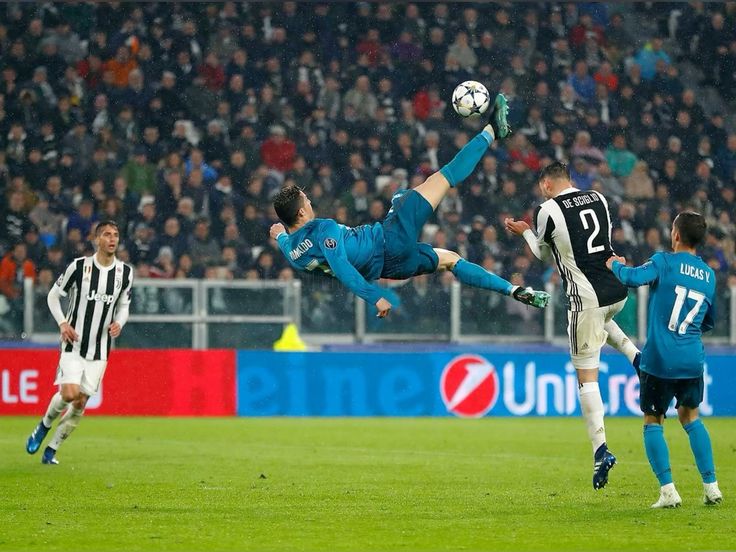
Cristiano Ronaldo scored a bicycle kick goal, 2018

  • On April 3, 2018, in the first leg of the UEFA Champions League quarter-finals at Allianz Stadium in Turin, Italy, Cristiano Ronaldo scored a bicycle kick goal against Juventus that stunned the world.

Quote

  • We are more inclined to believe those we like than those who speak the truth.

信息来源与信任偏见的冷峻剖析

在复杂的信息环境中,人们对信息的判断不仅取决于信息本身,还深受传播者的影响。这种现象不仅是心理学和传播学的重要研究课题,也是理解人际互动、舆论形成和决策机制的关键。

一、信息来源的偏见机制

定义与背景
信息来源效应(Source Effect)指的是,信息的可信度和说服力不仅由其内容决定,还受到传播者身份的显著影响。这种现象在日常生活中无处不在。例如,当同样的观点由一名权威专家和一名普通人提出时,人们通常更倾向于相信专家的说法。

原因分析

  1. 动机偏见:如果信息来自一个直接利益相关者,受众往往会怀疑其客观性。例如,一个公司宣称自己的产品质量最好,往往被视为夸大宣传,因为动机显而易见。
  2. 权威效应:权威身份增加信息的说服力,因为人们倾向于相信拥有专业知识的人。正如诺贝尔奖获得者的观点更容易被接受,而一个普通人的科学见解常常被忽视。
  3. 第三方背书:相比自我宣传,独立的第三方评价更具影响力,因为它被视为缺乏直接利益冲突,更具客观性。

二、自我辩护的困境

定义与背景
自我辩护常常面临一个根本困境:说得越多,听起来越不可信。这种现象背后的原因不仅是语言本身的问题,还涉及心理层面的认知失调。

原因分析

  1. 防卫性动机:当一个人试图为自己辩护时,受众会本能地怀疑其动机,认为对方试图掩盖某种事实。这种怀疑削弱了信息的可信度。
  2. 认知失调:人们在面对与自身信念不符的信息时,会本能地感到不适。这种不适促使他们质疑信息来源,并选择性地忽视或否认不符合预期的信息。
  3. 信息不对称:如果辩护者的信息掌握程度低于受众,其自我辩护就更容易被视为无力或缺乏说服力。

三、从众效应与社会认同

定义与背景
从众效应(Social Proof)是指在面对不确定性时,个体往往会依赖他人的行为和判断作为决策依据。这种现象不仅在个人层面广泛存在,还在群体行为和社会舆论的形成中起到关键作用。

原因分析

  1. 简化认知:在人们难以全面理解复杂信息时,他们往往通过观察他人的行为来简化决策过程。
  2. 群体压力:在群体环境中,个体往往受到同伴行为的强烈影响,这种压力进一步放大了信息来源效应。
  3. 信任迁移:广泛的社会认同被视为某种“验证”机制,使信息更加可信。

四、扩展思考:信息控制与舆论操控

在更广泛的社会背景下,信息来源效应不仅仅是一个心理现象,还涉及权力和舆论控制的问题。现代社会中的信息控制往往通过以下几种形式实现:

  1. 精英控制:掌握传播渠道的精英能够通过信息筛选和议程设置影响大众认知。
  2. 信息垄断:当信息来源集中于少数平台或机构时,信息来源效应被进一步放大,导致认知同质化。
  3. 算法偏见:在数字平台上,算法的设计直接影响信息的传播路径,使得部分信息更易于被接受,进一步固化了信息来源效应。

五、结论

信息来源效应不仅塑造了个人对信息的判断,也深刻影响了群体决策和社会舆论。理解这一现象不仅有助于个人在信息获取中的理性判断,还为社会治理、舆论引导和商业传播提供了重要的理论支持。


图片

Cristiano Ronaldo scored a bicycle kick goal, 2018

  • 2018年4月3日,欧冠四分之一决赛首回合,在意大利都灵的安联球场,C罗在对阵尤文图斯时打入一粒震惊世界的倒钩进球。

名言

  • We are more inclined to believe those we like than those who speak the truth.
  • 我们更容易相信那些我们愿意相信的人,而不是那些说了真话的人。

Why Does Chinese Football Keep Failing? The Real Problem Lies in a Systemic "Anti-Football Culture"

The failure of Chinese football isn’t due to a few underperforming players, nor is it solely the result of corruption or tactical shortcomings. The root cause lies deeper—in a systemic mismatch between the societal environment and the nature of football itself. We might call this an “anti-football culture”—not because people dislike football, but because the system fundamentally lacks the soil and mechanisms needed to nurture success in the sport.


1. The Football Population: It’s Not Just About Numbers

People often say, “China has 1.4 billion people—why can’t we find 11 good players?” This is a classic case of statistical illusion. The true “football population” isn’t defined by those who’ve kicked a ball once or twice, but by those who, from a young age, have received consistent, systematic training and remain engaged in competitive football.

  • Schools are closed off; there’s no room after class: Fear of injuries, liability concerns, and risk-averse administrators make football an expensive extracurricular luxury, not a norm.
  • Families are unsupportive: Parents often tell children, “Football has no future,” and even the passionate ones eventually yield to academic pressure.
  • There’s no social atmosphere: With intense work stress, scarce fields, and high costs, even football-loving adults have nowhere to play. The issue isn’t a lack of passion—it’s a lack of access.

So while it may seem like “everyone loves football,” the number of kids who can truly participate in a structured way is likely smaller than in a mid-sized European country.


2. Playing Football Is a Gamble, Not a Choice

Compared to Japan, Argentina, or even Iraq—three vastly different countries—Chinese kids face higher costs and greater uncertainty in pursuing football.

  • In Japan, football is a well-structured and socially recognized path. With a mature youth training system, players can pivot to other careers through education if they don’t make it professionally. Families and society support participation in sports.
  • In Argentina, despite chronic economic instability, football is deeply embedded in the national culture. Street fields are everywhere, and the ecosystem is fueled by talent and passion.
  • Even in war-torn Iraq, strong national identity and grassroots systems consistently produce national team players.

In China, pursuing football means abandoning the mainstream academic route, bearing high costs, and facing higher risks of failure. This turns football into a high-stakes gamble rather than a viable career path.


3. Players in the System Are “Tragic Winners”

Chinese national team players are, in some ways, the lucky few who’ve emerged from a brutal selection process. Yet they end up shouldering the blame for a broken system.

  • They are among the few who managed to “make it,” yet are blamed for collective failure.
  • They are the best the system could produce—and still can’t overcome structural shortcomings.
  • Their careers are shaped not only by the sport, but by public disappointment, ridicule, and pressure.

It’s a tragedy: these players represent the ceiling of the system’s capabilities, and in doing so, reveal the absurdity of that ceiling.


4. The Issue Isn’t Lack of Resources—It’s Misallocation

China isn’t short on funding or policies, but its investment strategy is severely misaligned with football’s natural development logic:

  • Football administrators are driven by political performance metrics, seeking short-term results rather than long-term cultivation.
  • Local governments pour money into image projects: building fields is easy, maintaining and operating them is hard.
  • Professional clubs offer sky-high salaries with little accountability, while grassroots training remains unsupported.

When opportunism, shortsightedness, and formalism dominate the development strategy, talent pipelines naturally narrow to a trickle.


5. The Deeper Problem: A Systemic “Anti-Football Culture”

At its core, China’s football problem isn’t about tactics or technique—it’s about a cultural and institutional environment that stifles the freedom and creativity football thrives on:

  • Football is a sport defined by unpredictability and imagination—it requires room for mistakes and tolerance for failure.
  • Our familiar system emphasizes standard answers, controlled outcomes, and punitive measures.
  • Football grows from the grassroots, from spontaneous participation—but China’s resources and attention are overwhelmingly focused at the top.

The problem isn’t that “we’re not good enough”—it’s that our systems and methods were never designed to foster football in the first place.


Conclusion: The Real Solution Is Systemic Reform, Not Slogans

Reviving Chinese football isn’t about winning one game—it’s about fundamentally rethinking how we understand and support the sport:

  1. Free up school football: Let kids play without everything being measured by test scores.
  2. Create accessible youth systems: Reduce financial barriers so more families can give it a try.
  3. Provide pathways for failure: Success in football shouldn’t only mean going pro.
  4. Foster a real football culture: Make playing football a natural, low-cost, low-risk part of life.

Only when football becomes something that “happens naturally,” rather than something that must be fought for tooth and nail, can Chinese football truly begin to rise.


Picture

Suárez bit Chiellini, 2014

  • During the 2014 FIFA World Cup group stage match between Uruguay and Italy, Uruguayan player Luis Suárez bit the shoulder of Italian player Giorgio Chiellini.

Quote

  • You do not rise to the level of your goals. You fall to the level of your systems.