Infinite Numbers in a Finite Life
From the perspective of the future, our present attitude toward money may appear excessively rigid. If you believe that wealth will eventually come, then money is ultimately just a number—a symbol in a ledger, a transferable entry in a bank system. At the end of life, these numbers lose all significance.
High-end consumption is often viewed as extravagance or even waste. Yet such places also tend to offer higher service quality and a richer experience. They are spaces where memories are made and life is felt more vividly. If you believe you are worth it, then price tags need not dictate your choices. The very ability to choose is itself a privilege of resource allocation—one that, to many, remains out of reach.
The utility of money is inherently limited. It can buy time, comfort, and convenience, but not love or respect. It cannot fill spiritual voids, nor can it reverse time. When we use money as a means to pursue ownership, we may in turn become bound by the very numbers we chase—driven by them without realizing it.
One day, we will leave this world, and those numbers will reset to zero. Life is finite, and time is irreversible. The rational choice, then, is to allocate these resources wisely within our limited time—to let them serve the enrichment of our experiences and the realization of life’s value. Compared to numbers themselves, the ability to choose freely and live meaningfully is far more valuable.
Picture
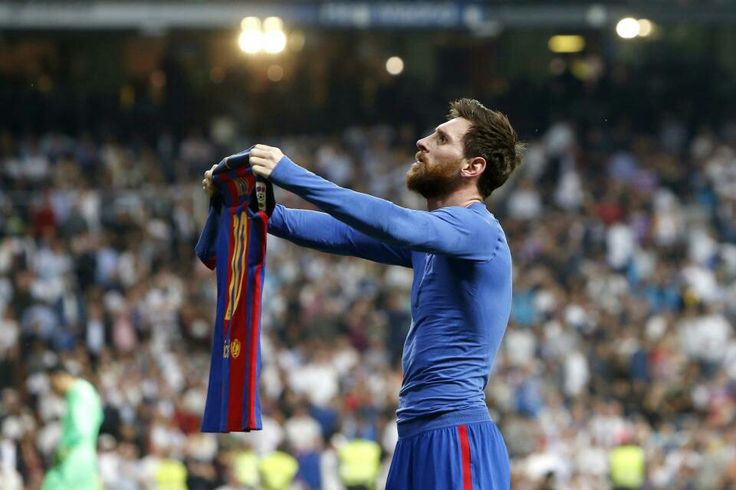
- On April 23, 2017, during the Spanish El Clásico at the Santiago Bernabéu Stadium in Madrid, Messi scored a stoppage-time winner to secure victory for Barcelona, celebrated by holding up his shirt, and marked his 500th goal for the club.
Quote
- The real measure of your wealth is how much you’d be worth if you lost all your money.