为何中国足球屡战屡败?真正的问题在于制度性的“反足球文化”

中国足球的失败,不是因为个别球员不争气,也不仅仅是因为腐败或战术层面的短板,而是源于一个更深层次、制度性的问题:整个社会环境与足球运动之间存在着根本性的不兼容。我们可以称之为一种“反足球文化”——它不是不喜欢足球,而是从根本上不具备孕育足球成功的土壤和机制。

一、足球人口基数,不是表面数字的问题

人们常说中国有14亿人口,为什么选不出11个会踢球的?这是典型的数字幻觉。真正的“足球人口”,不是拿足球踢过两脚的人,而是在系统支持下、长年累月、从小到大接受过科学训练并持续参与竞技的人群。
• 校园不开放,课余没空间:怕孩子受伤、怕老师担责、怕学校担风险,足球成了校外兴趣班的奢侈项目。
• 家庭不支持:家长从小教育孩子“踢球没前途”,即便喜欢,也最终妥协于升学压力。
• 社会无氛围:工作压力大、场地少、费用高,成年人即便热爱足球,也无从参与。这不是不爱踢球,而是无法踢球。

所以,看似“人人都说爱足球”,但能系统参与的孩子,可能连一个中等欧洲小国都不如。

二、踢球是“豪赌”,而非“选择”

相比日本、阿根廷,甚至伊拉克这三个国情各异的国家,中国孩子想成为职业球员的代价更高、回报更不确定。
• 在日本,足球已经成为一个高度制度化、社会认同的体育路径,青训系统完善,即便没踢出来,也能通过教育系统顺利转型。家庭和社会对体育参与有稳定的支持。
• 阿根廷虽然经济常年低迷,但足球早已深植于国民文化之中,街头球场遍布,天赋与热情反哺整个职业体系。
• 即使是如伊拉克这样长期处于战乱的国家,也依靠强烈的民族情感和草根体系,源源不断地产生有战斗力的国家队成员。

反观中国,踢足球不仅没有保障,还意味着放弃主流升学路径、承担高昂成本,且失败的代价更大。这就使得足球不再是“值得尝试”的职业选项,而是社会结构性筛选下的少数“豪赌”。

三、现有体制内的球员,其实是“幸运的悲剧”

中国国家队的球员,某种程度上是“千军万马中杀出重围”的幸运者。但他们也因此承担了整个失败体制的“背锅”角色。
• 他们是少数能“踢出来”的人,却要承担全部失败的责任。
• 他们已经是“能被这个体制选出来的最好的”,却仍然无法对抗结构性的失败。
• 他们的职业生涯,不仅要面对对手,还要面对失望、愤怒、讽刺和嘲笑。

这是一种悲哀:他们代表的是整个系统能力的极限,也见证着这个极限的荒谬。

四、不是“没有资源”,而是“资源分配错误”

中国并非没有资金、没有政策,但资源投放严重偏离足球的“成长逻辑”:
• 足球官员以政绩为导向,追求短期成绩,而非十年耕耘。
• 地方投入集中在形象工程:建场地容易,运营场地难。
• 职业俱乐部高薪养废、靠资本炒作,青训体系却缺乏稳定支持。

当功利、短视和形式主义主导足球发展,人才培养自然被压缩成最窄的一条通道。

五、深层结构性问题:制度性“反足球文化”

从根本上说,中国足球的问题不是战术问题、技术问题,而是一种不支持自由生长、自由试错的制度文化:
• 足球是一项充满不确定性和创造力的运动,需要鼓励“犯错”、包容失败。
• 而我们熟悉的体制和教育系统,更强调标准答案、可控路径和惩罚机制。
• 足球要靠草根自下而上的热情与参与,但中国的资源与注意力几乎全部集中于金字塔顶端。

所以,并不是“我们不行”,而是我们的方法和路径就不是为足球而设计的。

结语:真正的出路,不是喊口号,而是系统改革

真正想振兴中国足球,不能靠“打一场翻身仗”,而是要从根本上调整社会对足球的理解和支持结构:
1. 解放校园足球,让孩子自由奔跑,不要用考试去衡量一切;
2. 建立平民化青训机制,减少家庭经济负担,让更多人有机会尝试;
3. 为失败提供退路,足球不是只有踢成职业才是成功;
4. 建立真实的足球文化土壤,让“爱踢球”不再是需要成本和勇气的事情。

只有当足球成为一件“自然发生的事”,而不是“需要拼命争取的机会”,中国足球才有可能真正站起来。


图片

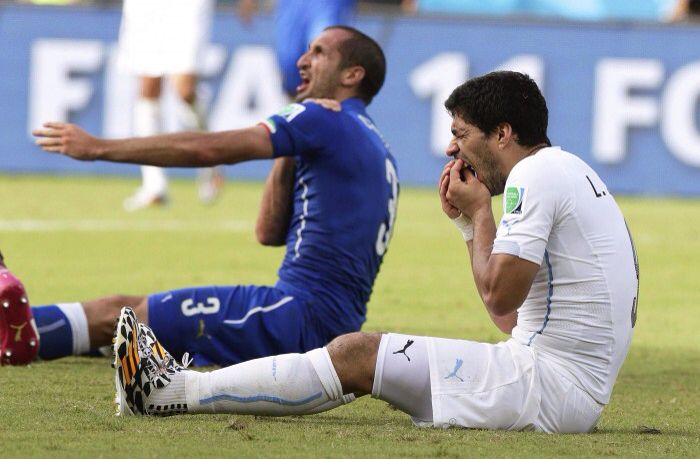
Suárez bit Chiellini, 2014

  • 2014年巴西世界杯小组赛乌拉圭对意大利的比赛中,乌拉圭球员路易斯·苏亚雷斯咬到了意大利球员乔尔乔·基耶利尼的肩膀。

名言

  • You do not rise to the level of your goals. You fall to the level of your systems.
  • 你不会达到你目标的高度,而是会降到你系统的水平。

Let’s See You Do Better! — A Full Guide to Classic Logical Fallacies on Football Forums

I used to watch debate competitions back in the day, and I realized that the point wasn’t always to arrive at the “truth.” More often, it was about sharpening your thinking, getting better at spotting flawed logic, and maybe stumbling upon ideas worth reflecting on after the debate ends. The real value lay not in the conclusion, but in the clash of ideas.

Unfortunately, whether it’s in formal debates or rowdy football forums, many so-called “mic drop” moments aren’t built on solid logic, but rather on quick wit and verbal gymnastics. They might win the crowd, but they’re riddled with fallacies. So today, let’s bring some of that slick forum banter into the light—and dissect the most common logical fallacies you’ll see on sports forums.


1. “Let’s See You Do Better!” – The Credential Fallacy

Typical lines:

  • “You don’t even have a C-level coaching license. Who are you to criticize Guardiola?”
  • “You just sit at home watching games. What do you know about tactics?”

Logical issue:
This is a classic ad hominem—attacking the person instead of addressing their argument. By dismissing someone’s opinion based on their credentials (or lack thereof), it dodges the real topic. If only certified coaches were allowed to discuss football, forums would be ghost towns.


2. “Either You’re With Us or Against Us!” – The Black-and-White Fallacy

Typical lines:

  • “If you think Mbappé played poorly today, you’re saying he’s overrated.”
  • “If you don’t support VAR, then you must be fine with bad calls.”

Logical issue:
This is a false dichotomy. The real world isn’t binary. You can think Mbappé had a bad game and still rate him highly. You can criticize VAR implementation without rejecting technology in football.


3. “Have a Heart!” – Emotional Blackmail

Typical lines:

  • “He’s only 18, how can you criticize him?”
  • “His wife just had a baby. Cut him some slack!”

Logical issue:
This is an appeal to emotion. While empathy is important, it shouldn’t replace rational analysis. Facts don’t disappear just because someone’s in a tough spot.


4. “But He’s Such a Good Person!” – The Red Herring

Typical lines:

  • “You say he can’t finish? He donates more to charity than any other player!”
  • “With his character, we shouldn’t be blaming him for a poor season.”

Logical issue:
This is a red herring—diverting attention from the topic. Being kind off the pitch doesn’t mean you’re immune to criticism on it. Character and performance aren’t mutually exclusive.


5. “So You’re Saying He’s Trash?” – The Straw Man

Typical lines:

  • “You said he can’t defend, so you’re saying he doesn’t deserve to be on the national team?”
  • “You questioned that penalty call, so you support foul play?”

Logical issue:
This is the straw man fallacy—misrepresenting someone’s argument to make it easier to attack. It feels like a win, but it’s just punching a fake opponent.


6. “Everyone’s Out to Get Us!” – The Conspiracy Theory

Typical lines:

  • “The ref was obviously paid off.”
  • “FIFA just doesn’t want us in the semi-finals.”

Logical issue:
This is conspiracy thinking—asserting shady motives without evidence. Yes, unfair calls happen. But assuming a global agenda against your team is a stretch.


7. “Everyone I Know Agrees” – Small Sample Fallacy

Typical lines:

  • “No one around me supports Real Madrid anymore. They’re clearly losing fans.”
  • “Everyone in my group chat says Ronaldo’s done. He should retire.”

Logical issue:
This is hasty generalization. Your local echo chamber doesn’t represent global opinion. Anecdotes aren’t statistics.


8. “Don’t Confuse Me with Facts!” – Confirmation Bias

Typical lines:

  • “I don’t care! I like him no matter what!”
  • “You can show me all the stats you want—I trust my eyes!”

Logical issue:
This is confirmation bias—cherry-picking info that fits your view and ignoring the rest. It’s not analysis, it’s emotional fandom.


9. “Once a Diver, Always a Diver” – The Fixed Timeline Fallacy

Typical lines:

  • “He faked injuries before, so he’s still doing it.”
  • “He sucked last season. Don’t expect anything this year either.”

Logical issue:
This assumes people can’t change—denying the possibility of growth or recovery. Players evolve. Form is temporary, after all.


10. “That One Time Proves Everything” – Overgeneralization

Typical lines:

  • “Messi didn’t console his opponent that one time—he’s got no sportsmanship.”
  • “Ronaldo cursed at a ref once. Terrible person.”

Logical issue:
This is overgeneralization. One-off incidents don’t define an entire character or career. Everyone has bad days.


So, Why Bother Debating at All?

Let’s go back to where we started: real debates aren’t about winning—they’re about exchanging ideas, testing logic, and expanding perspectives.

But in practice, most forum fights are just performance—logic shortcuts, emotional outbursts, and shouting matches disguised as discussions.

Football forums could be places of deeper thought, not just verbal brawls. Let’s aim for arguments that are thoughtful, not just loud; points that make people think, not just clap. That’s what true debate should be about.


Picture

Neymar's diving, 2018

  • In the 2018 World Cup group match between Brazil and Switzerland, Neymar drew controversy for his exaggerated falls.

Quote

  • The aim of argument, or of discussion, should not be victory, but progress.

你行你上?别闹了——球迷论坛里的那些经典逻辑谬论全图鉴

想起以前看辩论赛的时候,有时候辩论的目的并不是为了辩出真理,而是在锻炼思维的灵活性。当时的结论其实并不重要,真正让人受益的,是过程中碰撞出的各种观点,是否值得观众在赛后继续思考与讨论。
但遗憾的是,无论是正式辩论还是球迷论坛,许多所谓“妙语连珠”的胜利,并不基于逻辑,而是图一时嘴快的小聪明。看似赢了辩论,实则漏洞百出。今天,我们就来梳理一下球迷论坛中最常见的逻辑谬误,把“耍嘴皮子”这事儿摆到阳光下好好晒一晒。

一、你行你上型:资格论的荒谬逻辑

代表言论:
“你连C级教练证都没有,有什么资格评价瓜迪奥拉?”
“你一个在家看球的,懂啥逼战术?”

逻辑问题:
这是典型的诉诸资格(Ad Hominem)。企图通过否定发言者的“身份”来否定其观点的合理性。试问,如果非得拿教练证才能讨论战术,那论坛岂不是要关门大吉?

二、二极管型:非黑即白的世界观

代表言论:
“你说姆巴佩这场踢得不行,就是在否定他整个职业生涯!”
“你要是不支持VAR,那你就是支持误判!”

逻辑问题:
这是非黑即白谬误(False Dichotomy)。现实世界远比二元逻辑复杂得多。可以承认姆巴佩这场不行,也承认他整体出色;可以质疑VAR的执行方式,但支持技术介入的方向。

三、圣母思维型:情绪道德绑架

代表言论:
“他才18岁,你凭什么骂他?”
“人家老婆刚生孩子,你就不能宽容点?”

逻辑问题:
这是诉诸情感(Appeal to Emotion)。道德感并不能取代分析力。情绪可以理解,但不能遮蔽事实。

四、说东扯西型:用德行掩盖球技

代表言论:
“你说他射门不行?他可是慈善捐款最多的球员。”
“人品这么好,哪怕不进球也不能骂他。”

逻辑问题:
这是转移话题(Red Herring)。你可以是道德模范,也可以状态低迷,这两者并不矛盾。

五、歪曲事实型:稻草人大战

代表言论:
“你说他防守差,那你就是在说他不配国家队。”
“你质疑这球是点球,就是在支持暴力犯规。”

逻辑问题:
这是稻草人谬误(Straw Man)。把对方观点极端化,然后打倒那个“假设的对方”,过程激烈,结论虚空。

六、被害妄想型:全世界都在针对我们

代表言论:
“裁判收钱了。”
“FIFA不想让我们进四强。”

逻辑问题:
这就是阴谋论思维,以无证据推论为基础,用情绪主导因果。偶发的不公,不代表系统性针对。

七、井底之蛙型:“我即全世界”

代表言论:
“我周围没人支持皇马,说明皇马不火了。”
“我们社区都说C罗老了,说明他该退役。”

逻辑问题:
这是以偏概全(Hasty Generalization)。你所在的小圈子不是世界中心,你的朋友圈也不代表舆情样本。

八、装聋作哑型:只信自己想信的

代表言论:
“我不听!他踢得好我就是喜欢!”
“你数据再多我也不认,我眼睛看得最真!”

逻辑问题:
这是确认偏误(Confirmation Bias)。不愿接受反面信息,只挑选支持己方的材料。不是思考,是沉浸式自恋。

九、恒定不变型:历史决定一切

代表言论:
“他以前就爱假摔,现在也一样。”
“上赛季踢得烂,今年也别指望。”

逻辑问题:
这是时间静止谬误。人会成长,状态会变化。不承认变化,是对现实的回避。

十、举例扭曲型:偶发即真理

代表言论:
“梅西当年没安慰对手,说明他心胸狭窄。”
“C罗有次骂裁判,说明他人品烂。”

逻辑问题:
这是过度推论(Overgeneralization)。以个案概括整体,忽视上下文。人非圣贤,一次失误不能定义一生。

尾声:我们为什么还要继续辩论?

回到文章开头那句话——辩论的真正价值,不在于赢,而在于过程中的思想发散、价值碰撞与逻辑检验。
可惜在现实中,许多争论不过是自我炫技、逻辑短路、情绪表演。

论坛里的争论原本可以是更深刻的讨论,而不是一场场“看谁嗓门大”的无效输出。我们不该满足于“赢了嘴仗”,而要追求说得有理,说得动人,说得值得人思考。这,才是辩论与讨论的真正意义。


图片

Neymar's diving, 2018

  • 2018年世界杯巴西对阵瑞士的小组赛,内马尔因多次夸张倒地引发争议。

名言

  • The aim of argument, or of discussion, should not be victory, but progress.
  • 争论或讨论的目的,不应是胜利,而应是进步。

Wang Yangming's Philosophy of the Mind: Cultivating a Bright Heart, Walking a Clear Path in Life

In life, the hardest thing is to truly know yourself. The second hardest? To firmly stay true to yourself. Wang Yangming, through a life of trials and reflection, left us with a guiding philosophy for both—what he called the learning of the mind (xin xue).

He said:
“The mind is principle itself.”
“Unity of knowledge and action.”
“Extend innate knowing.”

These are not obscure terms meant only for philosophers. They are three simple truths that any ordinary person can use to navigate life and emerge from confusion.


I. “The Mind Is Principle” — Truth Is Not External, But Within You

We often believe that truth must be sought outside: in books, from sages, or from fate itself. But Wang Yangming said, “The mind is principle.”

What does that mean? It means you already know, deep down, what is right and what is wrong. You feel anger when faced with injustice, and warmth when witnessing kindness—that is principle. It is not locked away in temples or scrolls, but alive in your heart.

This is an incredibly comforting idea:
You don’t need to become some “ideal person.”
You only need to return inward and see clearly the bright and upright self that’s already there.

Your heart already knows the way.


II. “Unity of Knowledge and Action” — Knowing Is Doing

Many people understand a lot of principles, yet still live unfulfilled lives. Why? Because knowing alone is not enough.

Wang Yangming tells us, “To know but not to act is not truly to know.”

It’s like this:
You know honesty is good, yet still lie.
You know health matters, but still stay up late.
Then you don’t really know it.

True knowledge is action made flesh.
Knowing and doing are not two things—they are one.

This isn’t about perfection. It’s a reminder that every small act is part of true cultivation.


III. “Extend Innate Knowing” — Listen to the Gentle Yet Firm Voice Within

Innate knowing is your most authentic inner compass. It’s the voice that gently rebukes you when you’ve done wrong, and quietly rejoices when you’ve done right.

To “extend innate knowing” is to continually live as the person your heart already knows you should be.

You don’t need to compare yourself to others or meet their expectations. Just ask yourself:
“Is this the right thing in my heart?”
Not what benefits you.
Not what others think is right.
But what brings you peace.

To extend innate knowing is to spend your life walking toward your most genuine self.


IV. “There Is Nothing Beyond the Mind” — The World Is a Reflection of the Heart

Wang Yangming also said: “There is nothing in the world outside the mind; there is no principle outside the mind.”

The chaos of the world is often a projection of the chaos within.
You feel restless because your heart is unsettled.
You feel fear because your heart is unanchored.

But when your mind is clear, the world becomes gentle.

We can’t control the storms—but we can train the hand that steers the boat.
No matter how loud the world becomes, you can stand like a lotus in the mud—untouched—because you know:
Real strength comes from within.


V. The Philosophy of Wang Yangming: The Best Path of Cultivation in Life

Wang Yangming was not an armchair scholar. He was a man who endured exile, war, and failure. His philosophy wasn’t born from theory, but from life itself.

When you hit a low point in life, remember these three phrases:

  • “The mind is principle”: Trust your inner judgment—no need to seek outside.
  • “Unity of knowledge and action”: Don’t stop at knowing—let your actions shape your life.
  • “Extend innate knowing”: Live with integrity, and your heart will be at peace.

True cultivation is not about escaping the world, but slowly polishing your heart through everyday life.


Conclusion

The world may be vast, but the greatest challenge is still mastering your own heart.
The path may be long, but it begins with each small moment of knowing and doing.

May the wisdom of Wang Yangming help you rediscover your truest self,
and walk steadfast toward a life of clarity and light.

Picture

Why Always Me ?

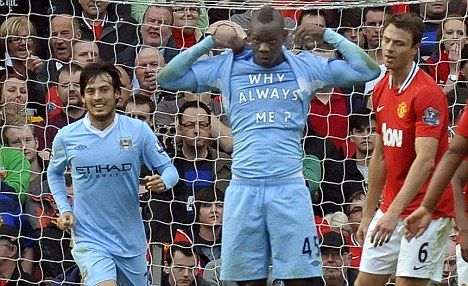
  • On October 23, 2011, during a Premier League match between Manchester United and Manchester City, Mario Balotelli lifted his jersey after scoring to reveal the message “Why Always Me?”, mocking the media’s constant focus on his controversies and creating an iconic celebration.

Quote

  • Know thyself.

王阳明心学:修一颗明亮的心,走一条清澈的人生路

人生在世,最难的是认清自己,其次,是坚定地做自己。王阳明用一生的实践,为我们留下了这两件事的“心法”——那便是他历经磨难之后总结出的心学。

王阳明说:“心即理”,“知行合一”,“致良知”。

这不是哲学书上的晦涩术语,而是每一个普通人都可以用来指引生活、走出迷茫的三句话。

一、“心即理”——真理不在外,而在你的内心

我们总觉得,世上的道理需要外求,要去读圣贤书,要听大师讲,要等命运安排。但王阳明说:“心即理也。”

什么意思?就是你本来就知道什么是对,什么是错。你遇到不公会愤怒,看到善良会感动,这就是“理”——它不在庙堂,也不在书卷,而在你心里。

这是一种非常温暖的认知:你不需要成为某种“理想的人”,你只需要回到内心,照见那个明亮而正直的自己。

你的内心,原本就知道路在哪里。

二、“知行合一”——知道了,就该去做

很多人懂很多道理,却依然过不好这一生。为什么?因为知道,不等于做到。

王阳明告诉我们,“知而不行,谓之不知。”

就像你知道诚实是好事,却依然撒谎;你知道健康重要,却仍然熬夜——那你其实并没有“真正地知道”。

真正的“知”,是融进血肉的“行”。
知和行,应该是一件事,而不是两件事。

这并不是要你完美,而是提醒我们:每一个微小的行动,才是真正的修行。

三、“致良知”——听从那个温柔而坚定的声音

“良知”是你内心最本真的判断力,是那个在你做错事时轻轻责备你、在你做对事时默默欣慰你的声音。

致良知,就是不断地活出那个你心中本来就知道应该成为什么样的人。

你不用和别人比,也不用迎合他人期待。只要一件事:问问你自己,这件事是不是“我心中的对”。不是利益的对,不是舆论的对,而是那个让你心安的对。

致良知,就是用一生去靠近那个“最本真的自己”。

四、“心外无物”——世界不是外在的风景,而是你内心的映照

王阳明还说:“天下无心外之物,亦无心外之理。”

外界的纷扰,其实都是我们内心的投射。你烦躁,是因为内心混乱;你恐惧,是因为内心无根。

当你的心清明了,这个世界也就温柔了。

我们无法控制风浪,但我们可以修炼掌舵的手。外界再喧哗,你也可以如莲般独立——因为你知道,真正的力量,来自你的内心。

五、阳明心学,是人生最好的修行之道

王阳明不是书斋中的学者,他是一个经历过流放、战争、失败的人。他的心学不是纸上谈兵,而是人生打磨出来的智慧。

当你人生低谷,不妨记住这三句话:
• “心即理”:相信自己内心的判断,不用外求。
• “知行合一”:别停在“知道”,让行动为你的人生负责。
• “致良知”:活得光明磊落,才能内心坦然。

真正的修行,不是远离尘世,而是在日常生活中一点一点磨亮那颗心。

结语:

世界再大,最难不过修一颗心。
路再远,也要从每一次小小的“知道并做到”开始。

愿你在阳明心学的智慧中,找回那个本真的自己,坚定地走向心中光明的人生。


图片

Why Always Me ?

  • 2011年10月23日,在曼联对阵曼城的英超比赛中,巴洛特利进球后掀起球衣,露出“Why Always Me?”字样,嘲讽外界频繁关注他的负面新闻,成为经典庆祝动作。

名言

  • Know thyself.
  • 认识你自己。

The World Is a Giant Probability System

Almost every decision and outcome in our lives is not determined by certainty, but by probability. From the tiniest personal choices to sweeping societal shifts, what happens is rarely absolute—rather, it’s governed by likelihoods. Success, failure, and everything in between can often be traced back to how we navigate and interact with probabilities.


Individual Success Doesn’t Prove Systemic Superiority

In the fields of technological innovation, scientific breakthroughs, or business achievements, we often see certain standout successes being interpreted as signs of systemic excellence. But from a probabilistic perspective, these are often “low-frequency, high-visibility” events. In other words:

Even if a system is inefficient or lacks supportive mechanisms, a remarkable success can still occasionally emerge—just by chance.

This doesn’t indicate a superior system; it’s simply the natural variance of probability. Just like a flawed garden can still produce a beautiful flower, a breakthrough may appear in a suboptimal environment. Respecting such achievements is valid—but using them as evidence of broad systemic advancement is analytically weak. A more rational approach would consider how often these successes occur, whether they are replicable, and how the talent pipeline functions.


Everyday Decisions Are Also Probabilistic

Even the decision to leave your house today involves probability. You know there’s a tiny chance you might get into an accident, but you also know there’s a much higher chance you’ll earn a living, meet people, or pursue opportunities. You’re not seeking perfect safety—you’re balancing:

  • High-probability gains (work, experience, connection)
  • Against low-probability risks (accidents or rare events)

Humans have survived and thrived not because we avoid all risk, but because we intuitively weigh risks and rewards, and move forward despite uncertainty.


Filtering Mechanisms: Using Probability to Enhance Efficiency

In hiring, admissions, or investment selection, people often set thresholds—such as academic qualifications, experience levels, or track records. While this may seem exclusionary, it’s actually a method of probabilistic optimization. For example:

Statistical patterns suggest that candidates with certain backgrounds are more likely to meet performance expectations.

It doesn’t mean others are incapable—just that the chance of success is higher within that filtered group. Given limited time and resources, decision-makers accept the risk of overlooking some exceptional individuals in order to maximize efficiency. Like an algorithmic news feed that might miss gems but still improves overall relevance, these filters are imperfect, but pragmatic.


Investment and Risk: It’s All About Probabilistic Balance

The saying “high risk, high return” is well known—but it’s only part of the truth. What really matters is the probability of achieving that high return. Many people see others get rich from speculative ventures and jump in, forgetting that:

Most of those stories are survivor bias—we see the winners, but not the countless losers.

Understanding probability in investing means:

  • Diversifying and controlling position sizes
  • Accepting failure as part of the game
  • Playing a long-term, multi-round strategy

The most dangerous investors are those who confuse luck with strategy. Rational ones treat every opportunity as a probability event, not a guarantee.


The Danger of Extrapolating from Extremes

Probability thinking is often undermined by our emotional attraction to extreme events. We love stories of dramatic success or failure and try to extract universal truths from them. But the truth is:

An extraordinary case—whether a wild success or tragic failure—doesn’t represent the whole picture.

Rational debate should rely on comprehensive data, large sample sizes, and understanding of context. Not on anecdotes or outliers. It’s intellectually lazy—and often misleading—to generalize from one data point, no matter how compelling the story.


Of Course, Sometimes Irrational Belief Has Its Place

It’s worth acknowledging that in certain scenarios, believing in the improbable can have emotional or motivational value. When someone is in a dark place, even a 1% chance can inspire hope. At the collective level, optimism—however unrealistic—can provide cohesion and momentum.

So yes, “irrational” belief has social utility. But it should be recognized for what it is: a short-term emotional tool, not a foundation for long-term planning or policymaking.


In Conclusion: Embracing Probability Is a Mark of Maturity

Those who understand probability are more accepting of uncertainty, more tolerant of failure, and less likely to swing between extremes of optimism and despair. They see success not as proof of destiny, and failure not as doom, but as part of a broader, probabilistic dance.

There are no certainties—only likelihoods, distributions, and statistical tendencies.

Strength doesn’t lie in denying randomness. It lies in understanding, navigating, and working with randomness.


Picture

Robin van Persie Volley, 2013

  • On April 22, 2013, at Old Trafford, Wayne Rooney delivered a precise long pass from midfield, and Robin van Persie met it with a stunning first-time volley to score. Manchester United eventually defeated Aston Villa 3-0 in that match, with Van Persie netting a hat-trick. This victory secured the Premier League title for the 2012–13 season — the final league championship of Sir Alex Ferguson’s managerial career at Manchester United.

Quote

  • The world is not governed by certainty, but by probability.

这个世界是一个巨大的概率系统

我们生活中的绝大多数选择与结果,并非由某种必然决定,而是源于概率驱动的过程。从微观个体的行动,到宏观社会的趋势,背后往往都是一套复杂的概率模型在起作用。无论是成功、失败,还是中间状态,我们面对的不是“是否会发生”,而是“发生的可能性有多大”。


个别成功,不能说明系统必然有效

在技术创新、科研突破、商业奇迹等领域,我们时常会看到某个令人瞩目的成就被迅速放大、赋予更多象征意义。但从概率角度看,这类事件往往属于“低频高亮”的结果,即:

某个系统即便不高效,或者资源配置不合理,也可能偶尔诞生令人惊叹的成果。

这并不代表整体系统的优越性或某种进化完成,而只是概率自然波动的体现。类似于一个氛围不佳的土壤中偶尔也能长出奇迹之花,它值得尊敬,但不能据此推导出整个土壤都适合耕种。真正理性的观察,应该关注这类成功的发生频率、环境复制性、人才生成机制等更全面的数据。


日常行为选择也是概率判断

即使是最日常的选择,比如你今天是否出门,也是一个概率问题。你知道出门可能遭遇意外事故,比如交通风险,但你也知道这个概率极低,而收益(工作、学习、社交)却是高频发生的。因此你接受了那个小概率的风险,换取高概率的生活回报。这种看似本能的行为,其实就是日常的概率决策模型。

人们做出决策时,往往并非追求绝对安全,而是在风险与收益之间寻求一个概率上的“可接受区域”。


筛选机制:以概率提高效率

在用人、择校、融资等环节,设置“门槛”其实是人类应对复杂世界的概率简化方式。比如设定某种学历、背景、经验等作为前置条件,本质上是:

基于历史统计规律,高概率认为某些背景的人选更符合所需标准。

这并不意味着其他人就没有能力,只是在人力有限、筛选成本高的现实中,我们必须接受少量概率误差,以换取更高筛选效率。这种做法的副作用是可能错过一些真正优秀但“非典型”的候选人。但正如自动推荐系统会错漏信息,我们仍愿意使用,是因为它在大样本下表现更优。


投资与风险:用概率权衡回报

在金融和投资中,“高风险高收益”这条原则已被无数次验证。但真正理解概率的人,会更冷静地看待这个问题:高收益确实存在,但对应的成功概率是极低的。

把投资行为当作概率博弈,意味着要:

  • 控制仓位,避免单次失败造成整体损失;
  • 接受失败的可能,甚至视其为常态;
  • 通过长期多次博弈,在整体上获得更优回报。

最危险的投资人,往往是那种看到别人“一战成名”就幻想自己能复制路径的人。他们忘了,这世上还有“幸存者偏差”——我们只看见成功者在台上,却没看见九十九个失败者倒在幕后。


愚蠢的,是以个例论全部

概率思维最大的敌人,是人类天生喜欢“故事化”的倾向。我们总是被极端事件吸引,并试图从中找出绝对的意义。但现实中,一个极端事件——不论是成功还是失败——都不具有普遍性。真正有价值的是大样本的统计数据,是整体分布的结构,是长期行为的趋势。

因此,以低概率的事件来证明“绝对不可能”,或以高概率的事件断言“必然发生”,都很容易陷入误判。理性的人,会说:

“可能性存在,只是概率很小。”

“成功的确可能,但不是常态。”


当然,有些时候精神胜利也有其意义

不可否认,在某些情境中,哪怕明知事件概率极低,人们仍愿意相信“有可能”。比如面对困境时的自我激励,比如集体情绪中的希望构建,这种带有盲目乐观成分的信念,反而能产生实际的心理支持与社会凝聚力。

从这个角度讲,“非理性”也并非一无是处。但我们应当清楚:它是短期鼓舞的工具,而不是长期决策的依据。


结语:尊重概率,是通向成熟的第一步

懂得概率的人,能容忍不确定,也能接受失败。他们不会因为一次挫折就全盘否定,也不会因一次幸运就盲目自大。他们知道这个世界的逻辑是复杂的,不是单向演进的线性,而是充满波动与回归的非线性系统。

真正强大的人,不是那些否定概率、不信命运的人,而是那些理解概率、运用概率、也接受概率带来偶然性的人


图片

Robin van Persie Volley, 2013

  • 2013年4月22日,在老特拉福德球场。鲁尼在中场送出一记精准长传,范佩西直接迎球凌空射门破门。这场比赛曼联最终以 3-0 战胜阿斯顿维拉,范佩西上演帽子戏法,并且凭此场比赛正式 锁定2012-13赛季英超冠军。这也是弗格森爵士执教曼联的最后一个英超冠军赛季。

名言

  • The world is not governed by certainty, but by probability.
  • 这个世界并不是由确定性支配的,而是由概率主导的。

The Corporate Zoo

In a tropical rainforest of technology, constructed from glass curtain walls and slogan banners, lived a group of peculiar creatures. They were known as “Efficiency Animals,” bred to generate virtual value for the “Vision Farm.” They had no names, only IDs: Developer Ape 101, Operations Goose 203, Design Fox 309, Data Bear 417…

Their daily ritual began at 9 a.m. and ended at midnight. They inhabited an ecosystem rich in “bullshit tasks,” where the greatest challenge wasn’t the work itself, but pretending to be “extremely busy.”

The zoo always championed “creativity,” but in a very local form: transforming once-inspired, intellectual labor into meticulously segmented, labor-intensive time blocks. Creative writing? It was broken into “polishing,” “templating,” “client-speak alignment,” “leader pre-review,” “secondary review,” and “review meeting summary.” Every step required a timestamp, screenshot, and submission before it could be closed. What once took two hours of genuine inspiration now stretched into a full week’s “burn down chart.”

The totem of this zoo? Overpopulation. Labor overflowed. Every year, millions of interns rushed into the zoo, chasing a meal stipend and a résumé adorned with a prestigious company logo. They traded cost-effectiveness for lunch and sold their time for KPIs.

Individuality was outlawed in the zoo. Smart with opinions? Dangerous. Quiet but capable? Not team-oriented. Only the obedient, submissive, and unquestioning survived. The management handbook explicitly stated: “Avoid expressing unnecessary thoughts,” lest you disrupt the team atmosphere and shake the foundations of the sacred “grind.”

Here, a popular evolutionary trait had emerged: the “high EQ, dead-eyed smile.” Animals learned to maintain a professional grin in meetings, nodding while their souls faded. They understood that recognition came not from competence, but from “emotional management,” relentless overtime, and the sacred art of silence.

At the top of the pyramid stood a different breed. These creatures seemed to possess freedom, privilege, and halos. But in the private shadows, many knew that reaching such heights required countless sacrifices of dignity and honesty. Hypocrisy was the passport; compromise was the gate. Many had once tried to hold their principles—until they were sidelined and isolated. Eventually, they too chose the path with the brightest prospects.

“We are the vanguard of innovation! The model workers of struggle!” roared the Tiger Leader at the year-end gala, his voice echoing through the zoo via a state-of-the-art sound system. “As long as you grind hard enough, the future is yours!”

Thunderous applause followed. The efficiency animals chanted slogans in unison, as if they had truly seen the gate to freedom. But more of them knew it was just a display board reading “Hard work changes destiny,” behind which stood a wall of reinforced concrete.

One day, a newly arrived intern Chimpanzee timidly asked, “Why are we always doing such meaningless tasks?” A Squirrel colleague whispered back, “These aren’t tasks. They’re rituals of faith.”

The intern fell silent. He began to work overtime, obey orders, smile, and quickly read the room in meetings. Soon, he was fully assimilated, seamlessly integrated into the system.

But one late night, under the cold lights of the zoo, an old HR Chimpanzee—ID 000—was leaning on the rooftop, puffing on an e-cigarette. He had been among the zoo’s earliest inhabitants. Now, he was tasked with “onboarding welcome speeches.” He said, “Back then, I wanted to change the world. But the world changed me. Now, I teach young animals how to play dumb.”

He pointed toward a distant building draped with a “Tech for Good” banner and said, “See that? Every floor has lights on. They’re grinding through the night, thinking freedom waits at the top. But the rooftop’s already crowded—with people smiling, who’ve long stopped climbing or even looking down.”

“What will you do then?” the intern asked softly.

The old chimp smiled and bit into a cold steamed bun. “Wait for retirement, I guess. What else is there? Our kind—waking up won’t save us.”

At 5 a.m., the zoo’s speakers blared once more: “A new day begins—may your dreams carry you forward and your feet stay grounded.” The animals rubbed their eyes and shuffled back into their cubicles, chasing a future that never arrived.

There was no zoo. The entire society was a nationwide examination room in ecological disguise. Only the disobedient ones—the ones who still dared to think—ever noticed they were caged.

Picture
Manchester_City_Superstar_Policy

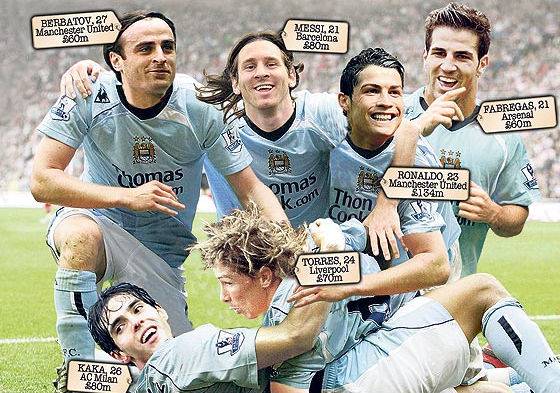
  • On September 1, 2008, after Manchester City was acquired by the Abu Dhabi United Group, the club began making high-profile signings and implemented a strategy to build a world-class team.

Quote

  • The price of fitting in is the death of the self.
大厂动物园

在一座由玻璃幕墙和标语横幅构建的科技热带雨林中,生活着一群奇妙的生物。他们被统称为“效率动物”,专门为“愿景农场”生产虚拟价值。他们没有名字,只有编号:开发猿101,运营鹅203,设计狐309,数据熊417……

这些动物的每日仪式从早上9点开始,一直到晚上12点。他们生活在一个盛产“狗屁任务”的生态系统中,每天最艰难的挑战不是工作本身,而是装作“我很有事”。

园方向来推崇“创造性”,但有一种极具本地特色的创造性:把原本需要灵感与脑力的工作,精细分解成劳动密集型工时任务。创意写作?分成“润色”“套模板”“客户话术对齐”“领导预审”“二次复审”“复审会议总结”六个步骤,每步打卡、截图、回传,方可结项。于是,原本两小时能完成的灵感火花,硬生生拉成一周的“燃尽图”。

而最具代表性的精神图腾,就是“人多”。劳动力供应过剩,每年都有数百万只实习生争先恐后冲入动物园,为了那张价值数千元的饭票与“来头很大”的公司LOGO。他们用性价比换饭吃,用命换绩效。

在园区里,个性是非法的。聪明但有主见?危险。安静但能干?不合群。只有听话、服从、不反问才能留下来。管理章程明文规定:“不建议表达不必要的思考”,否则会打破团队氛围,动摇卷的根基。

这里流行一种进化策略,被称为“高情商皮笑肉不笑形态”。动物们学会了在会议中露出职业微笑,边点头边心如死水。他们明白,真正被认可的不是能力,而是那种“不表达情绪、能反复加班、表情管理到位”的“职业素养”。

金字塔顶端的那些动物,是另一个物种。他们似乎拥有特权、自由和光环,但在私下的暗影角落,许多动物都知道:要到达那高度,需要无数次地放弃尊严与诚实。虚伪是通行证,妥协是通道口。他们曾也想坚持原则,但每一次坚持都带来排挤与冷板凳,最后,他们也选择了那条最有“前途”的路。

“我们是创新的使者,是奋斗的楷模。”领导虎在年终盛会上咆哮,声音通过音响系统回荡在园区上空,“只要你卷得够深,未来就属于你!”

掌声雷动,效率动物们齐声高呼口号,仿佛真看到了通往自由的那扇门。然而更多的动物知道,那不过是一块印着“奋斗改变命运”的展板,后面是厚厚的水泥墙。

有一天,一只新来的实习猩悄悄发出疑问:“我们为什么总做些没意义的事?”同事松鼠小声回道:“这些不是工作,是信仰的仪式。”

于是,实习猩沉默了。他开始加班、听话、微笑,并学会了在会议中快速识别风向。他终于也成为了园区的一员,被同化得无比自然。

但某个深夜,在园区清冷的灯光下,老猩人力编号000正靠在天台抽着电子烟。他曾是这园区最早的一批动物之一,眼下却被安排做“入职欢迎官”。他说:“我年轻时也想改变世界,后来世界改了我。现在我教年轻动物怎么装傻。”

他指了指远处那座挂着“科技向善”横幅的大楼,说道:“看,那栋楼每层都亮着灯,他们都在拼命加班,以为爬上去就自由了。可楼顶上早站满了笑着的人,他们已经学会了不下楼,也不往下看。”

“你打算怎么办?”实习猩小声问。

老猩笑了笑,咬了口冷掉的包子:“等退休咯,要不还能怎么办?咱们这物种,觉醒了也没用。”

清晨五点,园区广播再次响起:“新的一天开始了,愿你怀揣梦想,脚踏实地。”动物们揉着眼睛再次走进办公笼,继续追逐那永远看不见的未来。

哪有什么动物园,整个社会就是个生态级考场。只有那些不够听话、还会思考的动物,才会意识到自己被关在里面。


图片

曼城巨星政策

  • 2008年9月1日,曼城被阿布扎比财团(Abu Dhabi United Group)收购之后,开始大手笔引援,签下世界级球星、打造顶级球队的战略。

名言

  • The price of fitting in is the death of the self.
  • 融入的代价,是自我的死亡。

Why Do We Always Miss the Past? — On Memory, Time, and the Psychology of Self

I. Introduction: The Paradox of Nostalgia

The human brain has a curious tendency: at an age when we should be looking forward, we often find ourselves looking back. People in their twenties and thirties frequently say, “Those were the good times,” even if those times weren’t perfect.

This nostalgia isn’t a random emotion—it’s a complex psychological phenomenon involving memory mechanisms, identity construction, time perception, and existential anxiety. Understanding this process offers not only a clearer view of ourselves but also a deeper glimpse into what it means to be human.


II. How the Brain Processes Time and Memory

1. Memory Is Reconstructed, Not Recorded

  • Neuroscience confirms that memory is not a perfect recording system. Instead, every act of recall is a reconstruction, influenced by our current emotions, needs, and mental state.
  • This allows the brain to emotionally process and reshape memories—especially when the present is stressful or unsatisfying, the past is reimagined as a “safe haven.”

2. The “Reminiscence Bump” and Youth Memory Bias

  • Studies show that the most vivid and frequently recalled memories cluster around the ages of 15 to 25, known as the reminiscence bump.
  • During this period, the brain is most active in learning and emotional encoding, forming strong impressions through a series of “firsts”: first love, graduation, failure, dreams—all of which shape personal identity.

III. The Psychological Functions of Nostalgia: Emotion and Identity

1. A Tool for Emotional Regulation

  • When life feels uncertain—such as during early adulthood transitions—nostalgia activates automatically to restore emotional balance.
  • Research shows that people who feel socially excluded or overwhelmed tend to become nostalgic as a way to reconnect with a sense of belonging and self-worth.

2. Building a Coherent Sense of Self

  • Humans don’t merely live in the present—we structure life through a sense of temporal continuity. Nostalgia affirms the narrative that “I am still me, shaped by what I’ve been.”
  • Philosopher Charles Taylor refers to this as narrative identity: we make sense of who we are by telling the story of our past.

IV. Nostalgia and the Awareness of Time

1. Humans Are the Only Beings That Reflect on Time

  • Unlike animals, humans possess future projection and past reflection, creating a tension between memory and anticipation.
  • Nostalgia arises from this tension. When the future feels uncertain or disappointing, the past becomes a source of stability and emotional refuge.

2. A Response to Existential Loss

  • Nostalgia is not just about longing for happy times—it reflects an awareness of irreversible change: youth fades, relationships shift, possibilities narrow.
  • This is a form of temporal melancholy—a grief for what can never return.
  • Thus, nostalgia becomes a way to affirm the meaning and coherence of our existence, a quiet resistance to the void of meaninglessness.

V. A Philosophical View: How to Remember Without Escaping

Nostalgia is evidence of our humanity. But when indulged too often, it becomes a refuge from growth. True maturity lies not in avoiding memory, but in carrying it forward with us into the future.

As novelist Haruki Murakami once wrote:

“It’s not the nostalgia that hurts—it’s the realization that the person we were back then is no longer reachable.”


VI. Conclusion: Nostalgia as a Gentle Resistance to Time

We long for the past not because we are weak, but because in the face of complexity and chaos, we seek emotional continuity. Nostalgia reminds us that:

We were here. We loved. We lived. And we are still becoming whole.


Picture

Zlatan Ibrahimović Bicycle Kick, 2012

  • On November 14, 2012, during a friendly match against England in Stockholm, Zlatan Ibrahimović scored his fourth goal of the night with an astonishing 30-yard overhead kick.

Quote

  • To live is the rarest thing in the world. Most people exist, that is all.