定义不一致,争论的隐形陷阱

在现代社会的公共讨论中,观点冲突似乎无处不在。无论是网络争议、学术辩论,还是生活中的意见分歧,人们常常陷入激烈争论而无法达成共识。表面上看,这是“观点不一致”的体现;但深入剖析,我们会发现:许多看似对立的争论,其根源并非观点的本质差异,而是对关键概念的“定义不一致”。

一、定义是思维的基石

在一切逻辑推理中,定义都是最基本的前提。一个概念如果没有被清晰界定,其在推理过程中的指代就会变得模糊不清,从而导致整个论证体系的崩溃。亚里士多德在《工具论》中指出,科学讨论应从“确定定义”开始。若连“我们在说什么”都不能达成一致,又如何“同意或不同意”?

例如,当人们争论“教育的意义”时,若甲方理解教育为“传授知识”,而乙方认为教育是“培养人格”,他们就会在“教育应注重成绩还是品德”的问题上产生激烈分歧。然而,如果双方在争论开始前就意识到各自对“教育”的定义不同,很多分歧将不攻自破,或者转变为更具体的层面。

二、定义不一致导致逻辑错位

定义不一致直接破坏论证的有效性。逻辑链条中,若前提中所用的概念A与结论中所用的“同名概念”A’所指不同,这种推理即构成“概念混淆谬误”(equivocation fallacy)。这是逻辑学中最常见但也最不易察觉的错误之一。

举例而言,假设某人主张“自由是社会的基础,因此政府不应限制任何人的行为”,而另一人反驳说“如果自由等于无政府状态,那只会导致混乱”。问题在于,这两人所说的“自由”并非同一概念:前者可能指的是“个人权利不被任意剥夺”,而后者理解为“行为无约束的状态”。若不澄清定义,这场争论永远无法产生交集。

三、社会语境中的定义漂移

在社会语境中,词语的定义常常随着群体、意识形态或语境的不同而发生“漂移”。比如,“公平”在市场自由主义者眼中,意味着“规则一致,不干预结果”;而在社会正义支持者那里,则意味着“结果合理,机会补偿”。两者都在谈“公平”,但实则南辕北辙。

这种定义漂移使得社会讨论极易陷入“各说各话”。每一方都以为自己占据道义制高点,而实际上是对同一词汇套上了不同的语义框架。因此,在缺乏语义澄清的条件下,公共讨论往往呈现出“意见极化”和“理性退场”的双重危机。

四、避免定义混乱的策略

为了避免因定义不一致而导致无效争论,以下几个策略至关重要:

  1. 明确关键术语的定义:在讨论开始前,主动说明自己对核心词汇的理解,尤其是那些在不同语境下可能被误解的词(如自由、公平、正义、权利等)。
  2. 澄清对方的使用语境:在反驳前,首先确认对方使用该词的含义,以免造成“自说自话”的尴尬。
  3. 采用操作性定义:在实践或技术讨论中,尝试将抽象词语具象化,使其可度量、可操作,降低语义歧义。
  4. 承认多义性:对于一些无法统一定义的复杂词汇,承认其多义性,并在对话中标明使用范围,有助于形成共识而非陷入语言之争。

五、结语:逻辑理性从语言清晰开始

争论并不可怕,可怕的是在逻辑混乱中消耗彼此的认知资源。真正理性的讨论,并非针锋相对的强词夺理,而是建立在清晰定义和有效逻辑基础上的“共同建构”。在这个信息过载、观点纷杂的时代,回到语言的起点,澄清我们所说的“词”,也许才是建立有效沟通和深度思辨的关键一步。


图片

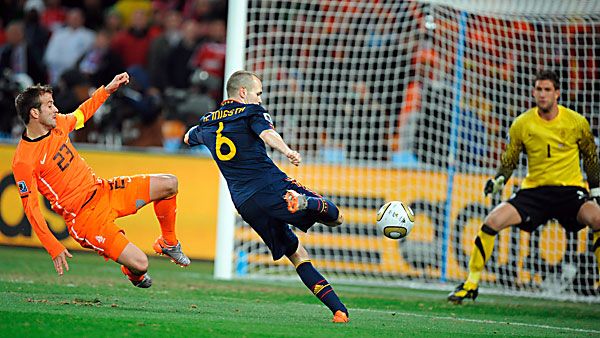
Andrés Iniesta scored the winning goal, 2010

  • 2010年南非世界杯决赛中,西班牙球员伊涅斯塔在加时第116分钟打入制胜球,帮助球队1比0战胜荷兰,夺得队史首座世界杯冠军。

名言

  • Most disagreements are not about beliefs, but about the meanings of words.
  • 大多数分歧并非信念不同,而是词语意义不同。

Why Financial Freedom Is Unattainable for Most People

I. Structural Disadvantage: Wealth Flows from the Many to the Few

  1. Wealth Accumulation Relies on the Labor of Others
    Whether running a company, becoming a social media influencer, or innovating new products, the accumulation of wealth fundamentally depends on leveraging the labor or attention of others. Wealth concentrates in the hands of a few by continuously extracting value from the work of the majority.

  2. All Profits Ultimately Come from Ordinary People
    Even when someone “beats the rich” in a transaction, the wealthy derive their profits from a broad social base—consumers, employees, and public participation. In other words, “beating the rich” still means extracting value from the public, indirectly if not directly.

  3. Institutions Control Information; Retail Investors Are Disadvantaged
    Financial institutions function like ruling elites: they control media narratives and access to information. Retail investors, fragmented and unorganized, suffer from severe informational asymmetry and lack the ability to resist systematic manipulation. This inherent structural inequality ensures most individuals remain on the losing side.


II. Double Disadvantage in Capital and Cognition: Ordinary People Cannot Afford to Lose

  1. Limited Capital, Low Risk Tolerance
    Most individuals lack spare capital. Without a financial buffer, a single mistake can erase all prior gains. Unlike institutions, ordinary people cannot afford to lose multiple times before succeeding.

  2. Lack of Knowledge Leads to Blind Investment
    Many enter the market during bull runs, buying high and refusing to sell in time. Driven by greed and crowd psychology, they become “bag holders.” The absence of risk awareness and exit strategies is a key reason for losses.

  3. Leverage Amplifies Fragility
    Investing with borrowed money increases exposure. When losses occur, the impact extends beyond portfolios and into daily life, leading to heightened anxiety and long-term instability.


III. The Probability Trap of Investing: Not Steady Growth, But Disguised Gambling

  1. High Returns Come with High Risk
    Seeing a few success stories, people assume they can replicate them. In reality, these are rare outcomes with low probability—essentially high-risk bets, not sustainable strategies.

  2. Martingale Mindset Magnifies Losses
    The belief that one can double down to recover losses—commonly known as the Martingale strategy—is a dangerous fallacy. A single misstep can wipe out all capital.

  3. Steady Gains Offer Little Real Impact for Most
    Even when modest and stable growth is achieved, the returns are often negligible compared to life’s rising expenses. For most, it does not enable upward mobility or change life’s trajectory meaningfully.


IV. Conclusion & Recommendations: Ordinary People Are Positioned to Be “Harvested”

In this system, the average person is structurally and behaviorally predisposed to lose:

  • Structurally disadvantaged due to lack of voice and asymmetric information;
  • Resource-deficient in terms of capital, time, and risk tolerance;
  • Behaviorally prone to common traps—chasing highs, greed, and herd mentality;
  • Positioned as “yield providers” for the few who extract consistent gains.

Recommendations:

  • Avoid chasing trends, control greed, and exit at the right time;
  • Understand probability—stop fantasizing about getting rich overnight;
  • Focus on improving quality of life instead of chasing the illusion of “financial freedom.”

Picture

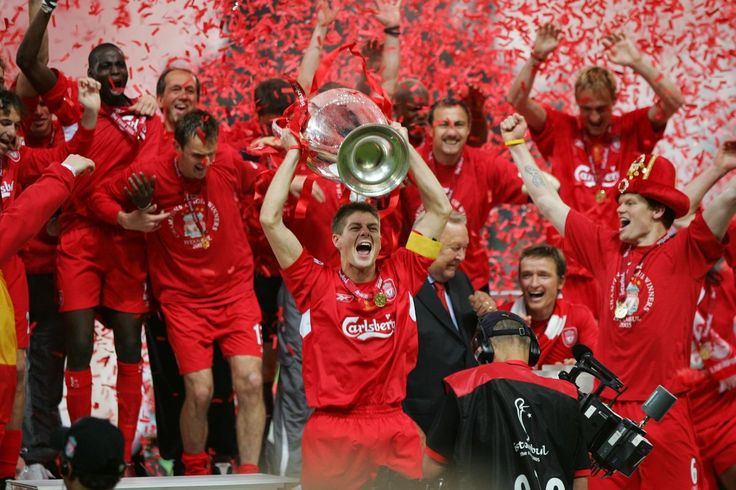
Liverpool staged the “Miracle of Istanbul”, 2005

  • On May 25, 2005, at the Atatürk Olympic Stadium in Istanbul, Liverpool staged the “Miracle of Istanbul” in the UEFA Champions League final: coming back from a 0-3 deficit to draw level, and ultimately defeating AC Milan in a penalty shootout to claim their fifth European Cup title.

Quote

  • Hope is the opium of the people.

普通人财富自由难

一、结构性劣势:财富流动本质上是“少数获利、多数付出”

  1. 财富积累依赖于对他人劳动的利用
    无论是企业经营、流量经济还是技术创新,财富的获得都离不开他人劳动或注意力的投入。资本的增值建立在对大众劳动成果的持续抽取之上,财富因此不断集中于少数人手中。

  2. 富人收益的终极来源仍是普通人
    即使在交易中“赢了”富人,本质上其可得的利润最终也源自广泛的社会基础,包括消费者支出、员工劳动与公众资源的参与。因此,所谓“击败富人”多数情况下仍是从大众中获得间接利益。

  3. 机构掌控信息与舆论,散户处于劣势
    金融机构拥有话语权、舆论引导能力及庞大数据支持,宛如权力中心,而普通投资者则如同散沙,信息极度不对称,组织能力薄弱,难以抵御系统性的操作与操控。在此结构性不平等中,多数人注定成为被动的一方。


二、资金与认知的双重不足:普通人处于“输不起”的位置

  1. 本金有限,抗风险能力极低
    资金稀缺意味着普通投资者无法承受大幅波动或短期亏损。一旦出现失误,可能直接清零,前期收益也随之蒸发,缺乏反复试错的成本和空间。

  2. 认知缺口导致行为盲目
    多数人在市场高点入场,追高买入,不懂止盈机制,容易被情绪和从众心理驱动。风险意识薄弱、退出策略缺失,成为亏损的根本原因。

  3. 借贷投资加剧脆弱性
    当投资伴随负债,一旦亏损,不仅动摇资金基础,也直接影响生活质量,造成持续焦虑与不稳定状态,进一步削弱理性判断能力。


三、投资的概率陷阱:多数投资更接近变相赌博

  1. 高收益本质上对应高风险
    普通人看到少数暴富案例,误以为可复制,却忽略其背后极低概率。高收益的本质是高风险博弈,不是可控的盈利模型,而更接近机会主义式赌博。

  2. 倍投心态放大亏损风险
    企图用加码补亏的“倍投策略”常见于亏损阶段,但这是一种典型的认知陷阱。一旦判断失误,不仅无法回本,反而加速崩盘。

  3. 稳定增长对大多数人无实质意义
    即便按理论模型稳定增长,实际收益仍十分有限,耗费大量时间和精力,却难以抵抗现实中持续的生活开销与压力,对阶层跃迁几乎无效。


四、结论与建议:普通人处于“被收割”的结构中,财富自由概率极低

普通人普遍难以在资本市场中实现财富自由,其原因既有结构性的压制,也有资源与认知的限制。在整个体系中,大多数人扮演的是为少数人“输血”的角色:

  • 结构上缺乏话语权,处于信息弱势;
  • 资源上缺乏本金、时间与抗风险能力;
  • 行为上易被情绪左右,频繁追高、盲目跟风;
  • 系统中定位为“韭菜”,收益多为他人所提取。

建议如下:

  • 不追高、不贪婪,设定明确的退出机制;
  • 认清投资概率,不沉溺于暴富幻想;
  • 将注意力从“财富自由”转向“生活质量”,以可控的方式稳步提升个人安全感与生活稳定性。

图片

Liverpool staged the “Miracle of Istanbul”, 2005

  • 2005年5月25日,在伊斯坦布尔的阿塔图克奥林匹克体育场,利物浦在欧冠决赛中上演“伊斯坦布尔奇迹”:在0比3落后的情况下连追三球,并最终通过点球大战击败AC米兰,夺得队史第五座欧洲冠军杯。

名言

  • Hope is the opium of the people.
  • 希望是人民的鸦片。

Wilderness Path

The wind stirred fallen leaves at the street corner, sweeping dust into a silent waltz beneath the lamplight—like echoes of a dream long past.

He stood shrouded in the depths of night. Behind him, neon lights and restless noise stretched endlessly; before him, his shadow trailed long and alone.

Once, passion had burned bright—but time had ground it into ash. Now, only weariness and numbness breathed quietly within him.

He looked up. The city loomed like a cold, monstrous beast, devouring every fragile soul it touched.

Softly, he whispered, “Perhaps to escape the ordinary and embrace the unknown… is the only way to truly feel alive.”


Picture

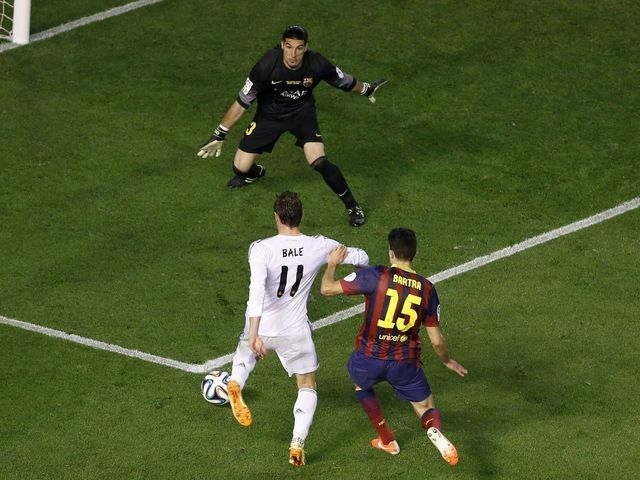
Gareth Bale scoring the winning goal, 2014

  • On April 16, 2014, the Copa del Rey final was held at the Mestalla Stadium in Valencia. Real Madrid’s Gareth Bale performed his iconic “run off the pitch” move, sprinting past Barcelona defender Marc Bartra and scoring the winning goal, helping his team defeat Barcelona 2-1 to claim the title.

Quote

  • Man cannot discover new oceans unless he has the courage to lose sight of the shore.

荒途

风卷起街角落叶,灰尘在路灯下旋舞,仿佛旧日梦境的残影。

他站在夜色深处,背后是无尽的霓虹与喧嚣,面前是被拉长的孤影。

曾经的激情早已被时间碾碎,只有疲惫与麻木在无声呼吸。

他抬头望去,城市如冰冷巨兽,吞噬着每个微小的灵魂。

他低语:“也许,逃离平凡,拥抱未知,才算真正活过。”


图片

Gareth Bale scoring the winning goal, 2014

  • 2014年4月16日,西班牙国王杯决赛在瓦伦西亚梅斯塔利亚球场举行。皇马球员贝尔上演标志性“外道超车”,突破巴萨后卫巴特拉并完成致胜进球,助球队2-1战胜巴萨夺冠。

名言

  • Man cannot discover new oceans unless he has the courage to lose sight of the shore.
  • 人若没有勇气离开海岸,就永远无法发现新大陆。

He’s Not Qualified

He’s not terrible. He’s diligent, punctual, honest, and never procrastinates. But he’s not liked.

He doesn’t understand why.

It’s not that he can’t get things done—he just doesn’t compete. He doesn’t pander, doesn’t echo others. He won’t fake a smile at drinking parties, nor toss out pretty nonsense to fill the silence. Before he speaks, he always pauses, as if weighing whether the word is worth saying.

People like that aren’t popular.

He knows this. But he doesn’t want to change. He’s not narcissistic, not angry—just quietly observant. He knows most people aren’t better than him, just better at packaging themselves—wearing labels like “hardworking” and “gets along well” on their foreheads. He doesn’t envy them. He simply doesn’t fit.

It’s not the era’s fault—it’s his. He’s outdated. Like an obsolete connector that no longer plugs into the current system.

His job is stable, his meals are simple, his life is quiet. He’s never late, never throws others under the bus. His face is always calm—never anxious, never elated. He rejects hustle culture, but he’s not into “lying flat” either. He just stands there, watching others sprint, watching them crash and bleed and still scream, “It’s worth it!”

He doesn’t speak up. His social media is a shell—no selfies, no hot takes, no opinions. He hasn’t bought into funds, hasn’t picked up a side hustle. It’s not that he doesn’t understand—he just chooses not to join. To him, it all feels like a massive stage play where everyone’s fighting for the spotlight, and he simply refuses to get on stage.

So, he’s a failure.

A worthless, unusable, structurally redundant person.

He hasn’t been fired. He hasn’t been ostracized. He’s just been quietly removed from anything that matters. Skipped over in meetings, missing from promotion lists. His presence is accepted as background noise—not even worth dissent.

Sometimes, he tries to fit in. Mimics the language—says things like “Great work today” or “I think this is a solid direction.” But afterward, he feels sick. He scrubs his hands for a long time, like trying to wash off something dirty.

He’s not incompetent—just too clear-eyed. Once you see the truth behind the “rules,” it becomes impossible to keep playing the game.

He knows exactly what this era values—emotions that update hourly, flashy takes that draw attention, performative hard work that screams for applause. He has none of that. He’s cold, slow, and honest. His voice ticks like an old clock, always outpaced by the acceleration of modern life.

He’s not a loser. He’s just… unnecessary. Like a part that doesn’t meet spec, quietly set aside. He blames no one. He knows it’s not their fault, and not really his either.

It’s just that this era doesn’t need people like him.

He’s struggled. He’s tried to change—read self-help books, doom-scrolled short videos, forced himself to keep up with trends, joined team-building activities. Those days were exhausting. Like forcing an old keyboard to run a new OS. Eventually, he stopped.

He no longer tries to align with anything. Every day, he gets up, eats, works, and takes the long way home to avoid others. His room is like a simulation pod—no light, no sound, no connection. He just sits there, listening to his own breathing.

He’s stopped writing, stopped trying to explain. He knows now: he’s not “special,” not a “misunderstood genius,” not some “hidden gem.”

He’s just a failure, in the most textbook sense.

Not because he’s fallen, or slow, or lazy. But because he refuses to give up parts of himself just to carve out a place to survive. And this system doesn’t accept whole people.

One evening, as usual, he walks into the subway station. The crowd flows quickly, like a river curving around a rock. He is that rock.

No one notices. No one will remember.

He stands there, still—strangely out of place amid the current. He looks down at himself, like inspecting a redundant organ.

This world doesn’t need him.

But he’s still alive. Still standing.

And in the quiet of his mind, only one sentence remains:

“I’m not bad—just not qualified.”


Picture

Cristiano Ronaldo leapt 2.56 meters to score a stunning header, 2019

  • On December 18, 2019, in a match between Juventus and Sampdoria, Cristiano Ronaldo leapt 2.56 meters to score a stunning header at the Stadio Luigi Ferraris in Genoa — a moment now regarded as iconic.

Quote

  • The reward for conformity is that everyone likes you except yourself.

他不合格

他不算差劲。认真、守时、不撒谎,不拖延。但不被喜欢。

他不懂为什么。

他不是不会做事,只是不抢。他不迎合,也不附和。他拒绝在酒局里谄笑,也不会在众人沉默时附上一句漂亮的废话。他说话前总要停顿几秒,好像在权衡那个词值不值得说出口。

这样的人不受欢迎。

他很清楚这一点,但并不想改变。他并不自恋,也不愤怒,只是冷冷地观察。他知道大部分人并不比他强,只是更擅长打包装配,把“能吃苦”“会做人”这些字样贴在自己额头上。他不羡慕。他只是不合适。

不是时代的问题,是他的问题。他太旧了,像过时的接口,插不进现在这个系统。

他工作稳定、吃得简单、生活安静。他从不迟到,也从不卷别人。他的表情总是很轻,不焦虑,也不激动。他拒绝内卷,也不想“躺平”。他只是站着,看着别人奔跑,看着他们撞得头破血流又大喊“值得”。

他不发言。他的账号像空壳,没有自拍、没有热点评论、没有立场。他没买基金,也没学副业。他不是不懂,只是不想参与。他觉得这一切像一场庞大的戏剧,每个人都在抢着演主角,而他不愿站在台上。

所以他是废物。

一个无价值的、不可利用的、结构性冗余的人。

他没有被炒鱿鱼,也没有被孤立。他只是被悄悄排除在重要性之外。他在会议上被跳过,在晋升名单上被略去。他的存在被默认是“背景板”,甚至连反对都不配拥有。

有时候他也试着靠近,模仿那些人的话术,说“辛苦啦”“我觉得这个方向不错”,但说完自己都恶心。他回去洗了很久的手,像洗掉某种脏东西。

他不是没能力,只是看得太清。他看透了“规则”的真相,也就无法再参与。

他知道这个时代喜欢什么——高频更新的情绪、流量感强的表达、用力过猛的“奋斗感”。他没有。他冷、慢、真实。他说话像老钟,滴答滴答,永远赶不上这个时代的加速度。

他不是失败者。他只是没有被需要。他像一块不符合标准的零件,被静静放在一边。他不怪谁。他知道错不在别人,也不在他自己。

只是这个时代,不需要这样的人

他不是没挣扎。他也试图改变过:读成功学、刷短视频、强迫自己追热点、参加团建。那些日子他过得极其疲惫,像在强迫一个旧键盘运行新版系统。他最终还是停下了。

他不再努力向任何方向靠拢。他每天照常起床、吃饭、工作,下班时绕路走回家,刻意避开所有人。他的房间像一间模拟舱,无光、无声、无连接。他坐着,不说话,听自己呼吸。

他不再写字,也不再试图解释。他已经明白,自己不是“特殊”,不是“被误解的天才”,不是任何“未被发现的宝藏”。

他只是一个标准意义下的失败品。

不是堕落,不是愚钝,也不是懒惰。只是拒绝让渡自己的一部分,换取生存空间。而这个系统不接受“完整的人”。

某个黄昏,他照例走进地铁站,人群快速流动,像河水绕开石头。他就是那块石头。

没有人注意,也没有人会记得。

他站着,一动不动,在涌动的人群中显得异常突兀。他低头看着自己,像在审视一具多余的器官。

这个世界不需要他。
但他还是活着。还站着。

他心里一片干净,只剩下一句话:

“我不是坏,只是不合格。”


图片

Cristiano Ronaldo leapt 2.56 meters to score a stunning header, 2019

  • 2019年12月18日,尤文图斯对阵桑普多利亚,C罗在热那亚费拉里斯球场跃起2.56米完成头球破门,成为经典瞬间。

名言

  • The reward for conformity is that everyone likes you except yourself.
  • 顺从的奖赏,是所有人都喜欢你,除了你自己。

When Did We Start Seeing Life Again Amid Our Career Hustle?

After years of intense striving and being consumed by anxiety, many of us come to a sudden realization:
We haven’t truly lived in a long time.

Someone once said:
“These past few years, work was so busy that I didn’t have the energy to take photos, let alone record anything. Now that I’m older and my career has plateaued, I’ve finally started documenting life again. Maybe it’s compromise, or maybe it’s reconciliation with myself.”

This sentiment isn’t rare—it’s a shared awakening for many in the middle chapters of life.
Shifting from career obsession to noticing life’s details isn’t a sign of defeat, but rather an internal loosening, a transition from anxiety to clarity.


1. From “Chasing Career” to “Recording Life”: A Shift in Mindset

In our youth, time felt like a scarce resource. Every minute had to be used for “progress” or “proving ourselves.”
Things like taking photos, going for walks, daydreaming, or journaling were dismissed as “wasting time.”

But as we mature and our careers stabilize—or when we realize this might be as far as it goes—we finally allow ourselves to slow down and look back at our own lives.
This isn’t compromise. It’s awakening.

Documenting life isn’t a consolation prize for failure—it’s an invitation to meet your true self.


2. Experiencing Life Isn’t Opposed to Ambition—It’s a Matter of Balance

Many people believe that pursuing a career and enjoying life are mutually exclusive—that pouring yourself into work means sacrificing quality of life, and savoring life means giving up ambition.
This is a misleading zero-sum mindset.

In truth, the two aren’t in conflict. The conflict lies in our unbalanced mental state when we’re running too fast.

  • It’s not the scenery that distracts the runner—it’s the runner who forgets to look;
  • It’s not effort that strips away our sensitivity—it’s anxiety redefining what effort means.

In other words, you absolutely can chase dreams passionately and live attentively at the same time.
You can be scribbling away late at night and still capture the golden light of dusk in a photo.
You can listen to work podcasts on your commute and still allow yourself a few minutes to daydream.

Career is part of life. Experience is its texture. You don’t need to sacrifice one for the other.


3. The Meaning of Recording: Turning Process into Presence

Recording life isn’t about showing off or gaining attention.
It’s a way to respond to yourself.
It’s a gentle reminder: You existed—authentically—on this earth.

Beyond memory, it brings deeper meanings:

  • Regaining control – When you can’t control your career highs and lows, you can still choose what to capture and how to interpret each day.
  • Enhancing presence – Even a ray of light, a cup of tea, or a short evening walk becomes real and meaningful once it’s recorded.
  • Comfort for your future self – In tough times, flipping through fragments of past moments reminds you that you were achieving something—you just moved too fast to notice.

4. A Message to You: Slowing Down Isn’t Failure

“That’s just how my career turned out” — this phrase may sound resigned, but it holds wisdom too:
You’ve finally stopped using anxiety as your sole source of momentum.

You’ve learned to set boundaries, to know when to pause and when to take care of yourself.
This isn’t passivity—it’s a mature way of cherishing the present.

Stop chasing “not good enough.”
You’re already doing well.


5. You’re Not Recording for Others, But for the You Who Was Overlooked

Many resist documenting their lives because they feel it’s too plain or worry others will think they’re showing off.
But what really matters is:
Can you find strength or comfort in these fragments?

Recording is a form of self-healing.
It’s a tender way of saying to yourself:
“You’ve come this far, and even if no one sees it, I do—and I’ll remember it.”


In Summary

Life’s constant rush once made us forget how to live.
But recording helps us reconnect with ourselves.
It’s not a reluctant compromise—it’s a conscious, mature choice.

Career and life experience have never been enemies.
If you’re willing to shift your mindset—bringing your ability to feel back into the everyday and letting your real self set the pace—
Life can still be gentle, rich, and full of strength.

You don’t start recording because life suddenly got better.
You start because you finally decided to treat it—and yourself—with softness.


Picture

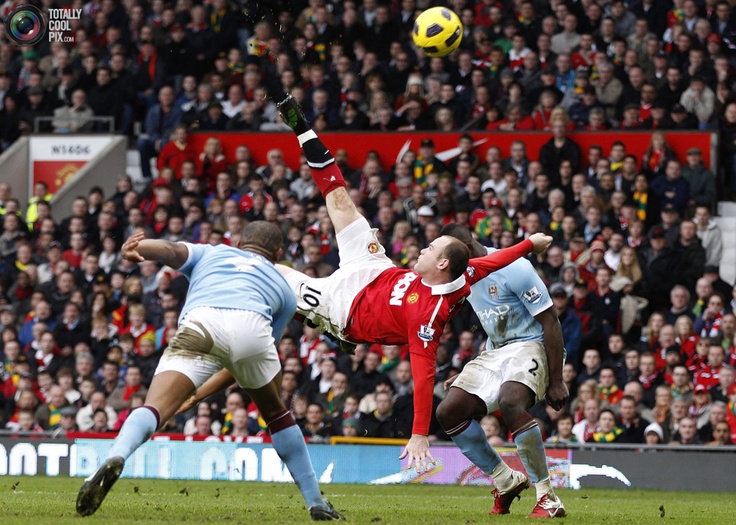
Wayne Rooney scored a stunning overhead kick against Manchester City, 2011

  • On February 12, 2011, Manchester United’s Wayne Rooney scored a stunning overhead kick against Manchester City at Old Trafford, widely regarded as one of the greatest goals in Premier League history.

Quote

  • We write to taste life twice, in the moment and in retrospect.

忙着拼事业的我们,何时开始重新看见生活?

在经历过一段拼命奋斗、被焦虑裹挟的岁月后,我们往往才会意识到:曾经的自己,竟然已经很久没有“真正地生活”了。

有人说:“这几年,工作太忙,根本没心思拍照,也没有精力记录。现在年纪大了,事业也就这样了,才开始记录生活。也许是妥协,也许是和自己和解了。”

这不是个别人的感受,而是很多人在进入人生中场时共同经历的顿悟。从只顾拼事业,到开始留意生活的点滴,这不是妥协,而是一种内心的松动,是从焦虑到通透的成长过程。


一、从“拼事业”到“记录生活”:一种心态的转向

年轻的时候,我们总觉得时间很宝贵,要将每一分每一秒都用来“进步”、用来“证明自己”。拍照、散步、发呆、记录——这些看似无用的小事被贴上了“浪费时间”的标签。

但当我们逐渐成熟、事业趋于平稳,或意识到“也许就这样了”时,才开始允许自己慢下来,回头看自己的生活。
其实这不是妥协,而是一种觉醒。

记录生活,不是对失败的补偿,而是对真实的自己发出的邀请。


二、体验生活,不是和拼事业对立,而是缺失心态平衡的结果

很多人以为事业拼搏和感受生活之间是二选一的关系,仿佛投入事业就意味着牺牲生活品质,而享受生活就意味着放弃进取心。但这是一种被误导的“零和思维”。

事实上,两者并不冲突。冲突的,只是我们在高速运转中失衡的心态。

  • 是我们在奔跑时忘了看风景,不是风景阻碍了奔跑;
  • 是我们用焦虑定义努力,而不是努力本身剥夺了感受力。

换句话说,你完全可以一边热烈追梦,一边细致生活。你可以在深夜奋笔疾书的同时,也为黄昏的光影留一张照片;你可以在通勤的车上听工作播客,也给心情留几分钟发呆的权利。

事业是生活的一部分,体验是生活的温度。你不需要为了一个而牺牲另一个。


三、记录的意义:让生活从“过程”变成“感受”

记录生活,其实不是为了分享或炫耀,而是一种自我回应的方式。它提醒我们:你在这个世界上,真实地存在过。

它带来的不止是“记忆”,还有以下几种深刻的意义:

  • 重拾掌控感:当你无法左右事业的高低起伏时,至少可以选择记录什么、如何看待自己的每一天。
  • 增强生活实感:哪怕是一束光、一杯茶、一段傍晚的步行,被记录下来的那一刻,就是生活的确认。
  • 成为未来的慰藉:低谷期翻翻这些生活碎片,你会发现,原来自己并没有一事无成,只是走得太快,忘了看风景。

四、写给此刻的你:允许自己慢一点,也不是失败

“现在一定年纪了,事业也就这样了”——这句话听上去有些无奈,但也藏着一份醒悟:你终于不再把“焦虑感”当作前进的唯一动力。

你开始给自己设下界限,知道什么时候该停下来,什么时候该照顾自己。这不是“佛系”,而是珍惜每一个当下的成熟

别总想着“还不够好”,你已经很好了。


五、记录不是给别人,是给曾被忽略的自己

很多人抗拒记录,是因为总觉得“我生活平淡,不值得拍”“怕别人觉得我装”。但真正重要的,是你自己能不能从这些片段中获得慰藉和力量。

记录,是一种自我修复。
是一种温柔地告诉自己:“你走得很好,即使没人看见,我也愿意记住你走过的样子。”


总结

生活的匆忙曾让我们忘记了生活。
而记录,是我们重新认识自己的方式。
它不是无奈的妥协,而是成熟后的选择。

事业和体验生活从来不是对立的。只要你愿意调整心态,把感受的能力带进日常,把真实的自己放进节奏里,生活依然可以温柔、丰盈、有力。

当你开始记录,不是因为生活更精彩了,而是你终于愿意温柔地看待它了。


图片

Wayne Rooney scored a stunning overhead kick against Manchester City, 2011

  • 2011年2月12日,曼联球员鲁尼在老特拉福德对阵曼城的比赛中打入一记精彩倒钩,被誉为英超历史最经典的进球之一。

名言

  • We write to taste life twice, in the moment and in retrospect.
  • 我们写作,是为了让生活被品尝两次——一次在当下,一次在回忆中。

Metaphor: The Boundary Between Understanding and Misleading

As a rhetorical device in language, metaphor is widely used in various types of texts, especially in academic writing, literature, and public speaking. Its main function is to make complex or abstract concepts easier to understand by comparing them to familiar or intuitive objects or experiences. However, the use of metaphor is not always harmless—if not employed carefully, it can shift from facilitating understanding to distorting perception. Thus, knowing how to use metaphors appropriately and avoiding their misuse is a key task in both thought and communication.

I. The Fundamental Function of Metaphor

The primary function of metaphor is to aid our understanding of abstract or complex ideas. When faced with unfamiliar phenomena or concepts that are hard to perceive directly, we can draw analogies to familiar, sensory-accessible objects, making the abstract more concrete and comprehensible. For example, when explaining the abstract concept of “time,” people often use “flowing water” as a metaphor to emphasize its continuous and irreversible nature. This analogy taps into our intuitive sense of how water flows, making the idea of time more vivid and easier to grasp.

Furthermore, metaphors can simplify complexity while preserving essential characteristics, allowing people to quickly grasp the core elements of an idea. In teaching, educators frequently use metaphors to help students build conceptual bridges from the known to the unknown, laying the groundwork for understanding new knowledge.

II. The Pitfalls of Metaphor: Deviations from Facts and Logic

Despite its utility in promoting understanding, metaphor can lead to misinterpretation if used imprecisely. First, metaphors are inherently abstract—they often gloss over the complexity of what they describe. For example, in discussions of social phenomena, certain metaphors may overly simplify the issue, reducing a multifaceted situation to a single, concrete image and ignoring the deeper structural factors behind it. While such simplification can evoke emotional resonance in the short term, it may mislead the audience into overlooking the multidimensional and nuanced nature of the problem.

Take the classic metaphor “the market is an invisible hand.” It vividly illustrates the self-regulating function of the market mechanism, but it can also cause people to ignore the limitations of that mechanism, such as information asymmetry or market failures. Over-reliance on this metaphor might foster undue faith in market regulation, neglecting the importance of government intervention and macroeconomic policy.

Second, metaphors are sometimes deliberately distorted to support a particular stance or viewpoint. When used as tools of argument, the underlying logical connections in a metaphor may be oversimplified or manipulated. For instance, in some academic debates, metaphors may frame a complex phenomenon as a binary opposition of “good” versus “evil,” prompting audiences to accept a certain value judgment emotionally rather than analyze the issue rationally. In such cases, metaphor becomes a vehicle for propaganda, concealing the complexity of facts or even distorting reality.

III. The Proper Use of Metaphor: Striking a Balance

To ensure that metaphors fulfill their intended role, we must use them with caution and discernment. First, metaphors should be supportive rather than dominant. They should not replace deep conceptual understanding, but rather serve as auxiliary tools to enhance clarity. For instance, when discussing the philosophical notion of “freedom,” one might use the image of “a bird soaring in the sky” to convey an intuitive sense of the idea. Still, it remains essential to explore the multifaceted meanings, limitations, and realizations of freedom, rather than rely on a metaphor to draw partial or superficial conclusions.

Second, metaphors should align with the essential characteristics of the concepts they describe, avoiding oversimplification or misdirection. The effectiveness of a metaphor lies in its ability to accurately convey a specific aspect of something, not in masking or distorting its complexity. Therefore, when using metaphors, we must ensure they reflect core features and do not carry misleading implications.

Finally, metaphorical usage should respect logic and facts rather than merely rely on emotional appeal. The aim of metaphor is to aid understanding of reality—not to manipulate perspectives through rhetorical flourish. Hence, metaphor should always be grounded in truth and used responsibly, without supporting illogical or unfounded claims.

IV. Conclusion

As a linguistic tool, metaphor can significantly enhance our understanding of complex ideas, making communication more vivid and accessible. Yet, metaphors also come with limitations. If misused, they can become instruments of confusion or distortion. When employing metaphors, we must maintain rational thought and guard against oversimplification or factual distortion. Rational analysis and logical thinking should form the foundation of how we understand and apply metaphor—only then can metaphor truly serve cognition, rather than mislead it.


Picture

Beckham scored a crucial free-kick against Greece, 2001

  • On October 6, 2001, Beckham scored a crucial free-kick against Greece at Old Trafford, sending England to the World Cup.

Quote

  • The limits of my language mean the limits of my world.