Why Do We Fear Cemeteries Even If We Don’t Believe in Ghosts?

Many people consider themselves rational and don’t believe in ghosts. Yet, when walking alone into a cemetery at night, uneasiness and even fear can arise. This reaction is not a remnant of superstition, but rather the result of human psychology and cultural memory working together.

This question is quite typical and reflects the complexity of human psychology and culture. Simply put: even if we don’t believe in ghosts on a rational level, our emotions and subconscious are still influenced by evolution, instinct, and culture.


1. Evolutionary Instincts and Environmental Triggers

The human brain has been shaped over a long evolutionary process. For survival, our ancestors had to stay alert in dark, desolate, and silent places (like forests, caves, or graveyards) because predators or enemies could be lurking.

Even today, in our relatively safe societies, this instinctive vigilance toward the unknown or toward “death-charged” environments remains buried in our subconscious, manifesting as unease and fear.

A cemetery is exactly this kind of place: “low visibility + silence + emptiness.” Such settings naturally activate our built-in alarm systems. When light, companionship, and control are absent, fear can operate like an “auto-start” program, immediately triggered.

What we fear is not ghosts, but potential danger and uncertainty.


2. Cultural Conditioning and Subconscious Influence

From childhood, we are repeatedly exposed to stories, legends, and films that portray cemeteries, night, and the supernatural as frightening. These cultural messages become embedded in our collective memory.

Even if you don’t believe in ghosts rationally, standing alone in a cemetery can activate these cultural associations, producing unease.

For example, many people don’t actually fear “ghosts,” but if they walk alone at midnight through a dark hallway, an abandoned house, or a cemetery, they become inexplicably tense. It’s not belief—it’s the brain automatically linking such environments to danger or impurity.

When you find yourself in that setting, your brain pulls up the “horror scene template,” amplifying tension and fear. What you fear is not a specific ghost, but the cultural framework equating cemeteries with danger.


3. The Innate Fear of Death

A cemetery symbolizes death, and humans are naturally inclined to fear or revere it. Even if you are an atheist, it’s impossible to face death without any psychological reaction.

What frightens us is not necessarily “ghosts,” but the fact that in a cemetery, we are forced to confront death itself—an existential unease:

  • “One day, I too will die.”
  • “What happens after death?”
  • “Does life have meaning?”

These questions are not about belief in ghosts, but about the natural human response to recognizing our own finitude.

Standing in a cemetery, you are not fearing spirits—you are facing your own mortality. Questions like “What is the meaning of life?” or “What happens after I’m gone?” quietly surface, stirring deep anxiety and dread. This is existential fear, tied not to superstition, but to consciousness itself.


Conclusion: To Be Human Is to Fear

What you fear is not ghosts, but:

  • Potential danger and uncertainty (evolutionary instincts + environmental triggers)
  • The symbolism of death (existential fear)
  • Cultural conditioning (collective subconscious)

Therefore, even without belief in ghosts, feeling uneasy or frightened when walking alone through a cemetery at night is completely natural.
It’s not a matter of superstition—it’s a matter of being human.

Fearing cemeteries doesn’t mean you’re irrational; it simply shows you still possess a complete human psychology.


Picture
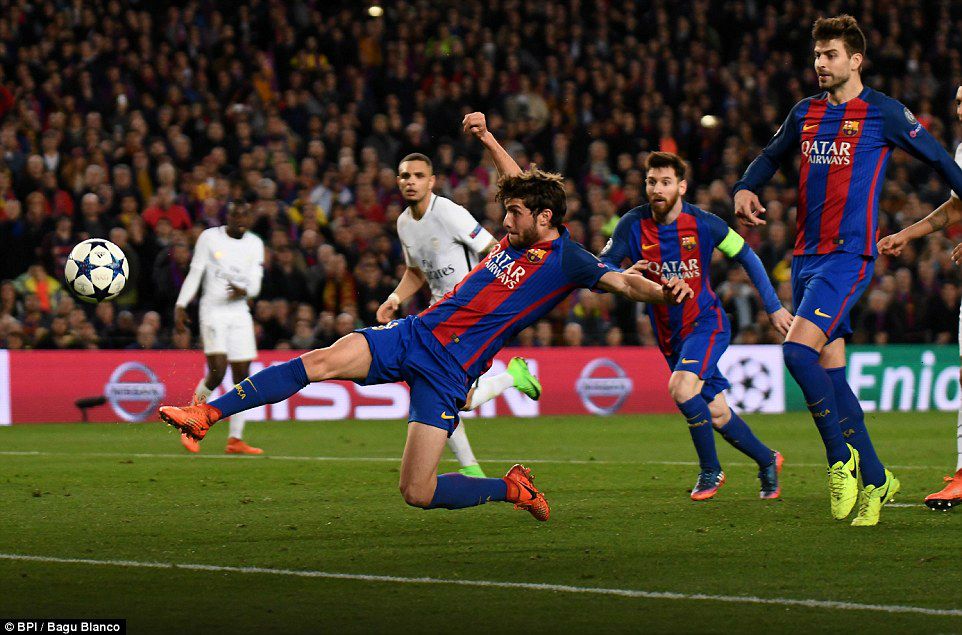
Sergi Roberto scored the decisive sixth goal, 2017

  • On March 8, 2017, in the Champions League Round of 16 second leg at Camp Nou, Barcelona’s Sergi Roberto scored the decisive sixth goal in stoppage time to complete a 6–1 victory over Paris Saint-Germain, sending Barça through 6–5 on aggregate.

Quote

  • Courage is resistance to fear, mastery of fear, not absence of fear.
Faith, Logic, and the Human Condition

Religion has always been humanity’s attempt to reconcile the unknown with the unbearable. Yet in its long history, what we often see is not wisdom, but a patchwork of dogmas—rigid rules stitched together under the banner of “truth.” When one looks closer, many of these doctrines resemble little more than arbitrary “arrangements of belief,” a grand combinatorial game in which each culture and era selects its own preferred permutation.

Take, for instance, the Catholic demand that priests remain celibate. On the surface, it claims to be a noble sacrifice, a spiritual devotion beyond earthly desire. But in essence, it is a denial of human nature. Sexuality, family, intimacy—these are not trivial distractions; they are part of what makes us fully human. Forcing clergy to live as if they were statues of marble, untouched by desire, produces not saints but distortions. History is littered with the consequences: hypocrisy, secret scandals, and the collapse of credibility. It is less “holiness” than a bureaucratic fantasy, as if human beings could be administratively managed into angels.

And yet, the contradiction runs deeper. If everyone were to obey such rules—if all faithful men and women renounced marriage and childbearing—then religion itself would vanish in a single generation. A community that prohibits reproduction is a community destined for extinction. In other words, the very survival of the faith depends on most believers not following its strictest ideals. The structure endures only because the masses live in ordinary, “sinful” humanity—marrying, raising children, and thus producing the next generation of worshippers. The faith lives parasitically on the disobedience of its followers.

Of course, Catholicism is hardly unique. Many religions thrive on this same paradox: preaching values impossible to live by, then glorifying the guilt and repentance that follow. By this logic, the religion does not cure the disease—it manufactures it, and then sells itself as the only medicine.

This does not mean that religion is entirely useless. Its stories, symbols, and rituals can provide meaning, comfort, and community. But we must strip away the illusion that any single doctrine holds “universal truth.” In reality, what we call “faith” is simply one configuration of human values among many. For some, it offers order; for others, suffocation.

A wiser approach is to recognize religion as a cultural toolkit: a set of symbols through which people negotiate mortality, morality, and belonging. But the danger lies in mistaking the tool for the truth, the symbol for reality. Once that happens, reason is abandoned, and the very thing meant to serve humanity begins to demand that humanity serve it.

In the end, no divine law can override human nature. What survives across cultures and centuries are not the dogmas that defy logic, but the values that harmonize with our shared humanity: compassion, justice, dignity, and love. Religions that embrace these endure; those that wage war against human essence collapse under their own contradictions.

Perhaps, then, the task for the modern age is not to abandon faith, but to see it clearly: not as a sacred command from above, but as an earthly experiment in meaning-making. And like all experiments, it is judged not by its promises, but by its results.


Picture

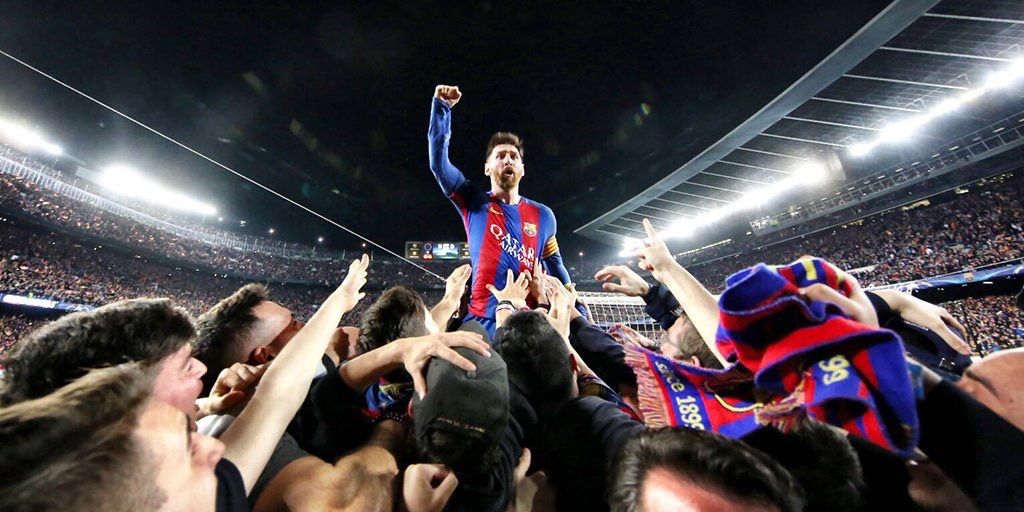
Messi stood on the advertising board with his fist raised in celebration, 2017

  • On March 8, 2017, Barcelona overturned a 4–0 first-leg deficit by beating Paris Saint-Germain 6–1 at home in the Champions League Round of 16, and after the match Messi stood on the advertising board with his fist raised in celebration, creating an iconic Champions League moment.

Quote

  • The price of freedom is eternal vigilance.

Death: The Inevitable Termination of Consciousness and Humanity’s Futile Resistance

Death is the unavoidable endpoint of life. From a biological standpoint, it is the irreversible cessation of systemic function. From the standpoint of consciousness, it is the eternal disappearance of self-awareness, perception, and being. On the scale of the cosmos, an individual’s death is neither special nor significant—merely a local collapse of informational order. Yet to humans, it is the ultimate and inescapable problem, as it marks the boundary of subjective experience.


1. The Nature of Death: The Break in Consciousness

We are used to defining death biologically, but that’s not the true source of human fear. One does not panic at the phrase “cardiac arrest.” What causes anxiety is the knowledge that such an event marks the end of the “self.”

Death cannot be felt, because feeling requires consciousness—and consciousness ends with death. Thus we arrive at a stark conclusion:

Death is not an experience, but the absence of all experience.
It is not a painful state; it is the total absence of any state. Therefore, “the feeling of death” is a blank space in language and cognition—an imagination of the living, not the lived reality of the dead.


2. Why Humans Fear Death: A Product of Evolution and Neural Architecture

From an evolutionary perspective, fear of death is a survival mechanism. Organisms that lacked this fear would not avoid danger, and would be quickly eliminated through natural selection. Fear of death, embedded deep within neural circuits, is an automatic reaction.

But in modern humans, this reaction has become disproportionate and inescapable. We know we will die, yet we cannot know when or how. We possess self-awareness, yet this awareness cannot protect us from its own termination.

This is the paradox of death anxiety: we know the end exists, yet cannot experience or resolve it.


3. Obsession and Meaning: Is Love, Family, or Career Merely a Strategy for Avoiding Death?

Many people claim they “live for” family, love, career, or faith. On the surface, these are noble motives. But viewed through the lens of evolutionary psychology and neuroscience, the picture grows more complicated:

  • Attachment and love activate survival-oriented dependency systems.
  • Career and faith stimulate reward circuits, offering positive feedback that “I am still alive.”
  • Obsession with meaning may not be about external values, but a disguised expression of the fear of death.

In short, what we call “love” or “faith” may not be free choices but neurological expressions of survival programming, wrapped in emotional and cultural language. We cling to certain values not necessarily because they are real, but because they allow us to forget death—or to feel that living is still “worth it.”
This doesn’t invalidate such emotions, but it reframes them as strategies, not metaphysical truths.


4. The Collapse of Meaning: Death Terminates All Narratives

If death is the end of consciousness, then it also marks the collapse of meaning. “The meaning of life” becomes void the moment the subject ceases to perceive or recall it.

Religious and metaphysical stories (heaven, reincarnation, soul) are attempts to buffer against this void. Their psychological function is to sustain the illusion of continued existence beyond awareness.

From a materialist perspective, this leads to a rational assertion:

Death not only ends life but dismantles the narrative scaffolding of meaning.


5. To Live Freely Despite Death: Divine Perspective or Neural Reconfiguration?

Some people, after fully confronting the reality of death, choose to live on their own terms—no longer driven by social norms, biological imperatives, or external validation.
Is this freedom from the genetic script—a kind of divine, godlike awareness?

Superficially, yes. Choosing not to have children, reject careerist goals, or defy emotional dependencies seems like liberation. But from a cooler perspective, these behaviors may still originate within reward systems of the brain.

Even the decision to “do what I like” is shaped by chemical feedback loops that define “liking.”

Free will, if it exists, has never been proven. Even if it does, it may still function within the limits of our neural architecture.

Thus, “freedom” and “programming” are not opposites but points on a continuum. Autonomy may merely be the brain translating instinct into complex language.


6. Strategies to Resist Death: Cultural Myths and Technological Delusions

Throughout history, humans have developed various strategies to resist death:

  1. Religious Narratives – promise an afterlife
  2. Cultural Memory – strive to leave a legacy
  3. Biological Reproduction – continue a version of the self
  4. Digital Uploads – fantasies of mind preservation
  5. Cryonics – hope in technological resurrection

Yet none of these truly solve the core issue:

Consciousness, once ceased, cannot be restored.

Even if memory is copied, behavior replicated, or image preserved, these are shadows—not the self.
Science and culture, at best, delay or distort death; they do not negate it.


7. Acceptance: The Only Rational Stance Toward Death

Stripped of illusions, humanity has one truly rational option in facing death: acceptance.

Acceptance is not celebration. It is not poetic romanticism. It is simply acknowledgment: death is unchangeable and needs no justification. It is not malicious, not meaningful, and not negotiable.

Hence, the real question becomes:

Given the certainty of death, which actions are still worth executing?
Not a moral query, but a problem of allocation—of time, energy, and cognitive resources.


Conclusion: To Exist Calmly in the Shadow of an Inevitable End

Death is neither enemy nor friend. It does not respond to our emotions, nor recognize our thoughts. It is the final state, and it is irrevocable.

The only lucid human response is to see it, accept it, and live accordingly—without illusions and without poetic escape.

Death is cold, but clear. Humanity is futile, but need not be blind.


Picture

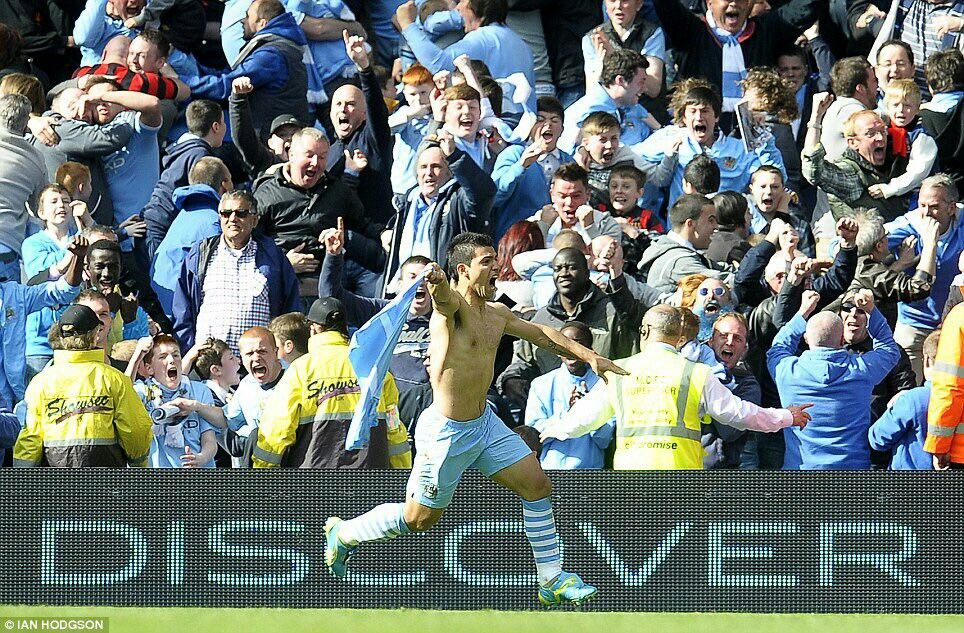
Sergio Agüero scored a dramatic winner against QPR, 2012

  • On May 13, 2012, Manchester City striker Sergio Agüero scored a dramatic winner against QPR in the 93rd minute and 20th second, securing a 3-2 comeback victory and delivering City’s first top-flight league title in 44 years. This iconic moment became one of the most legendary title-clinching goals in Premier League history, known as the “93:20 Miracle.”

Quote

  • The fear of death follows from the fear of life. A man who lives fully is prepared to die at any time.

At the Edge of Consciousness: A Dialogue with the Self

I’m often troubled by a feeling I can’t quite name. It’s not anxiety, not sorrow, not even a clear question—more like standing at the edge of a void, gripped by a hazy impulse to understand what I am, only to feel it slip away the moment I reach for it.

My consciousness is the only thing I know exists with certainty. I see, hear, feel. I think, dream, doubt. And all these experiences occur inside a container I can’t escape: myself.

But what exactly is this “self”? Where did it come from? Where does it go?


Consciousness: The Fact That Something Knows It Is Feeling

Rationally, I can accept the existing explanations. Neuroscience says consciousness arises from neural activity. Philosophers describe it as a collection of subjective experiences. Computational models try to simulate it, encode it, even replicate it.

But deep inside, I know this doesn’t answer my most persistent question:
How does this strange sense of “I am here” come into being?

Take dreams, for example. I’ve never once caught the moment I enter a dream. It just starts, quietly. Suddenly, I find myself in another world with its own rules—rules I didn’t write, but must obey.

Are dreams illusions? Or are they a second face of consciousness?


An Old Friend Appears: A Fracture in the Boundary

One day, I ran into a friend I hadn’t seen in over a decade. He had existed in my memories, slowly fading. And suddenly, he was in front of me, real, older, changed. It struck me: he had continued to live outside my awareness.

His wrinkles, his voice, his path through time—all had unfolded while I was absent from his life. I wasn’t the center of his story, and he wasn’t a background character in mine.

In that moment, I realized:

My consciousness does not contain the world.
The world is vast, autonomous, and persistent.
My “self” is just one node in this immense web.
And when two nodes reconnect, it creates a moment of unsettling, almost transcendent, awareness.


Consciousness Cannot See Itself

Have you ever tried to look at your own eyes without a mirror? Or tried to catch the act of thinking itself? You find that no matter how you circle around, you’re always inside the “I” that is observing.

Philosophers say, “Consciousness cannot be objectified.”
You can never put your own awareness under a microscope like a piece of fruit.

That’s the paradox:
You can experience experience—but you can never experience the one who is experiencing.


The Poetic Puzzle of Being

Sometimes, poetic speculation feels closer to my real experience than science:

What if the universe isn’t a machine, but an incubator for consciousness?
What if it took 14 billion years of cosmic unfolding for this one flicker of “I am” to ignite in this tiny creature—me?
What if I am not in the universe, but the moment it says to itself: “I exist”?

In that sense, perhaps the question isn’t “Where did I come from?”
But rather, “Am I the question itself?”


Conclusion: Pausing at the Edge of Explanation

I can’t truly explain what consciousness is.
Its existence is immediate, self-evident—but its nature remains elusive.
I know I’m experiencing—but I don’t know who or what the experiencer is, or how that experiencer will vanish one day.

Dreams, memories, the independent lives of others—all remind me:

My consciousness is not omniscient, not omnipotent, not all-encompassing.
It is fragmented. Local. Contingent.

From neuroscience’s perspective, consciousness may be just a byproduct of complex computation.
From philosophy’s view, it may be an illusion spun by language and self-modeling.
But none of these reach the living core of what I feel when I ask, “Why am I here?”

It is still a black box.


Picture

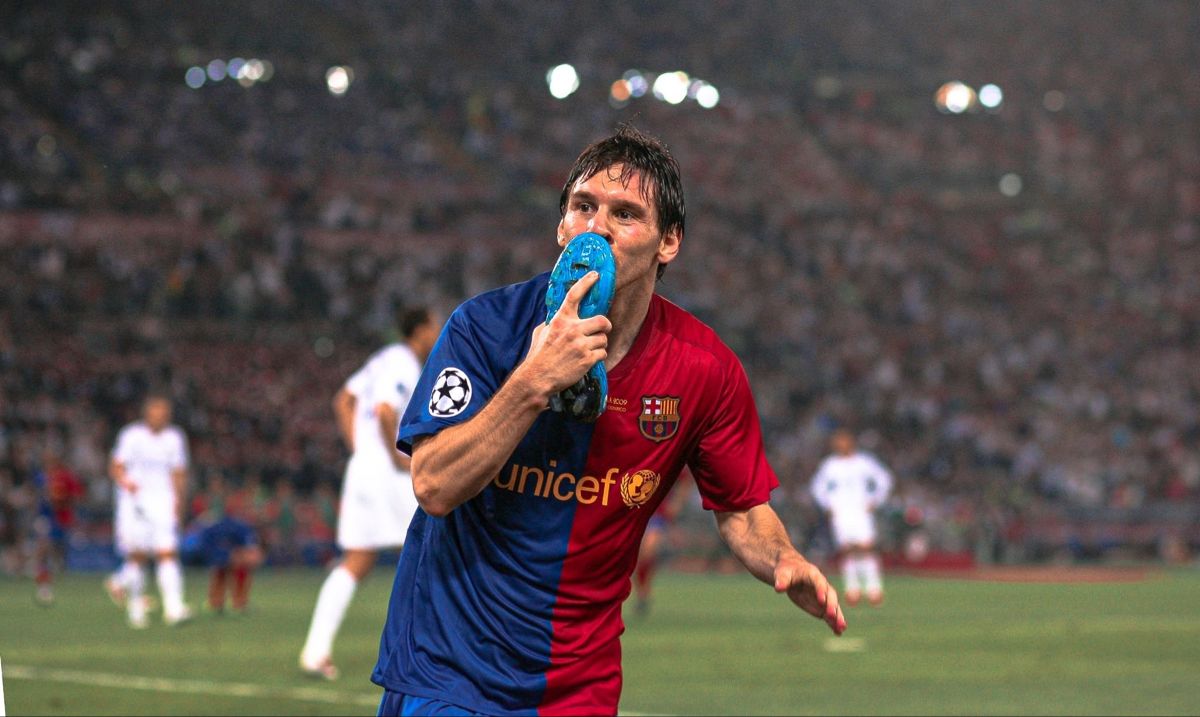
Messi celebrated by kissing his boot, 2009

  • On May 27, 2009, the UEFA Champions League final was held at the Stadio Olimpico in Rome, with Barcelona facing Manchester United. Messi scored a rare header to help Barça secure a 2-0 victory and complete the treble. He celebrated by kissing his boot, creating an iconic moment.

Quote

  • You can’t see the picture when you’re inside the frame.

Follow Your Heart, Leave the Rest to Fate

In this noisy age of information overload and infinite choices, we often find ourselves torn between “right” and “wrong,” anxious over success and failure, caught in the tug-of-war between “what others expect of me” and “what I truly want.” But perhaps, the only thing truly worth holding on to is this: do what you believe is right—what aligns with your values, what feels genuine and brings you peace.

Many spend a lifetime chasing after the so-called “correct” standards, while overlooking the importance of inner peace. What is deemed “right” is often defined by others, but what feels “at ease” is the soul’s honest response. You can choose to conform to expectations, or you can choose to listen to the voice within. The most powerful decisions are never about blindly following standards, but about being true to yourself.

Be a good person—not because it guarantees rewards, but because that’s how you avoid losing sleep at night, questioning your conscience. Not to earn applause, but to live with no regrets. You don’t need to optimize every decision for the “best outcome”; you only need to make sure that in the process, your heart remains at peace. The rest—leave to luck, leave to fate.

People often believe that good will be rewarded and evil punished, but reality rarely follows such scripts. You may act with kindness and integrity, yet still face misunderstanding, judgment, or failure. Others may scheme and manipulate their way to apparent success. If we only judge by results, it seems whoever wins is right, and success alone earns admiration.

But that logic is far too cold. If outcomes are the only standard, does that justify every shortcut and betrayal of conscience? Then what’s the point of being a good person at all?

Being good isn’t about guaranteed rewards—it’s about being the kind of person you want to be. Even if the outcome isn’t ideal, you’ll know you stood for what’s right. But if you choose deceit, no matter how impressive the result, the price may be an inner emptiness, lasting anxiety, or becoming someone you no longer recognize.

So don’t obsess over outcomes. Sometimes good people face bad outcomes, and bad people get good ones—fate isn’t always fair. What truly matters is how you got there. Can you, in the stillness of night, say to yourself, “I stayed true to my judgment”?

In the end, there’s very little we can actually control in life. What’s worth striving for is to be a person who is honest, clear-minded, gentle, and firm. Don’t live according to someone else’s script. Don’t betray your heart for short-term gain. Don’t let societal norms devour your unique values. Do what you believe in, and live with peace of mind.

And the rest? Leave it to fate. It may be indifferent, but it favors no one. All you can do is play your part well and guard your own boundaries. Whether life flows smooth or rough, whether you win or lose, it’s all just a part of the journey.

And when you look back, if you can softly say, “I didn’t betray myself,” then that, in itself, is a profound success.


✦ Key Takeaways ✦

  • ✅ Stay true to what you believe is right, meaningful, and aligned with your values
  • ✅ Be a good person—not for the rewards, but for peace of mind
  • ✅ The outcome may not be fair; the process defines who you are
  • ✅ Success isn’t the only goal—inner peace is the real triumph
  • ✅ Live with clarity and integrity; let fate take care of the rest

Picture

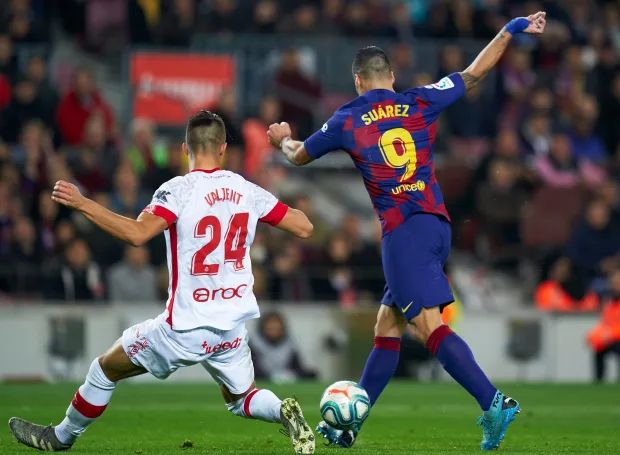
Suárez scored a brilliant backheel goal, 2019

  • On December 7, 2019, in the 16th round of La Liga, Barcelona hosted Mallorca. Suárez scored a brilliant backheel goal against Raillo at Camp Nou, and Barcelona ultimately won 5-2.

Quote

  • Let go of the outcome. Trust the process.

A Rational Deconstruction of Parental “Grace”: The Nature of Responsibility and the Myth of Gratitude

Traditional thought holds that giving birth to and raising children is a monumental act of kindness, one that children must repay with lifelong gratitude. This “theory of parental grace” has long dominated our ethical and emotional views, suppressing individual autonomy and turning filial piety into a form of moral coercion. However, both logically and practically, this notion does not hold up to scrutiny.


1. Birth Is a Choice, Not a Favor

Most people have children not out of consideration for the child’s well-being, but due to instinct, social pressure, emotional need, or even by accident. Bringing a child into the world is a decision made entirely by the parents—one in which the child had no say. Since the child is a passive result of this choice, they should not be passively burdened with an obligation to be grateful.

Logically speaking, a non-existent person cannot request to be born. Without a request, how can there be a favor? A “favor” implies a conscious act of giving in response to another’s need. Clearly, reproduction does not meet this definition.


2. Parental Responsibility Outweighs Filial Obligation

As the Chinese thinker Hu Shi once said: “By bringing him into the world, we have taken on a responsibility toward him.” Parenthood inherently comes with duties—to nurture, protect, and support. These are not acts of kindness, but consequences of a chosen action. Framing responsibility as a favor is an ethical sleight of hand—transforming a duty into a moral debt that the child is expected to repay.

Raising a child is not an act of charity. Just as owning a dog does not entitle someone to its gratitude, raising a child does not entitle parents to repayment.


3. “Gratitude” as a Tool of Emotional Manipulation

The phrase “You should be grateful—I raised you” is, at its core, emotional blackmail. It transforms familial love into a debt relationship, trapping children in a lifelong sense of psychological obligation and stunting their personal autonomy. In many families, this so-called “grace” becomes a convenient justification for controlling the child’s life and limiting their freedom.

Love and respect should be earned through character and action, not granted automatically due to biological ties. As Luo Yonghao bluntly put it, “If my parents are assholes, I won’t love them.” While harsh, it underscores a truth: blood alone is not a moral exemption.


4. Individual Autonomy Over Bloodline Worship

Hu Shi once wrote to his son: “I am not your prequel, and you are not my sequel.” This statement reflects a deep respect for his child’s individuality and serves as a direct challenge to the idea of parental supremacy. Children are not extensions of their parents’ moral legacy, nor are they instruments for fulfilling parental desires. Every person is a complete and autonomous being, entitled to their own choices and way of life.


5. Conclusion: No Favor, No Debt

Parents deserve love and respect only if their actions and character warrant it—not merely because they gave birth to you. Emotional bonds can be cultivated, but never demanded. Reproduction is a choice, parenting is a responsibility, and affection is a result—not a transaction.

The so-called “theory of parental grace” is not a moral truth but a tool for maintaining order in traditional societies. To question it is not to reject one’s parents, but to restore the true nature of human relationships—placing love and duty back where they belong.


Picture

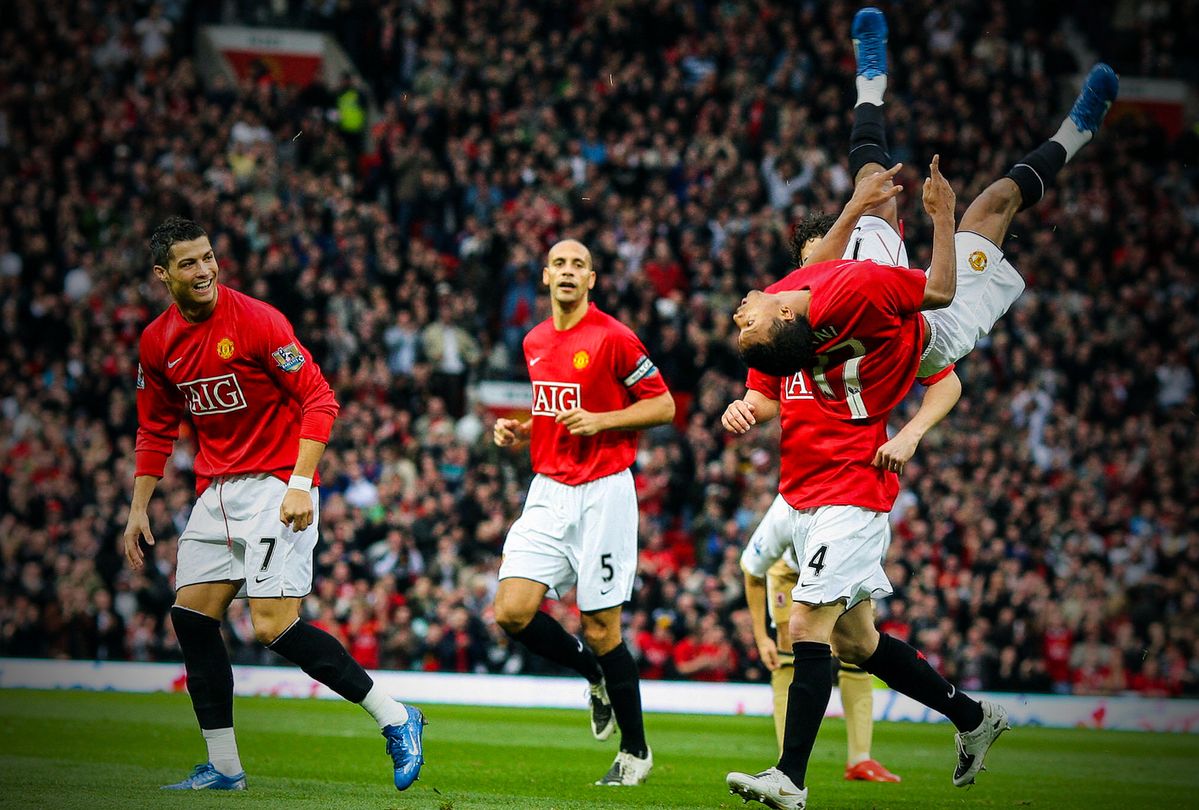
Nani celebrated with a trademark backflip, 2007

  • On October 27, 2007, in Premier League Round 11, Manchester United secured their eighth straight win with a 4-1 home victory over Middlesbrough. Nani opened the scoring with a stunning long-range strike and celebrated with a trademark backflip, while Rooney contributed one goal and two assists, and Tevez scored twice.

Quote

  • “Life is not a gift if it comes with strings attached.”

The Heroization of the Early-Deceased: An Analysis of Social Psychology and Cultural Construction

In modern society, many individuals regarded as “great” are often endowed with extraordinary symbolic significance due to their premature death. The early death of a person tends to freeze their image in public memory, transforming them into immortal icons. This phenomenon involves not only individual historical contributions but also reveals deeper mechanisms of social psychology and the construction of cultural symbols. This article aims to explore how early-deceased figures are idealized under the influence of collective psychology and become cultural symbols, analyzing the psychological mechanisms and social functions behind this phenomenon.

I. The Relationship Between Early Death and Idealization

The premature death of a figure effectively freezes their life at a particular moment—usually a highlight of their achievements or a peak of moral or spiritual expression. Compared to their contemporaries, early-deceased individuals do not face the ongoing complexities of life and reality; thus, they are not exposed to the risk of revealing flaws or internal conflicts. Death “freezes” their image, and this freezing effect leads them to be remembered as idealized beings rather than multidimensional individuals. In the collective memory of society, early-deceased figures easily become symbols of “perfection,” devoid of critical reflection on their complexity.

This phenomenon is widespread in both historical and contemporary contexts. From literature to real life, early-deceased individuals are frequently imbued with noble and pure qualities, becoming moral exemplars. Many heroic characters in literature die at the pinnacle of their lives, and the timing of their death further magnifies their image, making them unforgettable. In real life, the public often heroizes the early-deceased, interpreting their unfinished careers or unrealized futures as eternal “regrets” that paradoxically enhance their spiritual significance.

II. Society’s Need for Heroes

At certain historical moments or within specific social contexts, the public’s need for heroes becomes particularly intense. The process of heroization is a response to this need. Society shapes heroic figures to seek a sense of identity, emotional anchoring, or moral guidance. Early-deceased individuals often serve as ideal carriers of such hero images, especially when their deaths are closely tied to social conflicts or political events, which endow their passing with a symbolic meaning.

The need for heroes goes beyond recognizing individual virtues; it reflects a yearning for societal ideals. When societies face challenges or crises, people tend to look to individuals as sources of inspiration or moral strength. The actions, choices, and words of early-deceased figures often resonate deeply with core societal values. Thus, when these individuals die, society readily elevates them as symbols of greatness. Heroization, then, becomes both a tribute to individual behavior and an affirmation of collective ideals.

III. Unfinished Greatness and Symbolic Construction

The magnification of greatness in early-deceased individuals is partly due to the “unfinished” nature of their lives. This sense of incompleteness gives rise to a perception of “infinite potential.” Because their lives are cut short, their futures become an imaginative space for the public, allowing their image to remain pure and idealized. Without the exposure to flaws or the messiness of growth, society freezes these individuals in their most “perfect” state. This idealization endows them with symbolic significance.

This phenomenon reflects not only on individuals but also on the mechanisms of cultural symbol-making. Unfinished greatness often becomes a projection of social ideals, symbolizing potential and infinite possibilities. In these figures, society sees unfulfilled dreams and aspirations. Their premature death enriches their image and makes it more powerful. As a result, early-deceased figures are often imbued with profound cultural meaning, becoming symbols of a particular historical stage.

IV. Emotional Reasoning and the Shaping of Collective Memory

Emotional reasoning refers to the tendency to rely more on emotional responses than rational analysis in certain situations. The heroization of early-deceased individuals is a manifestation of this phenomenon. Faced with these figures, the public often struggles to confront the complexities behind their deaths, and instead leans toward idealization. Emotional responses frequently exaggerate a person’s virtues while overlooking their flaws or contradictions.

The shaping of collective memory also plays a crucial role in this process. Through selective memory and narrative transmission, society gradually crafts the image of early-deceased figures into cultural symbols. These individuals are endowed with specific symbolic meanings that go beyond their actual historical contributions, evolving into broader markers of cultural identity. This construction of collective memory transforms early-deceased figures into icons of history, rather than merely individual persons.

V. The Far-Reaching Impact of Heroization

While the heroization of early-deceased individuals offers emotional comfort and a sense of identity for society, it also reveals underlying mechanisms worth examining. The process of idealization often oversimplifies individuals, ignoring their complexity and multidimensional nature. In turning these individuals into one-dimensional symbols, society may also overlook the broader social structures and contexts that shaped their lives.

Another consequence of this phenomenon is that it may obscure deeper societal issues. When an early-deceased figure becomes a heroic symbol, society tends to frame their tragedy as an individual event rather than examining it within a broader sociopolitical context. While emotional responses can offer short-term solace, they may fail to address the root causes of needed social change.

Conclusion

The heroization of early-deceased figures is both a natural result of psychological processes and a product of cultural symbol construction. Through their idealization, society finds emotional anchorage and affirms shared values. However, this phenomenon also serves as a reminder that behind every heroized figure lies a risk of oversimplification and avoidance of reality. Maintaining rationality and critical reflection while honoring and remembering historical figures may be the key to a more meaningful engagement with the past.


Picture

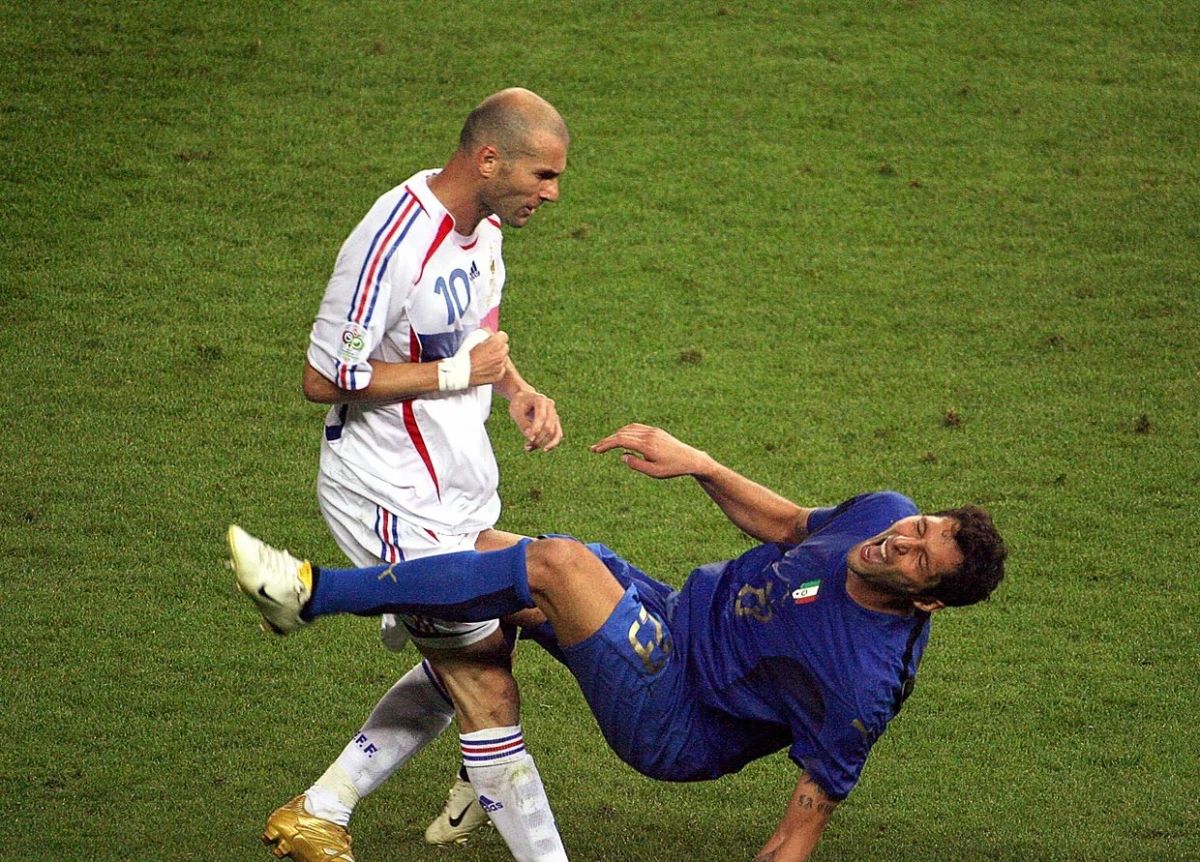
French captain Zinedine Zidane headbutted Italian player Marco Materazzi, 2006

  • On July 9, 2006, at the Olympiastadion in Berlin, during extra time of the FIFA World Cup Final, French captain Zinedine Zidane headbutted Italian player Marco Materazzi in the chest and was shown a straight red card.

Quote

  • To die young is to be forever remembered as young.

So Far, So Near: The Tangible Moments of Death

For most people, death is a distant, abstract concept. We speak of it casually—“when the time comes,” “after a hundred years”—as if it’s a concern for some far-off future. But in certain moments when life is truly shaken, death suddenly feels near. Uncomfortably near. Near enough to suffocate. Near enough to make us realize that between us and the end lies only a breath, an accident, a message out of nowhere.

I. From “Hearing About It” to “Feeling It”: The First Encounter with Death

When we experience the death of a relative as children, we are often passive observers, with little comprehension of what’s happening. Adults whisper through tears, wear solemn expressions, and bring us along to funerals. But we don’t yet understand the weight of the word “goodbye.” Back then, death was like a distant storm in a fairy tale—we’d heard of it, but never truly felt it.

It wasn’t until adulthood that death pierced the surface of life and struck directly into our emotional core.

Shortly after graduating from college, I heard that a former middle school classmate had passed away. The shock wasn’t because we were close, but because he was young—just like me—barely starting out in life. How could it all end so suddenly? That was the first time I truly felt the proximity of death—not as something that only happens to the elderly, but as something that could take away anyone around me, at any time, perhaps even myself.

II. The Death of Icons: Breaking the Myth of Invincibility

The second time death truly hit me was the year Kobe Bryant passed away. He was a global legend, admired by millions. His sudden death in a helicopter crash, shortly after retirement and seemingly at the height of life, left the world stunned.

We subconsciously believe that the strong—celebrities, athletes, heroes—are immune to death. They appear healthy, wealthy, surrounded by teams and doctors. But death spares no one. The abrupt disappearance of someone so iconic shattered the illusion that we can somehow control our fate.

III. The Passing of the Old: The Relentless Wheel of Time

On Jackie Chan’s Weibo, you often see farewell messages to his peers. Once a superstar known for his vitality and fearless stunts, his social media is now a place for goodbyes. Line by line, he bids farewell. And line by line, we are reminded: they are aging.

My father once told me he was removing some people from his WeChat contacts. I thought he was cutting ties or downsizing his social circle. But he said, quietly, “They’ve passed away. Seeing their names there just feels wrong.” In that moment, I realized that as we grow older, our contact lists slowly become registers of absence—names still there, but lives no longer behind them.

The recent passing of Chua Lam, a flamboyant food critic and cultural figure, further underscored this sense of closure. A man who lived fully, never married, and left behind no children—yet his lifestyle and voice were unmistakable. His quiet departure felt like the curtain closing on a certain kind of era.

IV. When the Young Die: A Deeper Sense of Powerlessness

The most heartbreaking recent news was the sudden death of Liverpool forward Diogo Jota in a car accident at just 28 years old. Young, healthy, with a bright career ahead—his life should have stretched wide open before him. But again, death arrived without warning. One accident, one announcement, and every possibility was erased.

Unlike illness, which may come with signs or a process of deterioration, sudden tragedies leave no room to prepare. They feel brutally unfair. One day you’re running on the pitch, the next you’re gone. Death waits at the corners of ordinary life—silent, unseen.

V. So Far, So Near

So, is death far away, or close at hand?

It feels distant—something for philosophers to debate, something only the elderly need to consider, or something that belongs to war zones and hospital beds. But it is also deeply personal, right beside us. It arrives in a social media post, a name in the group chat, a phone call in the night. Every time it gets close, we’re startled to realize: it has always been here, just out of sight.

From a rational perspective, death is the inevitable conclusion to every life. It follows no schedule, no rules of fairness. It is not deterred by youth, wealth, fame, or preparation. It is the one certainty written into the contract of being alive.

What makes death so powerful is not merely its arrival, but our tendency to forget it exists. When it forces us to face it, death becomes the clearest outline in the mirror of life—compelling us to reflect, to reconsider what it means to live, and what truly matters in the time we’re given.


Picture

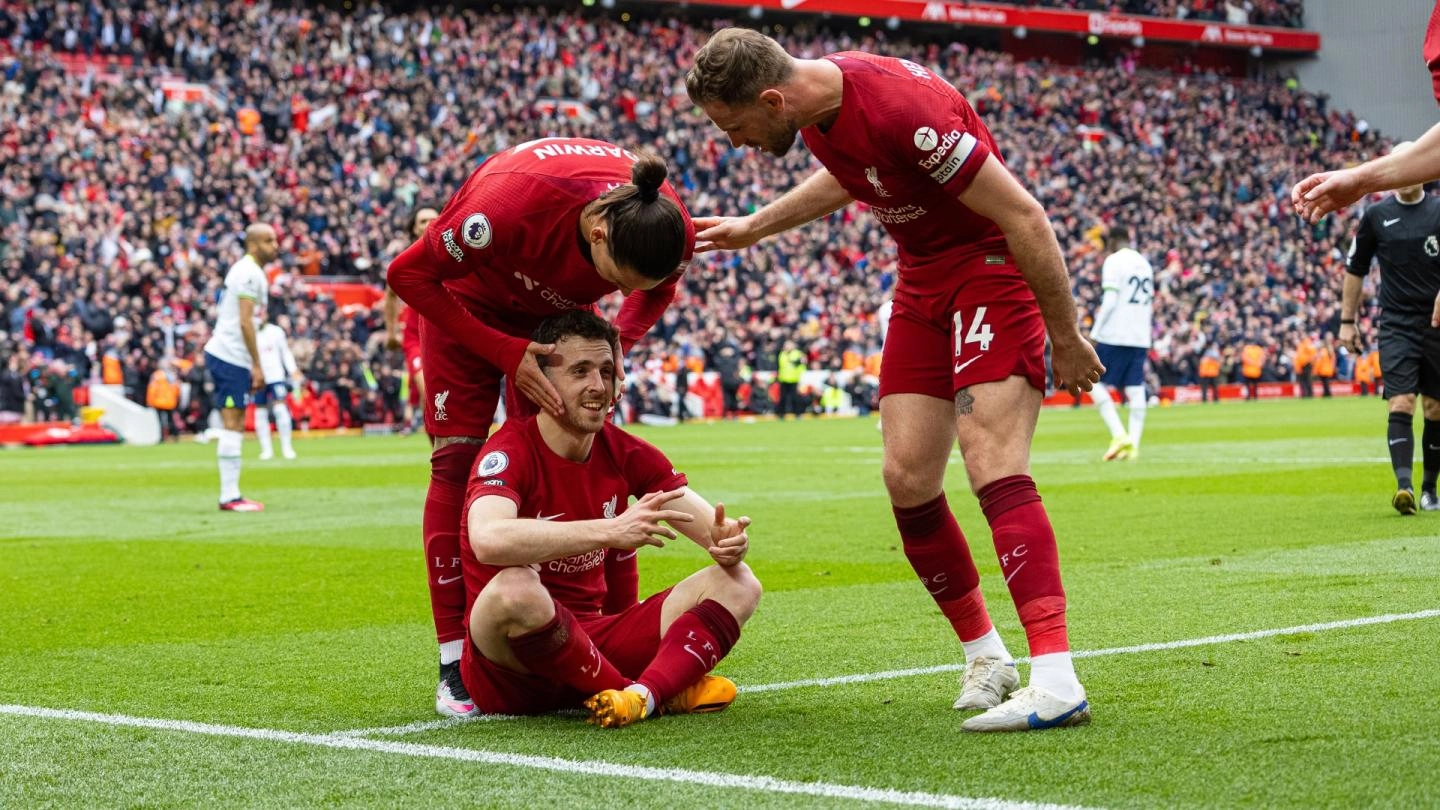
Diogo Jota scored a stoppage-time winner , 2023

  • On April 30, 2023, in the 34th round of the Premier League, Liverpool hosted Tottenham at Anfield. Diogo Jota scored a stoppage-time winner in the 94th minute to seal a dramatic 4-3 victory.

Quote

  • Death is not the opposite of life, but a part of it.

Prisoner of Higher Dimensions

I’ve spent my whole life chasing higher dimensions, yet remain trapped in the mundane dilemmas of everyday existence.

I once tried to step outside of time, to see clearly the logic and causality of everything—mapping every stage of life into a web of interwoven dimensions, like a complex star chart. But reality kept pulling me back to the most primitive layer, where survival is ruled by biology, and days blur into routines. In the end, I became a prisoner of the flesh.

Among crowds, I drift like a shadow, always playing the role that fits their expectations—upholding the order of the world while silencing the pulse of freedom within me. And gradually, I began to wonder: is this body a vessel that carries me, or a cage that confines me?

Perhaps I have never truly lived—only learned how to disguise myself among others.


Picture

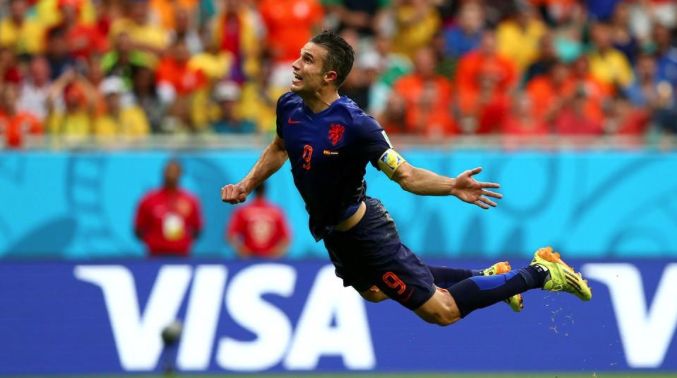
Robin van Persie scored a stunning diving header, 2014

  • On June 13, 2014, during the World Cup group stage, Dutch forward Robin van Persie scored a stunning diving header, helping the Netherlands to a 5–1 victory over defending champions Spain.

Quote

  • Man is born free, and everywhere he is in chains.

A Rational Analysis of Life Trajectories

In the long journey of life, people often unconsciously rank and evaluate their personal experiences. This ranking is not merely a retrospective review of the past, but a deep reflection on happiness and the meaning of life. So, how can we rationally analyze different life trajectory patterns?


I. Types of Life Trajectories

From a temporal perspective, life trajectories can generally be classified into the following typical patterns:

  1. Good Start, Bad End: Early life goes smoothly, but circumstances decline in later years.
  2. Bad Start, Good End: Life begins with hardships, but gradually improves in old age.
  3. Steady Development: A stable life with few significant ups and downs.
  4. Fluctuating Path: A life full of unpredictable highs and lows.

Though these patterns may seem equivalent, each can profoundly affect an individual’s psychological experience and overall happiness. Let’s explore this through psychological theories, value perspectives, and real-world examples.


II. Psychological Perspectives: Biases in Memory and Experience

1. Peak-End Rule

Proposed by Nobel laureate Daniel Kahneman, this theory suggests that people’s overall memory of an experience is largely shaped by two key factors: the emotional intensity of the peak moment and the emotional state at the end.

  • Good Start, Bad End: If the peak of life is in the early years but hardship follows, the overall memory may be negative, despite notable achievements.
  • Bad Start, Good End: Even with early struggles, a positive ending often leads to a more favorable evaluation of one’s entire life.

2. Temporal Discounting

  • Definition: People are more sensitive to immediate happiness and satisfaction, while future pleasure tends to be “discounted” or undervalued.

  • Impact:

    • A Good Start, Bad End may deliver early gratification and a sense of achievement, making the overall perception still positive.
    • A Bad Start, Good End requires stronger delay-of-gratification abilities and confidence in the future.

III. Values and Perceptions of Happiness

1. Inner Fulfillment vs. External Rewards

  • Inner Fulfillment: Some individuals derive lasting happiness from long-term goals and internal meaning—often those who find purpose in adversity.
  • External Rewards: Others prioritize immediate success and external recognition, and thus find happiness more readily during early achievements.

2. Life Stages and Shifting Needs

  • In youth, people tend to value external achievements and social approval.
  • As they age, inner peace and life meaning become more important.
  • Consequently, even if life improves in later years, it may not fully compensate for earlier regrets.

IV. Risk and Loss Aversion

1. Loss Aversion

  • Definition: People are generally more sensitive to losses than to gains of equal value.

  • Impact:

    • Good Start, Bad End can trigger a stronger sense of “loss,” as losing former happiness is often more painful than gaining new happiness.
    • Bad Start, Good End—though ending well—requires long-term emotional resilience.

2. Psychological Safety and Uncertainty

  • Bad Start, Good End involves prolonged uncertainty and psychological stress.
  • Good Start, Bad End can provide early psychological security; even if things decline, one may retain a sense of control.

V. Real-World Examples

  • Historical Figures: Leaders like Winston Churchill and Abraham Lincoln faced early failures and setbacks but later achieved great historical recognition.
  • Everyday People: Many entrepreneurs endure hardships in the early stages of their ventures and enjoy success later in life—stories often seen as inspirational.

VI. Key Takeaways

  • Psychological Resilience: A Bad Start, Good End requires greater emotional strength and the ability to delay gratification—ideal for those who can endure and grow through hardship.
  • Long-Term Value Orientation: Those focused on long-term meaning may find Bad Start, Good End more fulfilling.
  • Immediate Gratification: For those who prioritize present happiness, Good Start, Bad End might better align with their perception of a “happy life.”

VII. Final Reflection

There is no definitive right or wrong life trajectory. The key lies in understanding your personal values, psychological traits, and expectations for the future. Perhaps, that is the true essence of defining happiness.


Picture

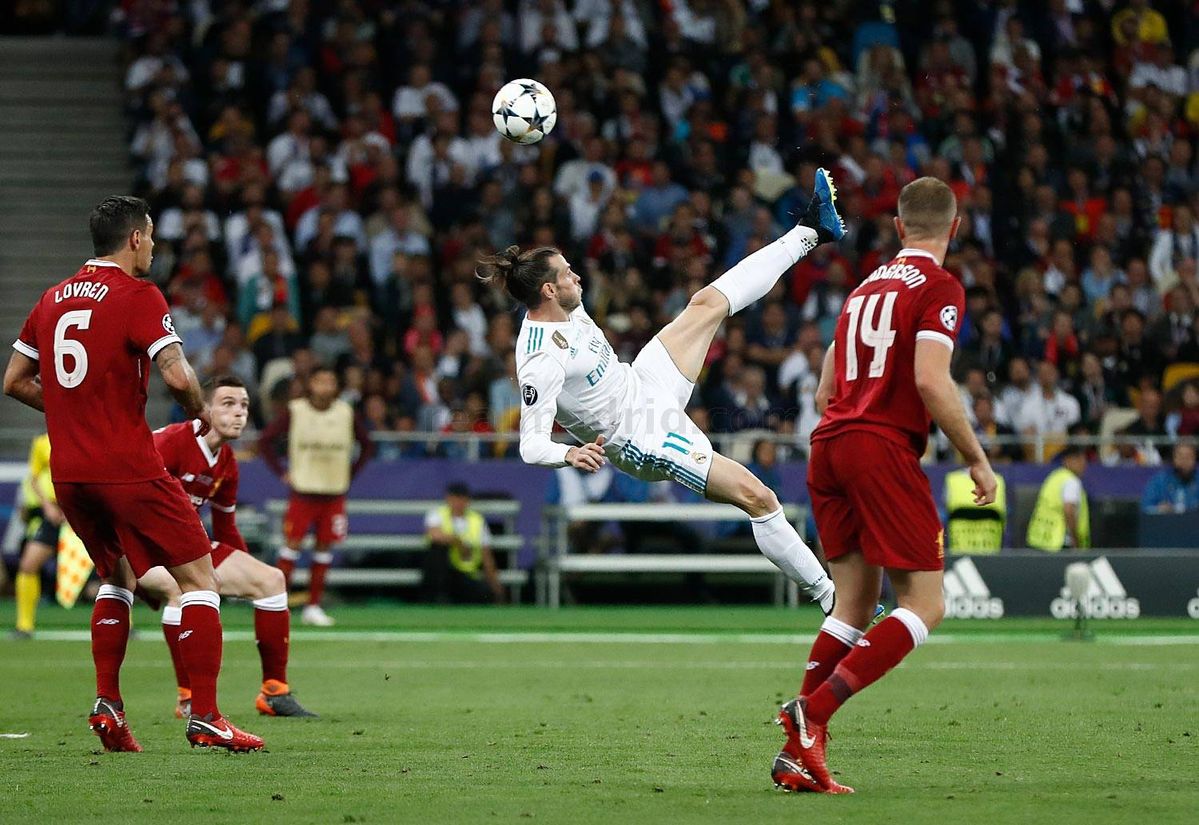
Gareth Bale scored an iconic bicycle kick goal , 2018

  • On May 26, 2018, in the UEFA Champions League Final held in Kyiv, Gareth Bale scored an iconic bicycle kick goal against Liverpool, helping Real Madrid secure a 3-1 victory and claim their 13th European title.

Quote

  • Every man has his secret sorrows which the world knows not; and often we call a man cold when he is only sad.