After Seeing Many Graves, One Learns to Be at Peace

As the years go by, many people—having endured pain and helplessness in life—find themselves drawn, almost unconsciously, toward history, artifacts, and ancient tombs. This interest is not driven by curiosity alone, but rather a deeper psychological response: an individual’s reflection on history and the meaning of life, rooted in personal experience.

This transformation carries multiple layers of awakening and understanding.


1. From Life Experience to Resonance with History

In moments of suffering and loss of control, people often seek a form of spiritual support that transcends the present. Tombs and artifacts—seemingly remote and silent—offer a gaze across time. In a grave, we see not only the endpoint of death but also a reminder of life’s true scale.

When you look at remains and burial objects from a thousand years ago, you realize: the trivial worries and obsessions that consume us today are not worth clinging to. In the vast river of time, they hardly qualify as “important.”


2. Gazing at Dust: The Awareness of Death and the Measure of Life

“To return to dust” is not a pessimistic surrender, but a profound insight into life’s final destination.

Objects, patterns, and murals in ancient tombs silently narrate stories of past glory and decline. No matter how powerful or dominant someone was in life, all eventually return to stillness. This “aesthetics of dust” helps us grasp life’s finitude and fragility, reminding us that if we are destined to vanish, then our choices while alive matter all the more.

This is the awakening of “death awareness.” As Heidegger put it, genuine existence comes from “being-toward-death.” It is not about fearing death, but about recognizing the inevitability of the end in order to re-evaluate the meaning of the present moment and our choices.


3. The Awakening of a Historical Sense in Maturity

“As children, history feels distant,” because young lives lack depth, experience is shallow, and perspectives are narrow. Youth are easily driven by immediate emotions and desires, making “history” and “time” seem remote and unreal.

But once we have weathered storms and faced impermanence, we begin to understand: history is not merely dates in a textbook, but a force that runs through life itself. It is silent, yet constantly shaping our thoughts and our being.


4. Seeing Ourselves Through the World of the Ancients

Standing before an ancient tomb, staring at the patterns worn by centuries, our minds inevitably drift back to that era. In that moment, we are no longer just modern individuals but beings capable of resonating with people who lived a thousand years ago.

They too once yearned for splendor, feared aging, clung to meaning. Now they sleep, while we walk. This sense of empathy that transcends time deepens our understanding of life itself.

A tomb is not a symbol of death, but evidence that human beings once lived, struggled, and loved with intensity.


5. The Ultimate Perspective: From Struggle to Acceptance

“To see many graves and grow calm” does not mean indifference but a profound compassion. It signifies that you have come to realize: many entanglements are not worth a lifetime’s energy; many conflicts will fade into silence with the passing of years.

This transformation of mind is not an escape. It emerges naturally once you place emotions into the vessel of time and history, allowing them to “settle,” and what remains is a loosening, a release.


6. Conclusion: What Seems Somber Is Actually Life’s Tenderness and Clarity

What history, tombs, and artifacts give us is never an excuse to escape reality, but a sense of scale. They help us re-examine: what is truly important, what can be let go, and what is worth holding onto.

Sometimes, only by passing through time can we truly return to the present.
Sometimes, only by seeing dust can we better see the light of life.


Picture
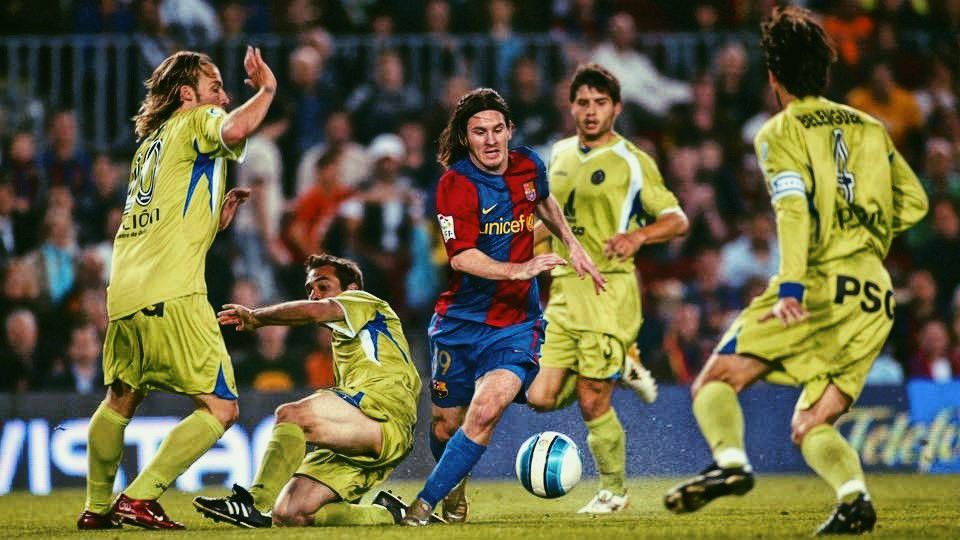
19-year-old Messi scored a legendary goal, 2007

  • On April 18, 2007, in the Copa del Rey semifinal first leg at Camp Nou against Getafe, a 19-year-old Messi scored a legendary goal after dribbling past multiple players from midfield, hailed as the “New Maradona Goal.”

Quote

  • All that we are is the result of what we have thought.
When Did We Start Seeing Life Again Amid Our Career Hustle?

After years of intense striving and being consumed by anxiety, many of us come to a sudden realization:
We haven’t truly lived in a long time.

Someone once said:
“These past few years, work was so busy that I didn’t have the energy to take photos, let alone record anything. Now that I’m older and my career has plateaued, I’ve finally started documenting life again. Maybe it’s compromise, or maybe it’s reconciliation with myself.”

This sentiment isn’t rare—it’s a shared awakening for many in the middle chapters of life.
Shifting from career obsession to noticing life’s details isn’t a sign of defeat, but rather an internal loosening, a transition from anxiety to clarity.


1. From “Chasing Career” to “Recording Life”: A Shift in Mindset

In our youth, time felt like a scarce resource. Every minute had to be used for “progress” or “proving ourselves.”
Things like taking photos, going for walks, daydreaming, or journaling were dismissed as “wasting time.”

But as we mature and our careers stabilize—or when we realize this might be as far as it goes—we finally allow ourselves to slow down and look back at our own lives.
This isn’t compromise. It’s awakening.

Documenting life isn’t a consolation prize for failure—it’s an invitation to meet your true self.


2. Experiencing Life Isn’t Opposed to Ambition—It’s a Matter of Balance

Many people believe that pursuing a career and enjoying life are mutually exclusive—that pouring yourself into work means sacrificing quality of life, and savoring life means giving up ambition.
This is a misleading zero-sum mindset.

In truth, the two aren’t in conflict. The conflict lies in our unbalanced mental state when we’re running too fast.

  • It’s not the scenery that distracts the runner—it’s the runner who forgets to look;
  • It’s not effort that strips away our sensitivity—it’s anxiety redefining what effort means.

In other words, you absolutely can chase dreams passionately and live attentively at the same time.
You can be scribbling away late at night and still capture the golden light of dusk in a photo.
You can listen to work podcasts on your commute and still allow yourself a few minutes to daydream.

Career is part of life. Experience is its texture. You don’t need to sacrifice one for the other.


3. The Meaning of Recording: Turning Process into Presence

Recording life isn’t about showing off or gaining attention.
It’s a way to respond to yourself.
It’s a gentle reminder: You existed—authentically—on this earth.

Beyond memory, it brings deeper meanings:

  • Regaining control – When you can’t control your career highs and lows, you can still choose what to capture and how to interpret each day.
  • Enhancing presence – Even a ray of light, a cup of tea, or a short evening walk becomes real and meaningful once it’s recorded.
  • Comfort for your future self – In tough times, flipping through fragments of past moments reminds you that you were achieving something—you just moved too fast to notice.

4. A Message to You: Slowing Down Isn’t Failure

“That’s just how my career turned out” — this phrase may sound resigned, but it holds wisdom too:
You’ve finally stopped using anxiety as your sole source of momentum.

You’ve learned to set boundaries, to know when to pause and when to take care of yourself.
This isn’t passivity—it’s a mature way of cherishing the present.

Stop chasing “not good enough.”
You’re already doing well.


5. You’re Not Recording for Others, But for the You Who Was Overlooked

Many resist documenting their lives because they feel it’s too plain or worry others will think they’re showing off.
But what really matters is:
Can you find strength or comfort in these fragments?

Recording is a form of self-healing.
It’s a tender way of saying to yourself:
“You’ve come this far, and even if no one sees it, I do—and I’ll remember it.”


In Summary

Life’s constant rush once made us forget how to live.
But recording helps us reconnect with ourselves.
It’s not a reluctant compromise—it’s a conscious, mature choice.

Career and life experience have never been enemies.
If you’re willing to shift your mindset—bringing your ability to feel back into the everyday and letting your real self set the pace—
Life can still be gentle, rich, and full of strength.

You don’t start recording because life suddenly got better.
You start because you finally decided to treat it—and yourself—with softness.


Picture

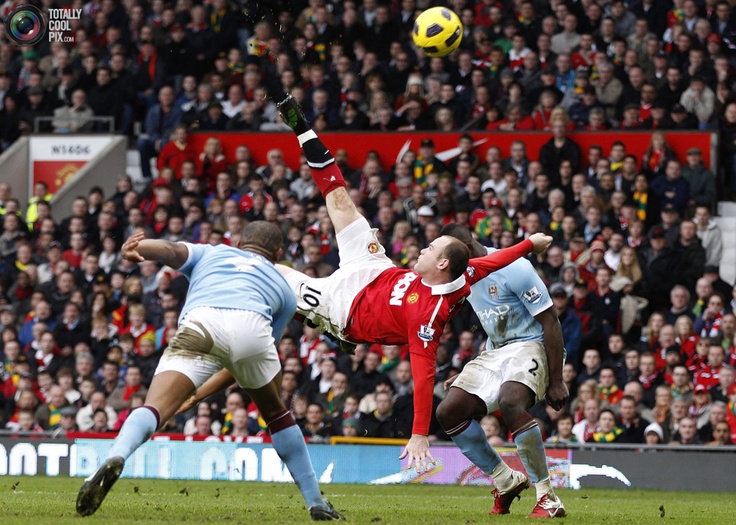
Wayne Rooney scored a stunning overhead kick against Manchester City, 2011

  • On February 12, 2011, Manchester United’s Wayne Rooney scored a stunning overhead kick against Manchester City at Old Trafford, widely regarded as one of the greatest goals in Premier League history.

Quote

  • We write to taste life twice, in the moment and in retrospect.