为什么我们总是怀念过去?——关于记忆、时间与身份的心理机制

一、引言:怀旧的悖论

人类大脑具备一个奇妙的倾向:在最应该向前看的年纪,却频频回望身后。二三十岁的人常说:“那时候真好”,哪怕过去的生活并不完美,也仍会被不自觉地“理想化”。

这种怀旧不是偶发的情绪,而是一种复杂的心理现象,连接着记忆机制、自我建构、时间感知与存在焦虑。理解这种现象,不仅能帮助我们更清楚地认识自己,也触及了“人为何成为人”这一深层问题。


二、大脑如何处理时间与记忆

1. 记忆不是记录,而是重构

  • 神经科学已证实,人类记忆并非如硬盘那样精确存储,而是每次回忆时都在重新建构
  • 这种机制允许我们对记忆进行情绪化加工,尤其是在当下生活不如意时,过去会被加工成“避难所”

2. 记忆的“高峰效应”与青春期偏好

  • 研究显示,人生中记忆最清晰、回忆最频繁的时段集中在15~25岁之间,这被称为“回忆高峰期”(Reminiscence Bump)。
  • 在这段时间内,大脑处于最强的学习与体验模式,形成了无数“人生第一次”:初恋、毕业、离别、梦想等,因而赋予了极强的情感色彩与身份意义。

三、怀旧的心理功能:不仅是情绪,更是身份修复

1. 作为情绪调节机制

  • 当现实生活面临压力或失控(如毕业、职场焦虑、人际疏离),怀旧成为一种自动激活的心理防御机制,用于缓解孤独、恢复安全感
  • 研究发现,在感到社会排斥时,个体更容易怀旧,借此重建归属感与自我价值

2. 构建“连贯的自我”

  • 人类不是生活在“现在”中,而是依靠“时间性”组织生活。怀旧让我们觉得“我是有连续性的我”,过去的我是现在我的一部分。
  • 哲学家查尔斯·泰勒(Charles Taylor)称这种连贯性为“叙事身份”(narrative identity):我们透过讲述自己的过去,确认“我是谁”。

四、怀旧与时间意识:人类存在的悖论

1. 人类是唯一能反思时间的生物

  • 与其他动物不同,人类拥有未来投射能力,同时也会被过去拖拽。这使我们活在一个时间张力中。
  • 怀旧,正是时间意识的副产物。当未来不再那么确定时,过去就显得温暖、可靠。

2. 存在主义焦虑的慰藉

  • 怀旧不仅是对美好时光的回望,更是一种对“不可逆”的生命状态的感慨。
  • 这是一种“时间的忧郁”:意识到过去不可复得,青春不再,亲人渐远,而未来可能毫无把握。
  • 因此我们通过怀旧,试图赋予生命一种连续性与意义感,对抗生命本身的虚无。

五、哲学的终点:如何面对“失去”而不沉溺?

怀旧是一种人之为人的证据,但如果沉溺其中,就可能沦为逃避现实的借口。真正的成长,不是拒绝回望,而是学会带着那些记忆,走向新的未来。

正如作家村上春树所说:

“不是怀旧令人痛苦,而是怀旧背后,那个已经无法回去的自己。”


六、结语:怀旧是一种时间里的温柔抵抗

所以,人之所以怀念过去,并不是软弱,而是因为在复杂、焦虑与不确定中,我们需要一种方式确认——我们来过,我们曾经爱过,我们正在成为更完整的自己。


图片

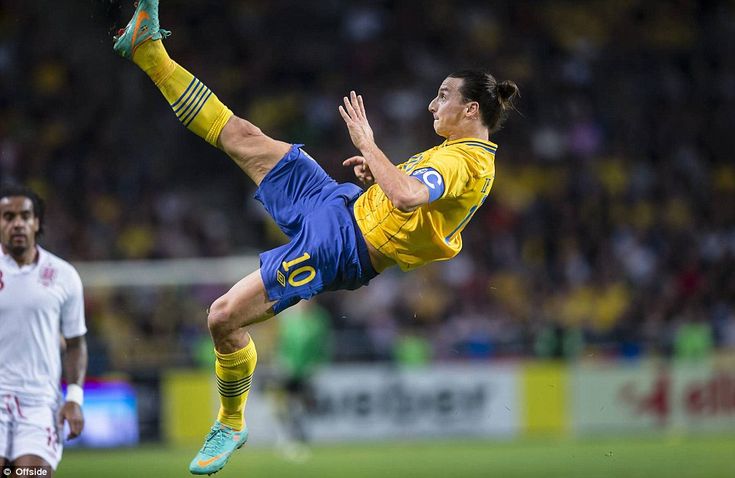
Zlatan Ibrahimović Bicycle Kick, 2012

  • 2012年11月14日,瑞典对英格兰友谊赛中,伊布拉希莫维奇在斯德哥尔摩上演惊世倒钩,距离球门近30米凌空破门,完成个人本场第四球。

名言

  • To live is the rarest thing in the world. Most people exist, that is all.
  • 生活是世上最稀少的事,大多数人只是活着,仅此而已。

Faith: A Psychological Cue or the Wisdom of Humanity?

Do we need faith?
In this age of information overload and rational thinking, the question might seem outdated. Many people instinctively equate “faith” with “superstition,” as if believing in something invisible automatically makes one unscientific or irrational. But is it really that simple?

Faith ≠ Religion

Faith does not necessarily mean religion. Religion is just one form of expressing faith. True faith is more like an internal compass—it guides how we live, how we make decisions, and how we face the uncontrollable parts of life.
For example, some believe in “hard work pays off,” others in “good karma,” or even “fate will sort itself out.” These aren’t religions, but they shape people’s behaviors and life paths.

Religion, in turn, is the systematization and ritualization of faith, passed down through tradition and culture. A well-developed religion often carries deep philosophical thought and social wisdom.

Faith as a Summary of Human Experience

Why do we form faiths?
Because humans are exceptional at recognizing patterns.

Throughout history, we’ve suffered disasters, witnessed moral failures, and also experienced acts of great wisdom and compassion. When certain behaviors are repeatedly proven effective and beneficial, we tend to distill them into belief systems—what we call faiths or religions.

Rules like “do not kill,” “respect others,” or “observe discipline” may seem simple, but they are distilled from thousands of years of collective human experience about how to live well together.

And let’s be honest—resources are limited. Not everyone can access quality education or grasp complex ethical reasoning. For many, a straightforward, unquestionable system of faith is more practical. It allows people to act correctly without needing to understand every nuance behind it.

Good Faith vs. Bad Faith

Faith itself is neutral—what matters is what it leads to.
If a faith encourages kindness, cooperation, and growth, it’s a good faith. If it promotes hatred, extremism, or harm to others, it’s a bad one.

History has seen manipulated faith systems that fueled war, division, and tragedy. But those same examples serve as a warning: without reflection and evolution, faith can become dangerous dogma.

Faith as a Psychological Tool

From another perspective, faith can also be seen as a psychological tool.
Humans are not purely rational—we need support, meaning, and something to hold on to when life gets chaotic.

In this sense, faith functions like a psychological toolbox:

  • Habits are unconscious faith in routines.
  • Tools give us the illusion of control.
  • Positive thinking is a kind of hopeful faith.
  • Even “temporarily lying to yourself” is a belief strategy to survive hard times.

When logic fails and life gets messy, faith is the rope you grab in the dark.
It may not be perfect—but it keeps you moving.

Final Thoughts

Faith isn’t a sign of ignorance—it’s an acknowledgment of human limitations.
It can be religion, philosophy, a way of life, or even just a line you repeat to yourself: “I’ll be okay.”

Faith is not anti-reason—it’s the bridge that helps reason land in everyday life.
What matters most is not whether you have faith, but whether your faith helps you become kinder, stronger, and more free.

Picture

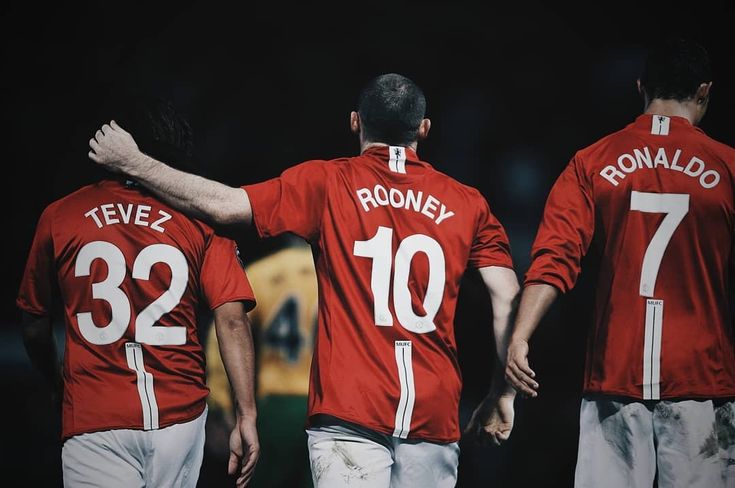
Tevez, Rooney, Ronaldo Trio, 2008

  • Wearing the iconic red of Manchester United, No. 32 Tevez, No. 10 Rooney, and No. 7 Ronaldo walk off the pitch side by side. They were the fearsome attacking trio that struck terror into every defense.

Quote

  • How many times must a man look up before he really sees the sky.

信仰:心理暗示,还是人类智慧的沉淀?

我们需要信仰吗?
在这个信息爆炸、逻辑至上的时代,这个问题似乎显得有点“过时”。很多人下意识地把“信仰”当成“迷信”,仿佛只要相信某种无形的力量,就是不理性、不科学。但事情真的这么简单吗?

信仰,不等于宗教

信仰,不一定非得是宗教。宗教只是信仰的一种表现形式。真正的信仰更像是一种内在的“坐标系”——它指引我们怎么生活,怎么决策,怎么面对不可控的现实。比如,有人相信“努力就有回报”,有人信仰“善有善报”,也有人相信“命运自有安排”。这些都不是宗教,但却影响了无数人的行为方式和人生走向。

宗教,是把这些信仰系统化、仪式化,并通过传统和文化代代传承下来。一个优秀的宗教,往往背后都有一套深刻的哲学与社会管理智慧。

信仰是人类经验的总结

我们为什么会形成信仰?其实是因为人类太擅长总结了。

人类历史上发生过太多次灾难、冲突、失败,也出现过无数次高尚、智慧、合作的奇迹。当某些行为被反复验证为“有效”、“有益”之后,这些经验就被凝练下来,变成了一种“信念体系”,也就是我们说的信仰或宗教。

比如,“不可杀人”、“尊重他人”、“禁食”、“守戒”,这些看似简单的教义,其实是千百年来人类在不同文化下对“如何活得更好”的一次集体笔记。

而且,我们必须承认:现实资源有限,并不是所有人都能接受高质量的教育,也不是所有人都有能力理解复杂的伦理和哲理。对很多人来说,一个清晰、直接、无需推导的“信仰系统”反而更能发挥作用——它让你不需要思考,就知道什么该做,什么不能做。

坏信仰与好信仰

信仰本身不分好坏,关键在于它指向什么。如果它鼓励人向善、合作、进步,那就是好信仰;如果它鼓励仇恨、偏执、伤害他人,那就是坏信仰。

历史上不乏一些被操控的宗教或信念系统,它们曾引发战争、屠杀与分裂。但也正是这些“坏”的例子,提醒我们:信仰如果不被不断反思和更新,很容易走向极端。

信仰,其实是一种心理工具

从另一个角度看,信仰也可以是一种“心理暗示”工具。人类不是纯理性的动物,我们需要精神支撑,需要意义感,需要在混乱中找一个“锚点”。

有时候,信仰就像一个临时的心理工具箱:

  • 习惯,是一种潜移默化的信仰;
  • 工具,是让你觉得“我能掌控”;
  • 积极心态,是一种带着自我催眠的信仰;
  • 就连“暂时欺骗自己”,其实也是一种自我保护式的信念策略。

当生活陷入迷雾、理性失灵的时候,信仰就是你摸黑前行时握住的那根“绳子”。它不一定完美,但能先让你不摔倒。

结语

信仰不是落后,而是一种人类对自身有限性的承认。它可能是宗教,也可能是哲学,可能是一种生活方式,也可能只是一句你反复对自己说的“我会好起来的”。

它不是非理性,而是让理性落地的一种“心理补丁”。真正重要的,不是你有没有信仰,而是你的信仰是否让你变得更善良、更坚定、更自由。


图片

Tevez, Rooney, Ronaldo Trio, 2008

  • 身披红魔战袍,32号特维斯、10号鲁尼、7号C罗,三人并肩走下战场。他们是那支令人闻风丧胆的锋线铁三角。

名言

  • How many times must a man look up before he really sees the sky.
  • 一个人要仰望多少次才能看见蓝天。

Between Reason and Emotion: Rethinking the Relationship Between the Creator and the Creation

In today’s information-saturated world, where public figures often face backlash or “cancellation,” a recurring question emerges: When a person is no longer deemed acceptable, should we still acknowledge or use the work they helped create?

This dilemma is not merely about right or wrong—it reflects the tension between rational judgment and emotional response, and challenges our understanding of individual versus collective effort, contribution versus value.


A Creation Is Not Its Creator

First and foremost, we must distinguish between a work and its creator. Take a major platform or product, for instance—it may have been initiated or led by a well-known figure, but its development is the result of collaboration among thousands of people, from design and development to marketing and customer support.

Although a public figure may receive more visibility or benefit from such work, it is unfair and overly simplistic to equate the entire creation with that individual. Dismissing the value of a system or product purely because of personal dislike for one person may reveal a limited grasp of the complexity behind such endeavors.


The Validity of Ideas Doesn’t Depend on the Individual

Similarly, the value of ideas, theories, or methods should not be judged solely based on the moral standing of the people who popularized them. Many theories attributed to specific individuals are not their sole invention but rather the result of observation, synthesis, and articulation of broader patterns or truths.

These insights often stem from collective progress rather than personal brilliance. In other words, if one person hadn’t articulated them, someone else likely would have. Evaluating an idea’s merit should focus on its content and relevance—not who said it.


Rational Choices, Emotional Freedom

From a rational standpoint, if a product or piece of content brings value—perhaps a program that inspires or a tool that improves efficiency—it makes sense to continue using it. After all, acquiring knowledge and skills is ultimately for personal growth, and we shouldn’t let emotions overshadow that.

But emotionally, we also have the right to disengage. Maybe we dislike a person’s tone, or we no longer want to support the image they represent. That’s valid too. Emotion isn’t the opposite of reason—it’s often a natural extension of our values and a form of internal logic in itself.


Striking a Balance Between Reason and Emotion

We don’t need to reduce every judgment to a black-or-white stance. Disliking someone doesn’t mean we must reject everything they’ve done. Likewise, appreciating a piece of work doesn’t mean we endorse or idolize its creator.

We can remain critical of an individual while still recognizing the value in their contributions. We can also enjoy and learn from a creation without placing the creator on a pedestal. This isn’t hypocrisy—it’s a more nuanced, mature, and compassionate way of thinking.


Conclusion

There’s no simple equation between people and their work. Disapproval of a person doesn’t require wholesale dismissal of their contributions; valuing their work doesn’t imply blind admiration of who they are.

Finding a balance between reason and emotion might just be the most natural and steady way for us to navigate a world full of complexities and contradictions.


Picture

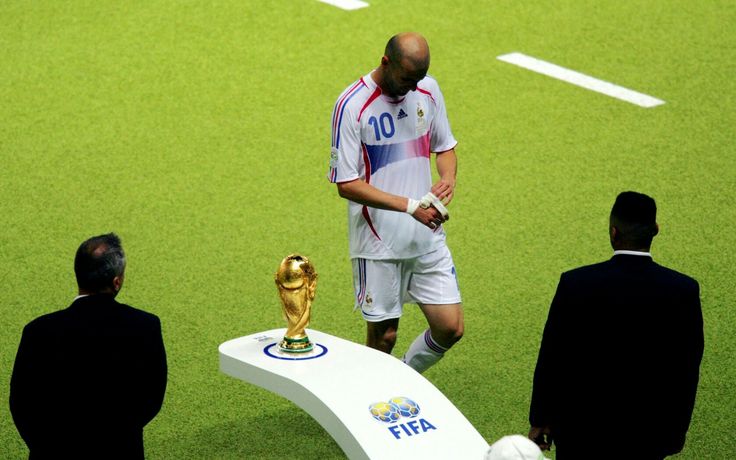
Zinedine Zidane's Final Walk, 2006

  • July 9, 2006, Berlin Olympic Stadium. In the final match of his career, Zidane was sent off with a red card and walked past the World Cup trophy he had dreamed of so many times.

Quote

  • It is difficult to free fools from the chains they revere.

在理性与感性之间:如何看待“人”与“作品”的关系

在这个信息纷杂、公众人物频频“翻车”的时代,我们时常会遇到一个问题:当一个人不再被我们认可时,我们是否还应该继续使用或肯定他所参与创造的东西?这个问题背后,其实是理性与感性的拉扯,更关系到我们如何理解个人与集体、成果与贡献之间的关系。


作品不等于创作者

首先需要分清楚的一点是:一个人参与推动的作品,并不完全等同于这个人本身。比方说,一个大型平台或产品,即使由某位公众人物发起或主导,但它的成长和完善,离不开成千上万人的努力。从研发、设计到运营、服务,它是无数人共同参与的结果。

某个代表性人物的确可能因此获得更多的关注与收益,但并不能因此就将整个作品与他个人完全画上等号。如果因为对某人的不喜欢而否认整个系统或产品的价值,可能就失去了对现实复杂性的理解。


观点的价值不因人而失效

类似地,很多观点、理论或方法的价值,也不取决于提出者本身是否完美。一些被归于特定人物名下的思想,往往并不是他们“发明”出来的,而是观察、提炼出的某些客观规律。这些规律本身的存在,并不依赖某个人是否具备道德高度或人格魅力,而是来自历史发展的共同积累。

换句话说,即使不是那个人,可能也会有人在另一个时点发现同样的东西。所以,判断一套理论是否有意义,最好还是回到它本身的内容,而不是纠缠于谁说出来的。


理性的选择,感性的自由

从理性角度看,如果某个作品、内容确实有价值,比如一个节目带来启发、一个工具提升效率,那继续使用就是合理的选择。毕竟,我们获取知识和信息,更多是为了自身成长,不必被过多情绪干扰。

但从感性出发,我们也有权选择不再接触。可能是不喜欢那个人的表达方式,也可能是不希望继续支持他所代表的某种形象。这些都无可厚非。感性并不意味着盲目,有时它只是个人价值判断的一种自然流露,也是一种内在理性的延续。


理性与感性之间的平衡

所以,我们不需要把所有判断都变成非黑即白的选择。喜欢或不喜欢一个人,不必延伸为对其所有作品的全盘接纳或彻底否定。可以理性评估每一件事的实际价值,也可以保留一些感性的决定空间。

我们可以对一个人有保留,但仍旧使用他参与过的某些成果;也可以欣赏某项创作,同时不必把创作者个人神化。这并不是矛盾,而是一种更成熟、更宽容的思维方式。


结语

人与作品之间,并没有那么简单的等号可画。讨厌一个人,不一定要否认他的全部;不否定他的作品,也不代表就完全认同他本人。在理性和感性之间找到合适的平衡点,或许才是我们面对复杂世界时更自然、更稳妥的一种姿态。


图片

Zinedine Zidane's Final Walk, 2006

  • 2006年7月9日,柏林奥林匹克体育场。齐达内在他职业生涯最后一场比赛中被红牌罚下,走过那座曾无数次梦见的大力神杯。

名言

  • It is difficult to free fools from the chains they revere.
  • 要把愚人从他们崇敬的枷锁中解放出来是很难的。

Icons, Belief, and the Ideal Self

When we’re young, we love to talk about our idols. T-Mac, Kaká, Curry, Messi, Henry… the ones who shone bright on the court or field. They ran faster, jumped higher, showed unshakable will and stunning skills. To me, they were the reflection of the kind of person I hoped to become.

But as time passed, I started to realize something important: an idol is just an idol—they are not me. I used to hope T-Mac would rise again after injuries, dreamed of Kaká returning to his AC Milan glory days. When they didn’t, I felt disappointed, even sad. It was like my emotions were tied to someone I had no influence over. I remember the Warriors’ 73-win season ending in a heartbreaking Finals loss. That emptiness lingered way too long. But now I realize how absurd it was. Letting my emotions be controlled by something I had zero control over? That’s not passion—that’s foolishness.

An idol, in essence, is just the embodiment of values we resonate with. They’re not the real person with all their complexities. They’re just a symbol—a snapshot of who we wish we could become. That doesn’t change even if their career declines or their reputation fades.

Take Lu Xun, for example. Some people adore him, others criticize him. But truth is, we all admire different versions of him—what he stood for in our own minds. If someone insults him, they might not even be attacking the version you admire. We aren’t drawn to the person, we’re drawn to the values they represent—values that mirror something within ourselves.

That’s the key: It was never about them. It was always about us.


We’re not meant to become someone else. We’re meant to become who we want to be.

And that’s when the power of the mind comes into play. Your mindset shapes everything. It’s not just motivational fluff—it’s real. When you believe in yourself, you take the first step. When you don’t, you never even try.

As Gandhi put it:
Beliefs become thoughts, thoughts become words, words become actions, actions become habits, habits become values, values become destiny.

So create a vision in your mind: “This is the person I want to be.” Imagine walking, talking, and acting like that version of yourself. Pretend you already are that person, and live like it. Bit by bit, you’ll start to become that person.


Someday, when your journey is near its end and you look back at your life, the biggest regret would be not becoming your true self. The idols you once admired? They were just lighthouses—they showed the way, but you had to take the steps yourself.

Don’t worry about whether others like your idols, or if those idols fall from grace. Because what you truly admired wasn’t them, it was the light they stood for.

Idols can be a beginning. They can be a spark. But in the end, it’s your fire that has to burn.


Picture

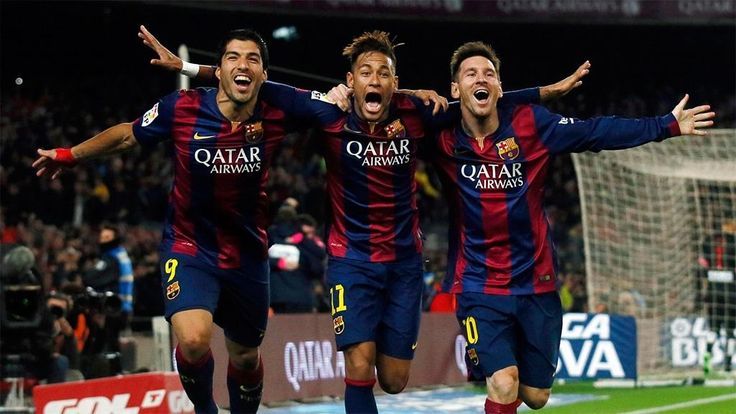
Messi, Suarez, Neymar Trio, 2015

  • That year, MSN were in their prime — a symbol of the golden age of football and its timeless romance.

Quote

  • Knowing yourself is the beginning of all wisdom.

偶像、信仰与那个理想中的自己

年少时,我们总爱谈论偶像。麦迪、卡卡、库里、梅西、亨利……那些在赛场上光芒万丈的人,是我曾追逐的光。他们跑得快、跳得高、意志坚定、技艺超群,是我幻想中的“理想自己”的投影。

可随着时间推移,我慢慢意识到一件事:偶像,终究只是偶像,而不是我自己。小时候希望麦迪能在伤病之后王者归来,盼着卡卡能找回米兰时期的闪耀;可他们没有再创造奇迹,于是我也跟着失落、难过,甚至觉得心情被拖进泥沼。最荒谬的是,那些事情我一点儿也无法控制。球赛输了,心情一天都低落;73胜的勇士最终没拿总冠军,那种空落到极点的情绪现在想想真是滑稽。把情绪交给一个和你毫无关联的“遥远的人”,是种自我欺骗。

偶像,其实只是你价值观在现实世界中找到的“落点”。他/她不是真实的某个人,而是你脑海中那个“希望成为的样子”的符号。偶像的伟大不是因为他们完美,而是因为他们在某一瞬间,唤起了你内心深处那个渴望成长、渴望蜕变的自己。

就像鲁迅。很多人喜欢他,也有很多人骂他。可每个人喜欢的鲁迅其实都不一样。我们认同的,是那个“通过鲁迅所传达出的某种精神”,而不是他的全部。别人骂的,可能根本不是你认同的那部分。这并不冲突。

所以真正的重点不是“偶像是谁”,而是:你借着这个偶像,看清了怎样的自己?

如果你能从他们身上看出某种品质,并由此燃起某种希望、树立某种方向,那么这个偶像的“使命”就已经完成了。而你也该明白——你一直在寻找的,其实从来不是他,而是你。


我们不是要“成为某个人”,而是去成为那个我们想成为的“自己”

这时候,“心灵的力量”才开始显现。心态决定一切,不是鸡汤,而是真实的因果。你相信自己能做到,你就会开始尝试;你不相信,那连第一步都走不出去。很多时候不是现实不允许,而是我们内心早早就投了降。

就像甘地说的那句话:
信念决定思想,思想决定言语,言语决定行动,行动决定习惯,习惯决定价值,价值决定命运。

你得在脑海中先创造出一个形象:“这就是我想成为的人。”——也许坚定,也许温柔,也许自信,也许无畏。接着,带着那种“仿佛你已经变成了那个人”的态度生活,慢慢地,你真的就成了那个你理想中的自己。


如果有一天,我们即将离开这个世界,再回头看这辈子走过的路,最不希望的,大概就是“我没成为真正的自己”。而你曾喜欢的偶像,只是一个个曾照亮你方向的灯塔,他们引导你走了一段路,但最终,是你要走完它。

别太在意别人是否也喜欢你喜欢的那个人,也别为他们的跌落神坛而动摇自己的信念。因为你真正认同的,从来不是那个“人”,而是他所代表的“光”。

偶像可以是起点,也可以是火种。但你必须自己把火点燃,才能走下去。


图片

Messi, Suarez, Neymar Trio, 2015

  • 那年MSN风华正茂,这是属于足球黄金年代的浪漫。

名言

  • Knowing yourself is the beginning of all wisdom.
  • 了解自己,是一切智慧的起点。

The Melody of Solitude

“Stephen and Anna”

Stephen’s apartment was in an old building from the late 19th century, seven stories, no elevator. The fatigue of life piled up with each creaky step he took, each ascent felt like a reminder that he was sinking into an indescribable predicament. Sometimes, he thought about climbing the stairs to improve his health, but in the end, he always compromised. Life, like his body, seemed to quietly surrender.

Anna, on the other hand, was outgoing. She could easily become the center of attention in any crowd. Every time she returned from a business trip, she brought with her a burst of energy and stories, like a breeze, carrying warmth and light. Her optimism easily dispelled the dark clouds in Stephen’s heart. Although Stephen wasn’t much for talking, he would always listen to Anna chat about everything, her voice the only color in his monotonous life.

However, Anna’s frequent business trips often took her away, leaving Stephen to face the empty apartment alone. When night fell, loneliness and emptiness flooded in like an uncontrollable tide, and Stephen felt as if his existence was slipping away, leaving his heart a blank canvas. The occasional sound of a cat’s meow would break the silence, offering a distant form of comfort.

On the drive home, he often felt his eyelids heavy, almost unable to keep them open. The city lights blurred in his eyes, like a painting slowly fading out of reach. His phone alarm was set for seven or eight different times, each one reminding him: wake up, run, read, work. He knew all too well that these alarms were just ornaments, not tools to change his life.

The office felt like a cold stage, with everyone putting on a facade. The smiles on the surface were just masks for the indifference beneath, and it made Stephen feel even more distant. He became increasingly silent, avoiding unnecessary conversations with his colleagues. When he did speak, his words were blunt and brief, just trying to end the conversation as quickly as possible. Dialogue had become a burden, not a bridge for communication.

Occasional “concern” from his family felt like a moral shackle, constantly pressing down on his shoulders. He knew they meant well, but their concern often felt suffocating, as though every word carried with it great expectations and responsibilities. Whether it was “You should get married,” “Why haven’t you changed jobs yet?” or “You need to think about your future,” these words felt like a heavy stone pressing against his chest.

Despite all of this, Stephen continued with his daily routine. He found himself immersed in social networks, scrolling through irrelevant information, as if this could temporarily numb his mind and prevent him from confronting the troubling questions that had been haunting him.

The morning commute was still long, and outside the car window, the city slowly woke up in the dawn light. When he reached the office, he would put on his headphones as usual, shutting out the noise of the world. In these moments, he could find a bit of peace, undisturbed by the daily trivialities. It was in these small moments that he found solace—his own time.

That night, he kept playing “Bohemian Rhapsody” on repeat. When he heard the line: “I sometimes wish I’d never been born at all,” it was as if he had received some sort of permission, permission to be sad, permission to not explain. That feeling was like a silent proclamation, as if all the pain could be understood, even accepted.


Epilogue:

One morning, Stephen once again put on his headphones and climbed the stairs. With each step, his body felt heavier, but he kept going. He didn’t have a clear goal, nor any expectation that things would change; he was simply walking, silently moving forward. Perhaps, this was all he could do—the only thing he could do.

He heard the sound of a cat meowing, and stopped for a moment. Without speaking, he softly replied, “I heard you.”

Then, he continued up the stairs.


Picture
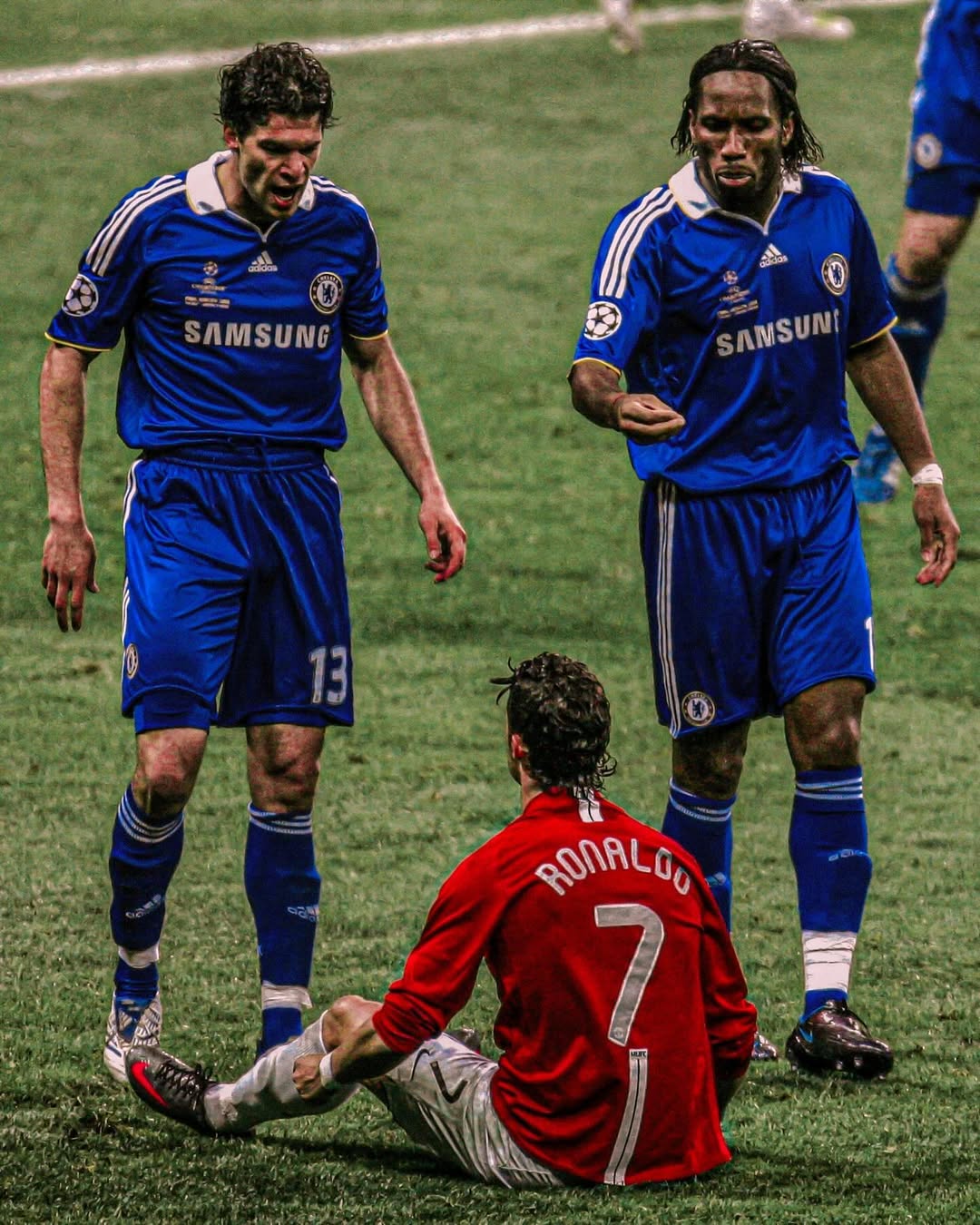
Epic Confrontation: Blues vs United's No.7

  • A Champions League moment between Chelsea duo and Man United’s No.7.

Quote

  • Few things are impossible to diligence and skill.
孤独的旋律

《史蒂芬和安娜》

史蒂芬的公寓位于一座十九世纪末的砖砌老楼,七层,无电梯。生活的疲惫积压在这些老旧的楼梯上,每走一步,似乎都在提醒他,自己也正步入一种难以言喻的困境。尽管他有时候想着爬楼来改善体力,但最终,他总是选择了妥协。生活,和身体,似乎都在默默放弃。

安娜是外向的,她总是能在周围的人群中轻松地成为焦点。每次出差归来,她总会带回满满的活力和故事,像一阵风,带着温暖和光亮。她的乐观,总能轻易地驱散史蒂芬内心的阴霾。虽然史蒂芬不太喜欢说话,却总能听着安娜滔滔不绝地谈论她的一切,仿佛她的声音是他这个单调生活中唯一的色彩。

然而,安娜的频繁出差常常把她带得无影无踪,留下史蒂芬独自面对空荡荡的公寓。每当夜晚来临,孤独和空虚便如潮水般汹涌而至,史蒂芬感到自己的存在被抽离,他的内心像一片空白。猫的叫声偶尔打破这种寂静,像是某种遥远的慰藉。

开车回家的路上,他常常会觉得眼皮沉重,几乎无法睁开。城市的灯火在他眼中逐渐模糊,像是一幅渐行渐远的画,无法触及。手机的闹钟设了七八个,每一个都提醒着他:早起、跑步、读书、做事。他总是心知肚明,这些闹钟更多是摆设,而非改变生活的工具。

公司就像一个冷漠的舞台,每个人都在做着假装的演出。表面上的微笑,实际的冷漠,这一切都让史蒂芬更加疏离。他开始越来越沉默,尽量避免与同事们多说话。说话时,他直接而简短,只想尽快结束对话。对话成了他的一种负担,而不是沟通的桥梁。

家人偶尔的“关心”像是道德的枷锁,不断地压在他的肩膀上。他知道,他们的出发点是爱与关心,但这种“关心”却常常让他感到压抑,仿佛每一句话背后都隐藏着巨大的期待与责任。无论是“你该结婚了”“你怎么还不换工作”“你也得考虑一下未来”,这些话语像一块沉重的石板压在他胸口。

尽管如此,史蒂芬依然继续着自己的日常生活。他沉迷于社交网络,刷着各种无关紧要的信息,似乎这能暂时麻痹自己的内心,让自己不去思考那些困扰他已久的疑问。

早晨的通勤依旧漫长,车窗外,城市在晨曦中缓缓苏醒。到了公司,他照例戴上耳机,隔绝了外界的喧嚣。这样,他能有一丝属于自己的宁静,不再被日常的琐事干扰。此时,唯一能给他一点安慰的,便是那些微小的片刻,属于他自己的时间。

那晚他反复听着《波西米亚狂想曲》。听到那句:“I sometimes wish I’d never been born at all。”他仿佛得到了某种许可,可以悲伤,可以不解释。那种心情,像是沉默的宣告,仿佛这一切的痛苦都可以被理解,甚至被接受。


尾声:

某个清晨,史蒂芬依旧照常戴上耳机,爬上楼梯。每走一步,他的身体都感到沉重,但他依旧坚持着。他没有明确的目标,也没有什么会改变的预期,只是默默地走下去。或许这就是他能够做的,唯一能做的事。

他听到了一声猫叫,停下脚步。没有说话,只是轻轻地应了一句:“我听见了。”

然后,他继续往上走。


图片

巅峰对决:蓝军与红魔7号

  • 蓝军双将与曼联7号的欧冠时刻。

名言

  • Few things are impossible to diligence and skill.
  • 很少有事情是勤奋和技巧所无法做到的。

Bohemian Rhapsody

Is this the real life - 这一切都是真的?
Is this just fantasy - 还是幻想?
Caught in a landslide - 被困於山崩
No escape from reality - 无法逃避现实
Open your eyes 睁开眼睛
Look up to the skies and see -抬头看看天空
I'm just a poor boy, I need no sympathy -
我只是个穷人的孩子,不需要同情
Because I'm easy come, easy go,
因为我总是任人呼来唤去
A little high, little low,
跑上跑下的
Anyway the wind blows, doesn't really matter to me,
- to me -, 风往哪个方向吹 与我何干?
Mama, just killed a man, 妈妈,我刚刚杀了一个人
Put a gun against his head, 把枪口抵住他的头
Pulled my trigger, now he's dead,
扣下了扳机,那个男的已经死了
Mama, life had just begun, 妈妈,人生才刚开始
But now I've gone and thrown it all away -
现在却全毁了
Mama, ooo, 妈妈
Didn't mean to make you cry -不是故意要惹你伤心落泪
If I'm not back again this time tomorrow -
如果明天这个时候我没有回来
Carry on, carry on, as if nothing really matters -
你要活下去 装做什麽事都没发生
Too late, my time has come, 太迟了,我的死期到了
Sends shivers down my spine,脊椎开始颤抖
Body's aching all the time, 全身痛苦不堪
Goodbye everybody - I've got to go -再见了,各位!我要走了
Gotta leave you all behind and face the truth -
我得离开你们,去面对现实
Mama, ooo - 妈妈
I don't want to die, 我不想死啊!
I sometimes wish I'd never been born at all -
有时候,我希望自己没有出生到这个世上
I see a little silhouetto of a man,
我看到一个男人的侧影
Scaramouche, scaramouche will you do the Fandango -Scaramouche
你会跳西班牙舞吗?
Thunderbolt and lightning - very very frightening me -
雷鸣与闪电把我吓坏了
Galileo, Galileo,
Galileo, Galileo
Galileo figaro - Magnifico -
But I'm just a poor boy and nobody loves me -
我只是个穷人的孩子,没有人喜欢我
He's just a poor boy from a poor family -
他只是个来自穷苦人家的可怜孩子
Spare him his life from this monstrosity -
饶了这个怪胎一命吧!
Easy come easy go -, will you let me go -
我总是任人使唤,你能放我走吗?
Bismillah! No -, we will not let you go - let him go -
不!我们不会放你走
Bismillah! We will not let you go - let him go
Bismillah! We will not let you go - let me go
Will not let you go - let me go
(放我走吧!)我们不会放你走(放我走吧!)
Will not let you go - let me go
No, no, no, no, no, no, no -不!不!不!. . . . . . . . .
Mama mia, mama mia, mama mia let me go -
(噢!妈妈咪亚)放我走吧!
Beelzebub has a devil put aside for me, for me -
for me -Beelzebub为了我放弃了魔鬼
So you think you can stone me and spit in my eye
你认为你可以对我丢石块或吐口水在我的眼睛
So you think you can love me and leave me to die -
你认为你可以爱我,也可以不管我的死活
Oh Baby - Can't do this to me baby -
噢!宝贝,千万别这样对我
Just gotta get out - 我想出去
ust gotta get right outta here - 我想逃出这个地方
Nothing really matters, 已经无关紧要了,
Anyone can see,任何人都看得出来
Nothing really matters -, nothing really matters to me
已经无关紧要了
Any way the wind blows...不论风往哪个方向吹