After Seeing Many Graves, One Learns to Be at Peace
As the years go by, many people—having endured pain and helplessness in life—find themselves drawn, almost unconsciously, toward history, artifacts, and ancient tombs. This interest is not driven by curiosity alone, but rather a deeper psychological response: an individual’s reflection on history and the meaning of life, rooted in personal experience.
This transformation carries multiple layers of awakening and understanding.
1. From Life Experience to Resonance with History
In moments of suffering and loss of control, people often seek a form of spiritual support that transcends the present. Tombs and artifacts—seemingly remote and silent—offer a gaze across time. In a grave, we see not only the endpoint of death but also a reminder of life’s true scale.
When you look at remains and burial objects from a thousand years ago, you realize: the trivial worries and obsessions that consume us today are not worth clinging to. In the vast river of time, they hardly qualify as “important.”
2. Gazing at Dust: The Awareness of Death and the Measure of Life
“To return to dust” is not a pessimistic surrender, but a profound insight into life’s final destination.
Objects, patterns, and murals in ancient tombs silently narrate stories of past glory and decline. No matter how powerful or dominant someone was in life, all eventually return to stillness. This “aesthetics of dust” helps us grasp life’s finitude and fragility, reminding us that if we are destined to vanish, then our choices while alive matter all the more.
This is the awakening of “death awareness.” As Heidegger put it, genuine existence comes from “being-toward-death.” It is not about fearing death, but about recognizing the inevitability of the end in order to re-evaluate the meaning of the present moment and our choices.
3. The Awakening of a Historical Sense in Maturity
“As children, history feels distant,” because young lives lack depth, experience is shallow, and perspectives are narrow. Youth are easily driven by immediate emotions and desires, making “history” and “time” seem remote and unreal.
But once we have weathered storms and faced impermanence, we begin to understand: history is not merely dates in a textbook, but a force that runs through life itself. It is silent, yet constantly shaping our thoughts and our being.
4. Seeing Ourselves Through the World of the Ancients
Standing before an ancient tomb, staring at the patterns worn by centuries, our minds inevitably drift back to that era. In that moment, we are no longer just modern individuals but beings capable of resonating with people who lived a thousand years ago.
They too once yearned for splendor, feared aging, clung to meaning. Now they sleep, while we walk. This sense of empathy that transcends time deepens our understanding of life itself.
A tomb is not a symbol of death, but evidence that human beings once lived, struggled, and loved with intensity.
5. The Ultimate Perspective: From Struggle to Acceptance
“To see many graves and grow calm” does not mean indifference but a profound compassion. It signifies that you have come to realize: many entanglements are not worth a lifetime’s energy; many conflicts will fade into silence with the passing of years.
This transformation of mind is not an escape. It emerges naturally once you place emotions into the vessel of time and history, allowing them to “settle,” and what remains is a loosening, a release.
6. Conclusion: What Seems Somber Is Actually Life’s Tenderness and Clarity
What history, tombs, and artifacts give us is never an excuse to escape reality, but a sense of scale. They help us re-examine: what is truly important, what can be let go, and what is worth holding onto.
Sometimes, only by passing through time can we truly return to the present.
Sometimes, only by seeing dust can we better see the light of life.
Picture
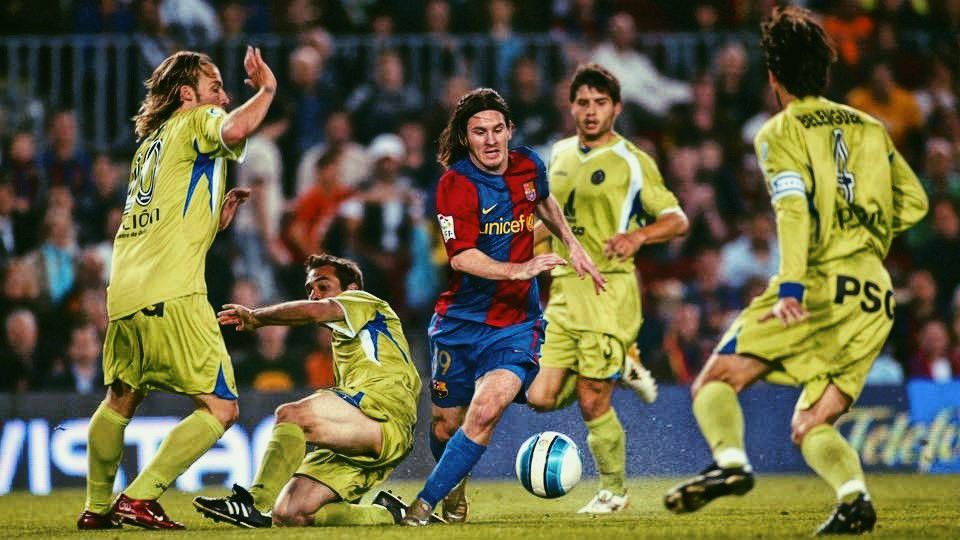
- On April 18, 2007, in the Copa del Rey semifinal first leg at Camp Nou against Getafe, a 19-year-old Messi scored a legendary goal after dribbling past multiple players from midfield, hailed as the “New Maradona Goal.”
Quote
- All that we are is the result of what we have thought.