A Rational Analysis of the Independent Elderly Phenomenon
1. Introduction
With the intensifying global trend of population aging, the issue of independence among the elderly has drawn increasing attention. The term “independent elderly” not only refers to their ability to manage daily life but also encompasses psychological autonomy and active social participation. This sense of autonomy greatly influences the quality of life for the elderly and is closely tied to the overall happiness of families and society. However, in reality, many elderly individuals struggle to live truly independent lives after entering old age, often due to long-standing habits and socially defined roles, resulting in greater dependence on family and children. This phenomenon reflects not only the psychological traits of the elderly group but also reveals deeper sociocultural undercurrents.
2. Phenomenon Description
In today’s society, many elderly individuals lead family-centered lives, sometimes to the extent of excessive dependence on their children. For example, after retirement, a lack of clear hobbies or shrinking social circles often causes them to place all emotional expectations on their children. Some may even urge their children to have babies or frequently demand companionship to fill their inner loneliness. In contrast, there are relatively few elderly individuals who actively pursue hobbies, learn new skills (such as foreign languages or technical skills), or engage in social activities. This dependency is evident not only in daily routines but also in their mental state and emotional reliance.
3. Analysis of the Causes
Role Transition and Loss of Identity
The social roles of elderly individuals undergo significant change after retirement. Many people derive identity and social value from their careers, and once they step away from the workplace, this role is abruptly taken away. The sudden and drastic shift in identity leaves many elderly people struggling to find a new sense of self, leading to a diminished sense of autonomy and independence.Lack of Interests and Hobbies
In their younger years, many people dedicate their time and energy primarily to work and family responsibilities, neglecting the development of personal interests and hobbies. As a result, when they reach old age, they lack meaningful activities to fill their time and emotional needs, further deepening their dependence on their children.Insufficient Social Support Systems
Although modern society is gradually improving its support systems for the elderly, significant gaps still remain. Limited access to community activities, mental health counseling, and interest development programs makes it difficult for many elderly individuals to establish fulfilling routines after retirement.
Picture
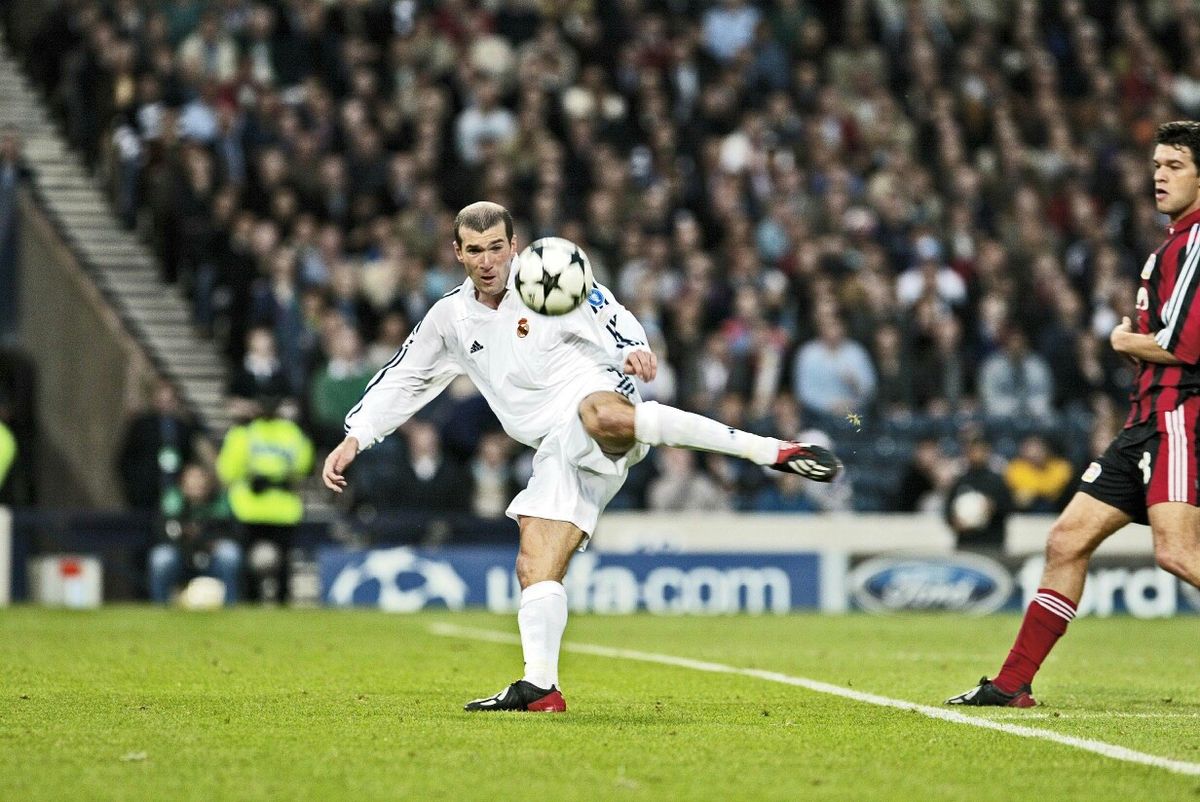
- On May 15, 2002, at Hampden Park in Glasgow, Zinedine Zidane scored a stunning left-footed volley in the UEFA Champions League final, helping Real Madrid defeat Bayer Leverkusen 2-1 and secure the club’s ninth European title.
Quote
- The greatest thing in the world is to know how to belong to oneself.