独立自主老年人现象的理性分析

一、引言

随着全球人口老龄化的不断加剧,老年群体的独立性问题逐渐引发广泛关注。所谓“独立自主老年人”不仅指在生活能力上的自理,还包括在心理状态和社会参与上的自主。这种自主性不仅影响老年人的生活质量,还关系到家庭和社会的整体幸福感。然而,现实中,许多老年人在进入老年阶段后,由于长期的生活习惯和社会角色限制,难以形成真正的独立自主生活,反而更多依附于家庭和子女。这种现象不仅体现了老年人群体的心理特征,也反映了更深层次的社会文化背景。

二、现象描述

在当前社会中,许多老年人的生活方式以家庭为核心,甚至出现了对子女的过度依赖。例如,退休后缺乏明确的兴趣爱好、社会圈子缩小,导致他们将情感寄托完全放在子女身上,甚至通过催促子女生育或频繁要求陪伴来填补内心的孤独感。相反,真正能够主动追求兴趣、学习新知识(如学习外语或新技能)并积极参与社会活动的老年人相对较少。这种依附现象不仅体现在日常生活中,还反映在老年人的心理状态和情感寄托上。

三、原因分析

  1. 社会角色的转变与身份丧失
    老年人的社会角色在退休后发生了显著变化。长期以来,许多人在职场中获得了身份认同和社会价值,而一旦离开工作岗位,他们的社会角色迅速被剥夺。这种身份转换的突然而剧烈,使得许多老年人难以找到新的自我定位,进而丧失了自主感和独立性。

  2. 兴趣与爱好的缺失
    许多老年人在年轻时将主要精力投入到工作和家庭责任中,忽视了个人兴趣和爱好的培养。这使得他们在进入老年阶段后,缺乏能够填补时间和情感空白的活动,进一步强化了对子女的依赖感。

  3. 社会支持体系的不足
    现代社会中的老年支持体系虽然在逐步完善,但仍然存在明显不足。社区活动、心理咨询和兴趣培养的覆盖面有限,使得许多老年人在退


图片

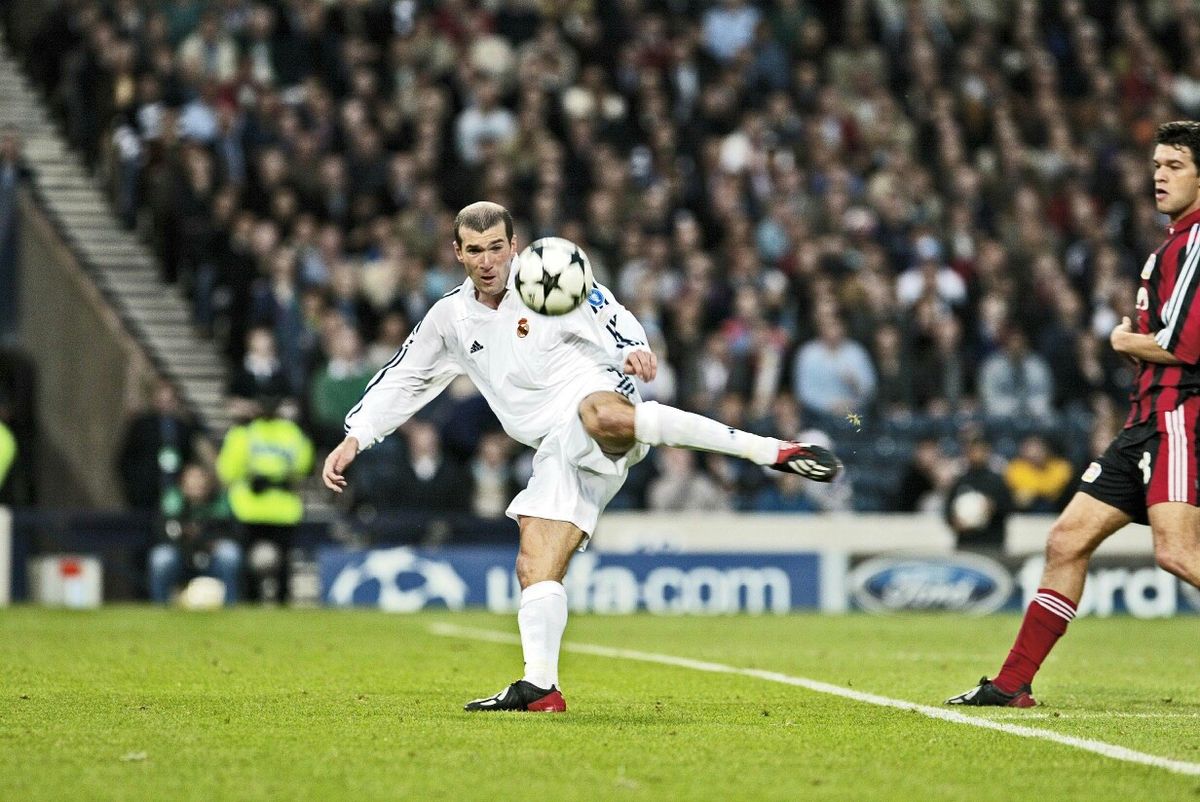
Zidane scored a stunning left-footed volley, 2002

  • 2002年5月15日,格拉斯哥汉普顿公园球场,齐达内在欧冠决赛中打入一记技惊四座的左脚凌空世界波,帮助皇家马德里2-1战胜勒沃库森,赢得队史第九座欧冠奖杯。

名言

  • The greatest thing in the world is to know how to belong to oneself.
  • 世上最伟大的事,是学会如何真正属于自己。

So Far, So Near: The Tangible Moments of Death

For most people, death is a distant, abstract concept. We speak of it casually—“when the time comes,” “after a hundred years”—as if it’s a concern for some far-off future. But in certain moments when life is truly shaken, death suddenly feels near. Uncomfortably near. Near enough to suffocate. Near enough to make us realize that between us and the end lies only a breath, an accident, a message out of nowhere.

I. From “Hearing About It” to “Feeling It”: The First Encounter with Death

When we experience the death of a relative as children, we are often passive observers, with little comprehension of what’s happening. Adults whisper through tears, wear solemn expressions, and bring us along to funerals. But we don’t yet understand the weight of the word “goodbye.” Back then, death was like a distant storm in a fairy tale—we’d heard of it, but never truly felt it.

It wasn’t until adulthood that death pierced the surface of life and struck directly into our emotional core.

Shortly after graduating from college, I heard that a former middle school classmate had passed away. The shock wasn’t because we were close, but because he was young—just like me—barely starting out in life. How could it all end so suddenly? That was the first time I truly felt the proximity of death—not as something that only happens to the elderly, but as something that could take away anyone around me, at any time, perhaps even myself.

II. The Death of Icons: Breaking the Myth of Invincibility

The second time death truly hit me was the year Kobe Bryant passed away. He was a global legend, admired by millions. His sudden death in a helicopter crash, shortly after retirement and seemingly at the height of life, left the world stunned.

We subconsciously believe that the strong—celebrities, athletes, heroes—are immune to death. They appear healthy, wealthy, surrounded by teams and doctors. But death spares no one. The abrupt disappearance of someone so iconic shattered the illusion that we can somehow control our fate.

III. The Passing of the Old: The Relentless Wheel of Time

On Jackie Chan’s Weibo, you often see farewell messages to his peers. Once a superstar known for his vitality and fearless stunts, his social media is now a place for goodbyes. Line by line, he bids farewell. And line by line, we are reminded: they are aging.

My father once told me he was removing some people from his WeChat contacts. I thought he was cutting ties or downsizing his social circle. But he said, quietly, “They’ve passed away. Seeing their names there just feels wrong.” In that moment, I realized that as we grow older, our contact lists slowly become registers of absence—names still there, but lives no longer behind them.

The recent passing of Chua Lam, a flamboyant food critic and cultural figure, further underscored this sense of closure. A man who lived fully, never married, and left behind no children—yet his lifestyle and voice were unmistakable. His quiet departure felt like the curtain closing on a certain kind of era.

IV. When the Young Die: A Deeper Sense of Powerlessness

The most heartbreaking recent news was the sudden death of Liverpool forward Diogo Jota in a car accident at just 28 years old. Young, healthy, with a bright career ahead—his life should have stretched wide open before him. But again, death arrived without warning. One accident, one announcement, and every possibility was erased.

Unlike illness, which may come with signs or a process of deterioration, sudden tragedies leave no room to prepare. They feel brutally unfair. One day you’re running on the pitch, the next you’re gone. Death waits at the corners of ordinary life—silent, unseen.

V. So Far, So Near

So, is death far away, or close at hand?

It feels distant—something for philosophers to debate, something only the elderly need to consider, or something that belongs to war zones and hospital beds. But it is also deeply personal, right beside us. It arrives in a social media post, a name in the group chat, a phone call in the night. Every time it gets close, we’re startled to realize: it has always been here, just out of sight.

From a rational perspective, death is the inevitable conclusion to every life. It follows no schedule, no rules of fairness. It is not deterred by youth, wealth, fame, or preparation. It is the one certainty written into the contract of being alive.

What makes death so powerful is not merely its arrival, but our tendency to forget it exists. When it forces us to face it, death becomes the clearest outline in the mirror of life—compelling us to reflect, to reconsider what it means to live, and what truly matters in the time we’re given.


Picture
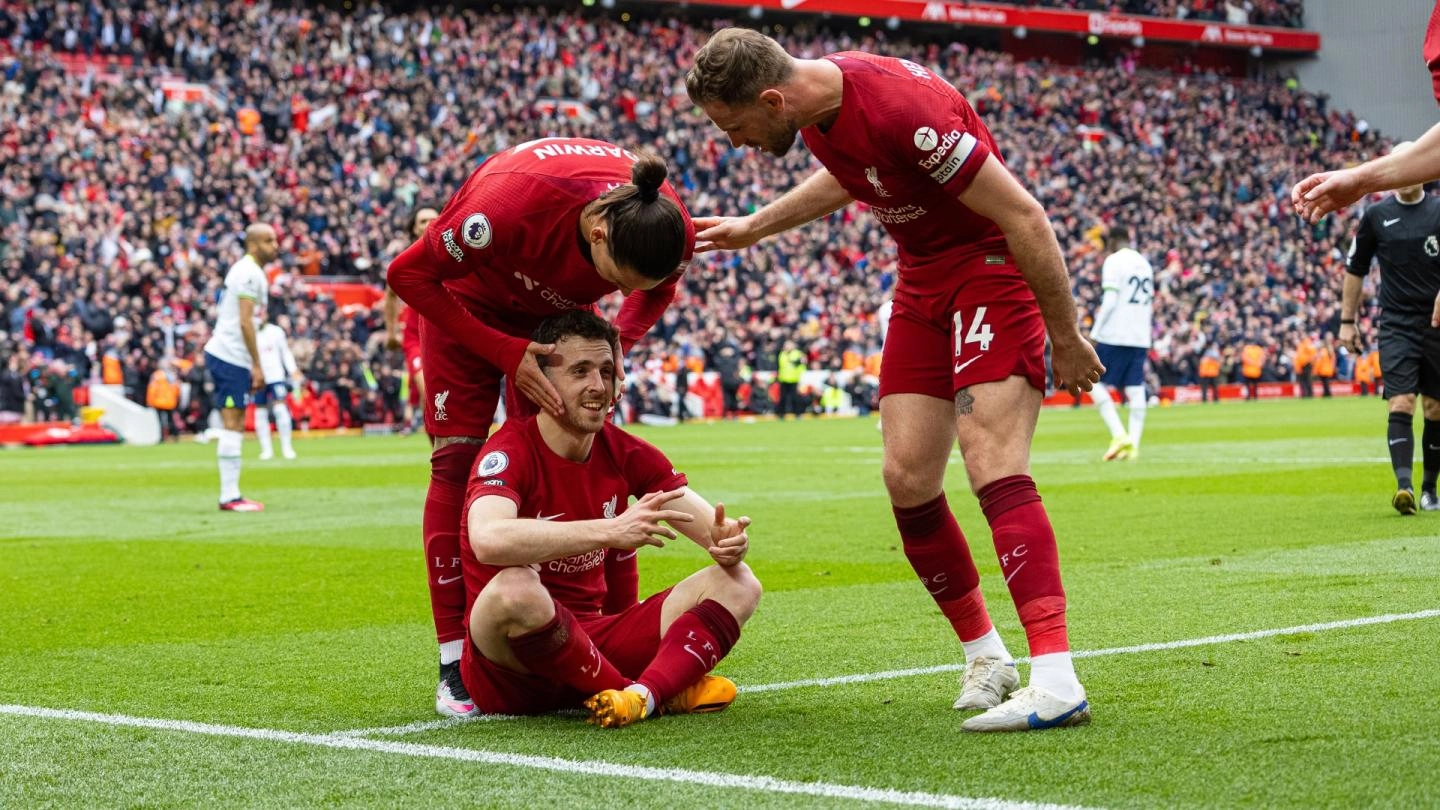
Diogo Jota scored a stoppage-time winner , 2023

  • On April 30, 2023, in the 34th round of the Premier League, Liverpool hosted Tottenham at Anfield. Diogo Jota scored a stoppage-time winner in the 94th minute to seal a dramatic 4-3 victory.

Quote

  • Death is not the opposite of life, but a part of it.
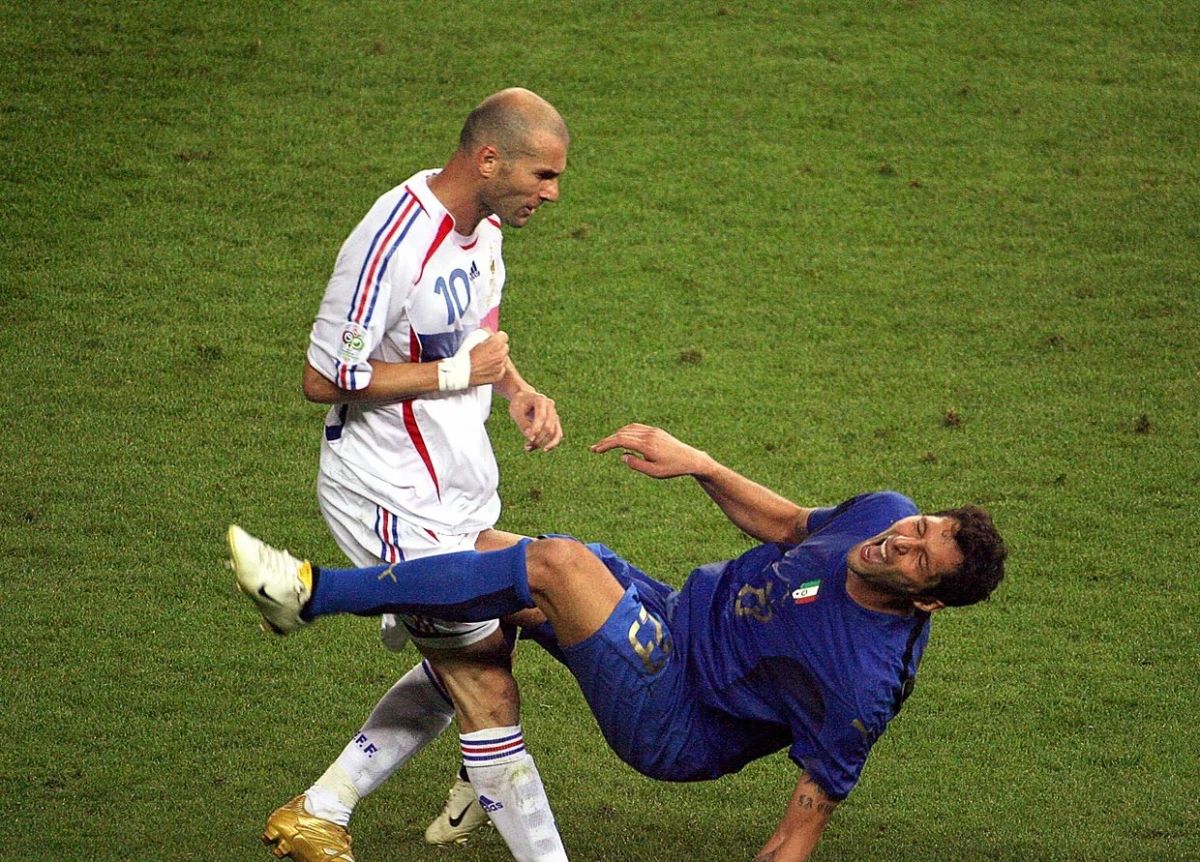
那么远,那么近:死亡的体感时刻

死亡,对大多数人来说,是一个遥远而抽象的词汇。我们常说“生死有命”“百年之后”,但在生命真正被撼动的某些时刻,死亡却又是那么近,近到让人窒息,近到让人意识到,我们和它之间,其实只隔着一口气,一场事故,一次突如其来的消息。

一、从“听说”到“感受到”:死亡的第一次靠近

小时候经历亲人去世,我们大多是被动的旁观者,不知所以,感知模糊。大人们低声哭泣、神情沉重,我们被带去吊唁,却未曾真正理解“永别”的重量。死亡在那个时候,像是童话书里的一场远方风暴,我们听说,却没切身体会。

直到长大,死亡才真正穿透生活的表面,撞进我们内心的现实。

大学毕业没多久,突然听说初中同学去世的消息。那一刻的震惊,并非因为与他的关系有多亲近,而是因为他“应该还年轻”。他和我年纪一样,刚刚起步的人生,怎么就戛然而止了?那种突如其来的恐慌,是第一次真实体会到:死亡不是只降临在遥远的长辈身上,它也可以挑中你身边的人,甚至随时轮到你自己。

二、名人的死,打破了我们对“强者”的幻想

第二次强烈的死亡感受,是科比去世那年。作为一个全世界亿万人熟悉、敬仰的传奇运动员,科比的意外去世不仅令人惋惜,更带来一种“英雄也会猝死”的惊骇。他刚刚退役,还未展开人生的下半场,突然间就消失在了直升机残骸中。这一事件仿佛抽掉了人们心中的一根定海神针。

我们对强者、名人的潜意识预设是“他们不会轻易死去”,因为他们看上去那么健康、有钱、有资源、有团队、有医生。但死亡无视一切,这种近乎神话般人物的骤然离世,打碎了我们对掌控人生的幻觉。

三、老一辈的离去:时间的车轮从不歇息

成龙的微博时常会看到他悼念好友、同行的帖子。一位曾风华绝代、打遍天下无敌手的动作巨星,如今的社交平台,成了送别舞台。他一条条写下:“你走好。”我们一条条看到:“他们老了。”

父亲也曾对我说起,他要把微信里的一些人删掉。我不解其意,以为是人情冷暖的疏远。他却淡淡地说:“他们走了,留着微信,看着难受。”那一刻我意识到,一个人的微信列表,也许正随着年龄的增长,慢慢变成了死亡记录簿——名字还在,人却不在了。

蔡澜的离世,更像是一种时代的闭幕。他潇洒、热爱生活、饮食写作皆成一格,身后无儿无女,却留下了风格鲜明的生活美学。他走得不惊不扰,却让人恍然——我们熟悉的那一批“人间通透者”,也正在一个个谢幕。

四、年轻人的死亡,更让人无力

而最近最令人心痛的消息,是利物浦球员若塔的车祸去世,年仅28岁。作为职业运动员,年纪轻轻、身体健康、前途光明,人生本该是一条宽广大道。但死亡再次冷酷地出现,一场车祸,一个意外,一道讣告,轻易掐断了未来所有的可能。

和疾病不同,突发事故带来的死亡令人更加无力。它既不公平,也无征兆。你今天还在奔跑,明天就已天人永隔。死亡就在每个人可能路过的街角潜伏,悄无声息。

五、那么远,那么近

死亡到底是远,还是近?

它远得仿佛与我们无关,是书本上的哲学议题,是年老之后才需要面对的问题,是战乱与疾病里别人的苦难。但它又如此贴身,贴近每一个朋友圈的一条消息、一个熟人的名字、一次突如其来的讣告。每当它靠近,我们才惊觉,它一直都在那里,从未远离。

从理性的角度看,死亡是生命不可回避的自然终点,它没有固定的时间表,不以公平为依据,不因年龄、财富、名声而怜悯。它是所有生命进程中唯一的确定事件。

死亡之所以震撼人心,不是因为它来临,而是因为我们大多数时候都选择遗忘它的存在。而一旦面对,它便成为人生镜像中最清晰的轮廓——让我们反观自己,重新思考何谓生命,何谓活着。


图片

Diogo Jota scored a stoppage-time winner , 2023

  • 2023年4月30日,英超第34轮,利物浦主场迎战热刺,迪奥戈·若塔第94分钟读秒绝杀,助队4-3险胜。

名言

  • Death is not the opposite of life, but a part of it.
  • 死亡不是生命的对立面,而是生命的一部分

Prisoner of Higher Dimensions

I’ve spent my whole life chasing higher dimensions, yet remain trapped in the mundane dilemmas of everyday existence.

I once tried to step outside of time, to see clearly the logic and causality of everything—mapping every stage of life into a web of interwoven dimensions, like a complex star chart. But reality kept pulling me back to the most primitive layer, where survival is ruled by biology, and days blur into routines. In the end, I became a prisoner of the flesh.

Among crowds, I drift like a shadow, always playing the role that fits their expectations—upholding the order of the world while silencing the pulse of freedom within me. And gradually, I began to wonder: is this body a vessel that carries me, or a cage that confines me?

Perhaps I have never truly lived—only learned how to disguise myself among others.


Picture

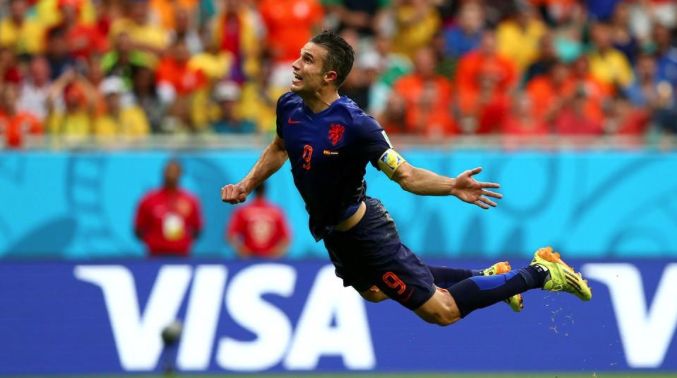
Robin van Persie scored a stunning diving header, 2014

  • On June 13, 2014, during the World Cup group stage, Dutch forward Robin van Persie scored a stunning diving header, helping the Netherlands to a 5–1 victory over defending champions Spain.

Quote

  • Man is born free, and everywhere he is in chains.

高维度的囚徒

一生都在追求维度的高度,却始终陷在庸常的困境里。

我曾试图站在时间之外,看清一切的逻辑与因果,将生命的每一段都编织成无数交错的维度,像是一张复杂的星图。然而,现实却不断拉我回到最原始的底层,靠生理需求活着,囿于日复一日的琐碎,终究沦为肉身的囚徒。

在人群中,我穿行如影,总是扮演那个符合“期待”的角色,维持着世俗的秩序,压抑着心中渴望自由的律动。渐渐地,我开始怀疑,这具躯壳到底是我的容器,还是牢笼?

或许,我并未真正活过,只是学会了如何在人群中伪装。


图片

Robin van Persie scored a stunning diving header, 2014

  • 2014年6月13日世界杯小组赛中,荷兰前锋范佩西打入一记技惊四座的“鱼跃头球”,帮助球队以5比1大胜卫冕冠军西班牙。

名言

  • Man is born free, and everywhere he is in chains.
  • 人生而自由,却无往不在枷锁之中。

A Rational Analysis of Life Trajectories

In the long journey of life, people often unconsciously rank and evaluate their personal experiences. This ranking is not merely a retrospective review of the past, but a deep reflection on happiness and the meaning of life. So, how can we rationally analyze different life trajectory patterns?


I. Types of Life Trajectories

From a temporal perspective, life trajectories can generally be classified into the following typical patterns:

  1. Good Start, Bad End: Early life goes smoothly, but circumstances decline in later years.
  2. Bad Start, Good End: Life begins with hardships, but gradually improves in old age.
  3. Steady Development: A stable life with few significant ups and downs.
  4. Fluctuating Path: A life full of unpredictable highs and lows.

Though these patterns may seem equivalent, each can profoundly affect an individual’s psychological experience and overall happiness. Let’s explore this through psychological theories, value perspectives, and real-world examples.


II. Psychological Perspectives: Biases in Memory and Experience

1. Peak-End Rule

Proposed by Nobel laureate Daniel Kahneman, this theory suggests that people’s overall memory of an experience is largely shaped by two key factors: the emotional intensity of the peak moment and the emotional state at the end.

  • Good Start, Bad End: If the peak of life is in the early years but hardship follows, the overall memory may be negative, despite notable achievements.
  • Bad Start, Good End: Even with early struggles, a positive ending often leads to a more favorable evaluation of one’s entire life.

2. Temporal Discounting

  • Definition: People are more sensitive to immediate happiness and satisfaction, while future pleasure tends to be “discounted” or undervalued.

  • Impact:

    • A Good Start, Bad End may deliver early gratification and a sense of achievement, making the overall perception still positive.
    • A Bad Start, Good End requires stronger delay-of-gratification abilities and confidence in the future.

III. Values and Perceptions of Happiness

1. Inner Fulfillment vs. External Rewards

  • Inner Fulfillment: Some individuals derive lasting happiness from long-term goals and internal meaning—often those who find purpose in adversity.
  • External Rewards: Others prioritize immediate success and external recognition, and thus find happiness more readily during early achievements.

2. Life Stages and Shifting Needs

  • In youth, people tend to value external achievements and social approval.
  • As they age, inner peace and life meaning become more important.
  • Consequently, even if life improves in later years, it may not fully compensate for earlier regrets.

IV. Risk and Loss Aversion

1. Loss Aversion

  • Definition: People are generally more sensitive to losses than to gains of equal value.

  • Impact:

    • Good Start, Bad End can trigger a stronger sense of “loss,” as losing former happiness is often more painful than gaining new happiness.
    • Bad Start, Good End—though ending well—requires long-term emotional resilience.

2. Psychological Safety and Uncertainty

  • Bad Start, Good End involves prolonged uncertainty and psychological stress.
  • Good Start, Bad End can provide early psychological security; even if things decline, one may retain a sense of control.

V. Real-World Examples

  • Historical Figures: Leaders like Winston Churchill and Abraham Lincoln faced early failures and setbacks but later achieved great historical recognition.
  • Everyday People: Many entrepreneurs endure hardships in the early stages of their ventures and enjoy success later in life—stories often seen as inspirational.

VI. Key Takeaways

  • Psychological Resilience: A Bad Start, Good End requires greater emotional strength and the ability to delay gratification—ideal for those who can endure and grow through hardship.
  • Long-Term Value Orientation: Those focused on long-term meaning may find Bad Start, Good End more fulfilling.
  • Immediate Gratification: For those who prioritize present happiness, Good Start, Bad End might better align with their perception of a “happy life.”

VII. Final Reflection

There is no definitive right or wrong life trajectory. The key lies in understanding your personal values, psychological traits, and expectations for the future. Perhaps, that is the true essence of defining happiness.


Picture

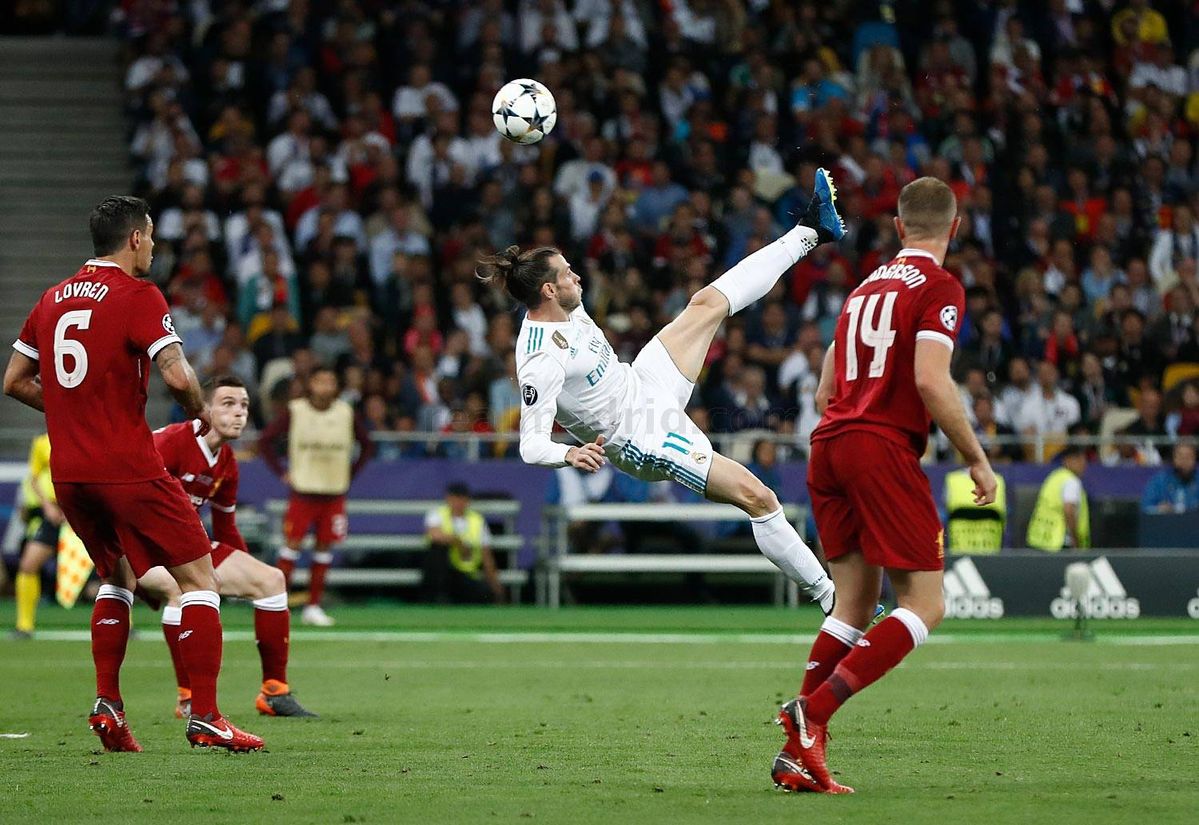
Gareth Bale scored an iconic bicycle kick goal , 2018

  • On May 26, 2018, in the UEFA Champions League Final held in Kyiv, Gareth Bale scored an iconic bicycle kick goal against Liverpool, helping Real Madrid secure a 3-1 victory and claim their 13th European title.

Quote

  • Every man has his secret sorrows which the world knows not; and often we call a man cold when he is only sad.

人生排序的理性分析

在人生的漫长旅程中,人们总是会不自觉地对自身的经历进行排序和评价。这种排序不仅仅是对过往的简单回顾,更是对幸福感和生命价值的深层次反思。那么,如何理性地分析不同的人生排序模式呢?

一、不同的人生排序模式

从时间的视角看,人生的好坏排序大致可以分为以下几种典型模式:

  1. 先好后坏:早年顺风顺水,晚年境遇渐衰。
  2. 先坏后好:早期历经磨难,晚年逐渐安稳。
  3. 平稳发展:一生大致稳定,无明显波折。
  4. 起伏波动:人生充满起起伏伏,难以预测。

尽管看似平等,但不同排序模式对个体的心理感受和幸福感影响巨大。以下将从心理学、价值观和现实案例等角度进行深入分析。

二、心理学视角:记忆与体验的偏差

1. 峰终效应(Peak-End Rule)

由诺贝尔经济学奖得主丹尼尔·卡内曼(Daniel Kahneman)提出。这个理论指出,人们对一段经历的整体回忆,主要由两个关键因素决定:高峰时的情感强度结束时的情感状态

  • 先好后坏:如果人生的高峰在前期,而晚年却面临困境,那么整体回忆可能会受到负面影响,尽管人生的总体成就可能很高。
  • 先坏后好:即便早年经历艰难,只要晚年有所回升,人们往往仍会对整个人生产生积极的评价。

2. 时间折扣效应(Temporal Discounting)

  • 定义:人们对即刻的幸福和满足感更敏感,未来的快乐往往被“折扣”。

  • 影响

    • 先好后坏的人生能够提供即时的满足和成就感,即便未来有困境,仍可能带来整体的正面感受。
    • 先坏后好则需要个体具备更强的延迟满足能力,以及对未来的坚定信念。

三、价值观与幸福感的差异

1. 个人境界与心理弹性

  • 内在满足:一些人能够从长期目标和内心满足中获得持久的幸福感,典型代表是那些在逆境中找到意义的人。
  • 外在满足:另一些人更在意即时的成就和外部的肯定,这类人在早期成功后往往会更有幸福感。

2. 人生阶段与需求

  • 年轻时更重视外部成就和社会认可,随着年龄增长,内心的平静和生活的意义变得更为重要。
  • 因此,即使晚年生活改善,也可能不足以弥补早年的遗憾。

四、风险与损失规避

1. 损失厌恶(Loss Aversion)

  • 定义:人们对损失的敏感度往往高于同等程度的收益。

  • 影响

    • 先好后坏更容易引发“失落感”,因为失去曾经的美好比获得同等价值的幸福更痛苦。
    • 先坏后好尽管结果更好,但需要长期的心理承受力。

2. 心理安全与不确定性

  • 先坏后好的人生需要承受长期的不确定性和心理压力。
  • 先好后坏则能在前期积累心理安全感,即便后期有所下降,也不至于完全失去对生活的掌控感。

五、现实中的典型案例

  • 历史伟人:如丘吉尔、林肯,他们在前期经历了严重的失败和困境,但最终获得了广泛的历史赞誉。
  • 普通人:很多企业家在创业初期历经磨难,晚年享受成功,这种人生故事往往被视为励志典范。

六、结论与启示

  • 心理弹性:先坏后好需要更强的心理弹性和延迟满足能力,适合那些能够忍耐和积极应对困境的人。
  • 长期价值观:对于更注重长期价值的人,先坏后好的模式更符合“有意义”的人生观。
  • 即时满足:但对更看重当下幸福感的人,先好后坏可能更符合“有幸福感”的人生体验。

七、最终思考

究竟选择哪种人生排序,并没有绝对的优劣之分,关键在于理解自身的价值观、心理特质以及对未来的期望。或许,这才是定义幸福的真正关键。


图片

Gareth Bale scored an iconic bicycle kick goal , 2018

  • 2018年5月26日欧冠决赛在基辅举行,加雷斯·贝尔对阵利物浦时打入了一粒标志性的倒钩进球,帮助皇家马德里以3比1获胜,夺得了队史第13座欧冠冠军奖杯。

名言

  • Every man has his secret sorrows which the world knows not; and often we call a man cold when he is only sad.
  • 每个人都有不为人知的苦难,而我们常误以为他冷漠,其实他只是悲伤。

Infinite Numbers in a Finite Life

From the perspective of the future, our present attitude toward money may appear excessively rigid. If you believe that wealth will eventually come, then money is ultimately just a number—a symbol in a ledger, a transferable entry in a bank system. At the end of life, these numbers lose all significance.

High-end consumption is often viewed as extravagance or even waste. Yet such places also tend to offer higher service quality and a richer experience. They are spaces where memories are made and life is felt more vividly. If you believe you are worth it, then price tags need not dictate your choices. The very ability to choose is itself a privilege of resource allocation—one that, to many, remains out of reach.

The utility of money is inherently limited. It can buy time, comfort, and convenience, but not love or respect. It cannot fill spiritual voids, nor can it reverse time. When we use money as a means to pursue ownership, we may in turn become bound by the very numbers we chase—driven by them without realizing it.

One day, we will leave this world, and those numbers will reset to zero. Life is finite, and time is irreversible. The rational choice, then, is to allocate these resources wisely within our limited time—to let them serve the enrichment of our experiences and the realization of life’s value. Compared to numbers themselves, the ability to choose freely and live meaningfully is far more valuable.


Picture

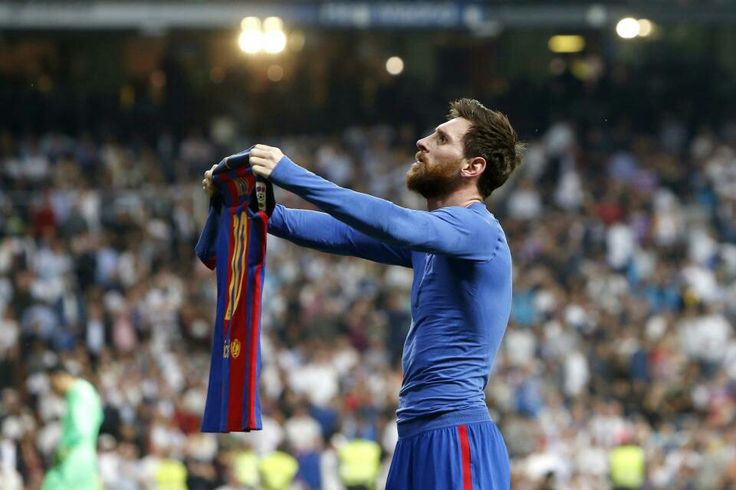
Messi celebrated by holding up his shirt, 2017

  • On April 23, 2017, during the Spanish El Clásico at the Santiago Bernabéu Stadium in Madrid, Messi scored a stoppage-time winner to secure victory for Barcelona, celebrated by holding up his shirt, and marked his 500th goal for the club.

Quote

  • The real measure of your wealth is how much you’d be worth if you lost all your money.

有限生命中的无限数字

从未来的视角回望当下,人们对金钱的态度或许显得过于执着。若你相信终将富足,那么金钱终究只是数字,是账本上的符号,是银行系统中可转移的记录。在生命即将终结的那一刻,这些数字将失去意义。

高消费场所通常被视为奢侈甚至浪费。然而,它们往往也代表着较高的服务质量与体验,是个体创造记忆与体验生活的空间。如果你认为自身值得,便无需被价格标签所约束。拥有选择权本身,便是一种资源配置上的优势;在一些人看来,这甚至是无法企及的自由。

金钱的作用是有限的。它可以带来时间的节省、环境的舒适、生活的便利,但不能购买爱与尊重,也无法填补精神的空缺,更无法逆转时间。当我们以金钱为手段不断追求“拥有”,也可能在无形中成为数字的附庸,被其驱使而不自知。

终有一日,我们将离开这个世界,那些数字也随之归零。生命是有限的,而时间不可逆。真正理性的选择,是在可控的时间内合理配置这些资源,使其最大化地服务于个体体验与生命价值的实现。相较于数字本身,自由与选择的能力才更具意义。


图片

Messi celebrated by holding up his shirt, 2017

  • 2017年4月23日,西班牙国家德比在马德里伯纳乌球场上演,梅西补时绝杀助巴萨取胜,高举球衣庆祝,完成个人为巴萨打进的第500粒进球。

名言

  • The real measure of your wealth is how much you’d be worth if you lost all your money.
  • 真正衡量你财富的标准,是当你失去所有金钱时你还剩下什么。

Inconsistent Definitions — The Invisible Trap of Debates

In modern public discourse, conflicts of opinion seem to be everywhere. From online controversies to academic debates and everyday disagreements, people often engage in fierce arguments without reaching any consensus. On the surface, this appears to be a clash of differing viewpoints. But upon closer examination, we find that many seemingly opposing arguments stem not from true ideological divergence, but from inconsistent definitions of key concepts.

I. Definition: The Foundation of Thought

In all logical reasoning, definitions are the most fundamental premises. If a concept is not clearly defined, its referent becomes ambiguous during argumentation, ultimately undermining the entire reasoning structure. Aristotle pointed out in the Organon that scientific discussion should begin with establishing definitions. If we cannot even agree on what we are talking about, how can we agree or disagree meaningfully?

For example, when people debate “the purpose of education,” one party might understand education as “the transmission of knowledge,” while another views it as “the cultivation of character.” This divergence leads to conflict over whether education should focus on academic performance or moral development. However, if both parties recognize their differing definitions of “education” from the outset, much of the disagreement would dissipate or at least shift to a more concrete level.

II. Inconsistent Definitions Lead to Logical Misalignment

Inconsistent definitions directly sabotage valid reasoning. In a chain of logic, if the concept A in the premise is not the same as concept A’ in the conclusion (despite using the same term), the argument commits an equivocation fallacy—one of the most common and subtle logical errors.

For instance, suppose one person claims, “Freedom is the foundation of society, so the government should not restrict anyone’s actions.” Another replies, “If freedom means anarchy, it will only lead to chaos.” The problem is that both are using the term “freedom,” but referring to different concepts: the first might mean “freedom from arbitrary interference,” while the second interprets it as “lack of all constraints.” Without clarifying the definitions, such a debate will never converge.

III. Semantic Drift in Social Contexts

In social contexts, the meaning of terms often drifts depending on group identity, ideology, or situational context. For example, “fairness” to a free-market liberal may mean “equal rules without interfering with outcomes,” whereas to a social justice advocate, it might mean “reasonable outcomes with compensatory opportunity.” Both sides are speaking of “fairness,” but their interpretations are fundamentally at odds.

This semantic drift causes public discourse to devolve into echo chambers. Each side believes it occupies the moral high ground, while in fact, they are attaching entirely different semantic frameworks to the same word. As a result, in the absence of semantic clarification, public discussions often spiral into polarization and the retreat of rationality.

IV. Strategies to Avoid Definition Confusion

To avoid invalid arguments caused by definitional inconsistency, the following strategies are crucial:

  1. Define key terms explicitly: At the outset of a discussion, state clearly how you understand core terms—especially those prone to contextual ambiguity (such as freedom, fairness, justice, rights, etc.).
  2. Clarify the other party’s usage: Before refuting, ensure you understand how the other party is using a term, to avoid talking past each other.
  3. Use operational definitions: In practical or technical discussions, try to concretize abstract terms into measurable, actionable criteria to reduce ambiguity.
  4. Acknowledge multiplicity of meanings: For complex terms that resist unified definitions, admit their polysemy and specify their scope in conversation to build consensus rather than descend into semantic quibbles.

V. Conclusion: Logical Clarity Begins with Linguistic Clarity

Debate itself is not dangerous—what’s dangerous is wasting cognitive resources in logically incoherent discussions. Truly rational discourse is not about aggressive rebuttals, but about collaborative construction based on clear definitions and valid logic. In an era of information overload and overwhelming opinions, perhaps the most essential step toward meaningful communication and deep reasoning is to return to the starting point of language—to clarify the very words we use.


Picture

Andrés Iniesta scored the winning goal, 2010

  • In the 2010 FIFA World Cup Final in South Africa, Spanish midfielder Andrés Iniesta scored the winning goal in the 116th minute of extra time, securing a 1-0 victory over the Netherlands and delivering Spain’s first-ever World Cup title.

Quote

  • Most disagreements are not about beliefs, but about the meanings of words.