Kobe Bryant’s Speech, Line by Line: English Learning with Meaning & Motivation

1. to leave no stone unturned

  • 英语习语,意思是:竭尽全力、想尽一切办法、不遗余力地去做某事,通常为了寻找解决方案或达成目标。
  • 字面意思是:“不留下一块未被翻动的石头”。

2. And if I live that way, then over time, you know, I’d have something that was beautiful.

  • 如果我按照那种方式去生活,那么随着时间的推移,我会拥有一些美好的东西。

3. what do you have overall?

  • 到头来你会拥有什么?

4. it’s a constant quest, it’s an infinite quest

  • 这是一个永不停歇的追求,是一场无尽的探索。

5. in the sense that the confidence comes from preparation

  • 从某种意义上说,自信源于准备。
  • “in the sense that” 表示“从……角度来看 / 意思是说”。

6. So when the game’s on the line

  • 所以当比赛胜负在此一举 / 当比赛进入关键时刻。
  • “on the line” 是常用表达,意为“处于关键时刻 / 成败攸关”。

7. When I prepare, I know what I’m capable of doing

  • 当我做好准备时,我就知道自己能做到什么。
  • “prepare” 指系统性、持续性的训练或筹备。
  • “capable of doing” 表示“有能力做某事”。

8. At two I could dribble a basketball, I could shoot a basketball on the Nerf hoop at the house.

  • dribble:运球
  • Nerf hoop:玩具篮筐,软质迷你篮球架,适合儿童室内玩耍
  • “Nerf” 是一个玩具品牌,主打泡沫材质产品。

9. a lot of things I learned by just being around the game

  • “being around” 表示“待在……附近”或“接触某事物的环境中”,强调潜移默化地学习。

10. By the age of six I was already strategizing versus other six‑year‑olds.

  • “By the age of six” 到六岁时
  • “strategizing” 制定策略、谋划对策

11. observant

  • 善于观察的,注意细节的

12. the smell of brand‑new sneakers

  • “brand-new”:全新的、崭新的
  • “sneakers”:运动鞋(美式英语)

13. when I need to vent

  • 当我需要发泄的时候

14. For me to come out and say that, people would think I was a lunatic.

  • 如果我说出来,别人会觉得我疯了。
  • “come out and say”:公开说出、坦率表达
  • “lunatic”:疯子、精神失常者,口语中带夸张语气

15. So no matter what they said or what they threw at me

  • 无论别人怎么说或对我说什么
  • “threw at me” 比喻遭受压力或挑战

16. Like you wake up in the morning, you go—even if you try to dial it back, it’ll just build up and build up, and then it’ll just come out ten times worse than it was before.

  • 就像你早上醒来时,即使试着控制情绪,它还是会不断积累,最终爆发出来,比之前强烈十倍。
  • “you go” 表示“你开始投入”
  • “dial it back” 表示“收敛、控制情绪”

17. There’s a quote from one of my English teachers, a little Marian named Mr. Fisk—a great quote that said, “Rest at the end, not in the middle.”

  • “a little Marian” 可理解为“小镇马里安人”或学校昵称
  • 名言:“在终点休息,而不是中途”

18. and I’ll figure these things out as I go

  • 我会在过程中慢慢弄明白这些事

19. What was really your work ethic like and for how long did you stay disciplined?

  • 你的职业态度到底是怎样的?你又坚持自律了多久?
  • “work ethic”:勤奋、纪律、投入的精神
  • “stay disciplined”:保持自律

20. trying to figure out strengths and weaknesses

  • 试着弄清楚自己的强项和弱点
  • “figure out”:理解、摸索
  • “strengths and weaknesses”:优点与不足

21. jumping ability

  • 跳跃能力
  • “vertical”(= vertical leap/jump):垂直弹跳高度(单位:英寸)
  • “massive”:非常巨大
  • “palm the ball”:用手掌抓住篮球

22. I had to rely on angles a lot more.

  • 我得更多依赖角度(打球角度、切入时机、出手位置)

23. Certain weaknesses that were exposed that you need to shore up

  • 某些暴露出来的弱点,是你需要去弥补的
  • “shore up”:加固、弥补、补救

24. it sucks to lose

  • “It sucks”:很糟糕、令人不爽(强烈、口语化的抱怨)

25. But the hardest thing is to face that stuff.

  • 最难的是面对那些事(挑战、弱点等)
  • “stuff”:泛指事情、问题等,语气随意口语

26. As athletes, the psychology is: before you start a game, how can you lock in to get into that mental space where nothing else matters?

  • 作为运动员,心理状态是:如何在比赛前进入心流状态,让其他一切变得无关紧要?
  • “lock in”:专注、进入状态
  • “mental space”:心理空间、专注状态

27. completely locked in

  • 完全专注

28. cheering:欢呼、喝彩

  • booing:嘘声、喝倒彩
  • crowd:观众

29. like reading a certain coverage or something like that

  • 比如识别某种防守布置或类似情况
  • “reading”:判断、识别
  • “coverage”:防守战术
  • “defensive package”:防守战术组合
  • “the double team came”:两个防守球员夹击

30. Now I can circumvent the double team and get to a place where I can knock down the shot or get to the basket

  • 现在我能绕过夹击,找到出手机会或突破上篮
  • “circumvent”:避开、巧妙躲避
  • “knock down the shot”:投篮命中
  • “get to the basket”:突破进攻

31. Not just from the standpoint that

  • 不仅从……的角度来看

32. it’s also your responsibility to elevate the rest of the guys

  • 你也有责任带动队友提升
  • “to elevate”:提升、激励

33. people tend to get stuck on this idea

  • 人们往往执着于这个想法,被其限制

34. That’s a very trivial way to look at things

  • 那是非常肤浅/片面的看法
  • “trivial”:琐碎的、浅显的

35. And guys don’t feel like going through the motions, don’t feel like practicing

  • 球员们不想走过场地训练或练习
  • “going through the motions”:例行公事、应付

36. know each and every one of them individually, personally. Because then you know what nerve to touch

  • 要了解每一个人,才能知道该怎么激励他们
  • “nerve to touch”:触动他们的“神经”,即找到激发点

37. that’s when teams start folding and capitulating

  • 那就是球队开始崩溃、投降的时候
  • “folding”:崩溃、放弃抵抗(俚语)
  • “capitulating”:正式词,意为投降

38. is to absorb, to be a sponge

  • 去吸收,像海绵一样学习

39. You always want to outwork your potential

  • 永远要努力超过自己的潜力极限
  • “outwork”:付出超过……的努力

40. As hard as you believe you can work, you can work harder than that

  • 无论你多努力,你都还能更努力

41. Basketball is such a direct competition sport

  • 篮球是一项直接对抗的运动

42. That competitive nature, the work ethic, and curiosity—because I asked a lot of questions

  • 那种竞争本能、敬业精神与好奇心——因为我问很多问题

43. great at chasing guards off the screens

  • 擅长从掩护中追击对方后卫
  • “chasing off”:防守球员紧贴并迫使对方脱离掩护

44. growing up

  • 表示“成长过程中”

45. I wanted to be one of the best basketball players to ever play

  • 我想成为有史以来最顶尖的篮球运动员之一

46. And anything else that was outside of that lane

  • 所有偏离那条道路的事物(都不重要)

47. “crystal clear”

  • 意思是“非常清楚、毫无疑问”
  • “crystal” 也用于液晶屏词汇中(liquid crystal display)

48. to see where I could push this thing led me down that path

  • 想看看我能把这件事(篮球)推到什么程度,引导我走上了那条奋斗之路

49. So I’ll put it to you this way

  • 我这样告诉你吧(引导性口语表达)

50. So when you have that point of view, literally the world becomes your library

  • 当你有那种心态,世界就成了你的图书馆
  • “literally” 在这里用作强调,非比喻

51. I was like six-four, scrawny, like 160 pounds soaking wet.

  • 那时候我大约六尺四寸高,瘦得不行,浑身湿透也才160磅
  • “scrawny”:瘦骨嶙峋、皮包骨(带有自嘲意味)
  • “soaking wet”:湿透后也不过这个重量,用来强调非常瘦

52. check off every other person

  • 把名单上的每个人都击败、完成
  • “check off”:打勾、完成、核对

53. I would size you up

  • 我会评估你、观察你
  • “size up”:评估、打量(常用于判断对手)

54. How do you approach the game—are you silly about it, goofy about it?

  • 你是怎么对待比赛的?你是否漫不经心、嬉皮笑脸?
  • “silly”和“goofy”:带有傻乎乎、搞怪、不严肃的意思,语气轻松

55. I always worked on the things I was weak at: left-hand, pull-up, jump shot, post game

  • 我总是训练自己的弱项:左手、急停跳投、跳投、低位进攻
  • “pull-up”:运球后急停跳投
  • “jump shot”:跳投
  • “post game”:低位背身技术

56. You kind of got to get over yourself

  • 你得学会放下自我,不自以为是
  • “get over yourself”:别太自负、别太自我中心

57. Got it—I didn’t have the legs

  • 明白了——我当时腿没劲
  • “legs” 在此指体能、耐力、腿部力量(运动语境)

58. I’ve got to tailor it for an 82-game season

  • 我得为82场比赛的赛季量身打造打法/状态
  • “tailor it”:调整、定制以适应需求

59. it’s an obsessiveness that comes along with it

  • 这是一种随之而来的执着
  • “obsessiveness”:痴迷、执念
  • “comes along with it”:伴随而来

60. were inner-city kids

  • 他们是市中心贫困社区的孩子
  • “inner-city”:城市贫困区域(暗含挑战与劣势)

61. How can I mentally figure out ways to break you down?

  • 我如何在心理上找到击溃你的方式?

62. that I have the edge?

  • 表示“我拥有优势?”
  • “edge”:优势、占优

63. get the upper hand on an opponent

  • 在对手面前占上风
  • “opponent”:对手、竞争者
  • “upper hand”:上风、优势

64. I may be from the suburbs, but you’re not going to outwork me

  • 我可能来自郊区,但你绝不会比我更努力
  • “outwork”:比……更努力、更拼命

65. I played games with the flu

  • 我带着流感坚持比赛
  • “with the flu”:身体不适却继续坚持

66. My back was jacked

  • 我的背部受了伤
  • “jacked”:俚语,指扭伤、损伤、拉伤

67. So I would be in a layup line like: okay, there’s a lot of days where you can rest and recover

  • 所以我在上篮热身队列里想:平时可以休息恢复
  • “layup line”:上篮练习队列
  • “like”:口语中用于“我当时是这么想的”

68. breakaway layup

  • 快攻无人防守下的上篮,几乎必进

69. I have the security there—but to hell with that, I’m scoring 60

  • 我是有底气的——但管他的,我就要得60分
  • “security”:信心、安全感
  • “to hell with that”:管它呢、无所谓了
  • “I’m scoring 60”:我要砍下60分(强烈自信表达)

70. Because what I had to do was work on the basics and the fundamentals

  • 因为我必须训练基本功和基础技能

71. And because I stuck to the fundamentals, it just caught up to them

  • 因为我坚持基础,最终迎头赶上他们
  • “stuck to”:坚持
  • “caught up to”:后来居上、追赶上

72. I grew into my frame

  • 我长成了适合篮球的体型
  • “grow into”:成长为适配某事
  • “frame”:体格、身材结构

73. scoring ten straight points

  • 连得10分

74. That’s on top of weight training and my conditioning

  • 那还不包括我的力量训练和体能训练
  • “on top of”:在……之上、除此之外
  • “conditioning”:体能训练、耐力训练

75. I mean, it was coming out of the corner, going to the pinch post, footwork in the post, coming off the screen—

  • 比如从底角跑出、冲到肘区、低位脚步、绕掩护接球等动作细节
  • “pinch post”:肘区位置
  • “coming off the screen”:掩护后的跑位

76. we actually wind up going backwards

  • 我们最终反而会倒退
  • “wind up”:最终成为,结果是

77. And the more governors we put on ourselves

  • 我们在自己身上加的限制越多(比喻:限制器)

78. I think it’s not anything that’s external or anything that’s superficial

  • 我认为这不是任何外在或表面的东西
  • “superficial”:肤浅的、表面的

79. “Achilles happens”

  • 跟腱断裂这种事是会发生的(口语化表达)

80. I have no clue

  • 我一点头绪都没有(完全不知道)

81. You have a hamstring injury. Let alone play anything

  • 你腿筋拉伤了,更别说比赛了
  • “hamstring”:大腿后侧肌腱
  • “let alone”:更别提,更不用说

82. They’re looking at you and stuff

  • 他们盯着你看什么的
  • “and stuff”:诸如此类的事情(口语化泛指)

83. cripple me

  • 击垮我 / 让我丧失能力
  • “cripple”:原意为致残,这里是比喻“压垮我”

84. kids matter

  • 孩子们很重要

85. doubling down on

  • 加倍投入,加大力度

86. So I said, I want to aim for size. I want to aim for bulk

  • 我说,我要追求体型增大和肌肉块头
  • “size”:身材尺寸
  • “bulk”:肌肉块头、体积感

87. That’s a tangible thing. I’m going to go for that

  • 那是一个可以看得见的目标,我要去争取
  • “tangible”:具体、可触达的
  • “go for”:争取、努力实现

88. My vision of what my goal is changed drastically as I got older

  • 随着年龄增长,我对目标的理解发生了巨大变化
  • “drastically”:大幅度地、剧烈地

89. “ultimate championship”

  • 终极冠军,强调最高荣誉

90. “intrigued by”

  • 被……吸引,对……感兴趣

91. Obsessives(名词)

  • 痴迷者、执着到极致的人

92. self-assess

  • 自我评估

====

原稿附录

  1. Imagine you wake up at three.
    想象一下,你凌晨三点醒来。

  2. You train at four, go four to six, come home, breakfast, relax.
    你在四点开始训练,训练到六点,回家吃早餐、放松。

  3. Now you’re back at it again, nine to eleven, relax.
    现在你又开始训练,九点到十一点,然后放松。

  4. And now back at it again, two to four.
    然后你又继续训练,下午两点到四点。

  5. And now you’re back at it again, you know, seven to nine.
    然后你又训练了,嗯,晚上七点到九点。

  6. Look how much more training I have done by simply starting at four.
    看看我仅仅因为四点开始,就训练了多少时间。

  7. And that was the most important thing for me—to leave no stone unturned, get better every single day.
    对我来说,最重要的是不放过任何一个细节,每天都要进步。

  8. And if I live that way, then over time, you know, I’d have something that was beautiful.
    如果我这样生活,随着时间推移,你知道,我会成就一番美好的事业。

  9. But that was my philosophy—it seems like a pretty simple one.
    那就是我的理念——看起来很简单。

  10. But, you know, if you live your life to just get better every single day—you do that for 20 years—what do you have overall?
    但你知道,如果你的人生就是每天都进步——坚持二十年——那你最终会收获什么?

  11. You know, the idea is a very simple one.
    那个想法真的很简单。

  12. And, you know, the ‘Mamba mentality’ simply means trying to be the best version of yourself.
    而“曼巴心态”只是意味着努力成为最好的自己。

  13. That’s what the mentality means—it means every day you’re trying to become better; it’s a constant quest, it’s an infinite quest.
    这就是这种心态的含义——每天都在努力变得更好;这是一个持续不断、永无止境的追求。

  14. To me, the mentality is a really simple one, in the sense that the confidence comes from preparation.
    对我而言,这种心态真的很简单,因为自信来源于准备。

  15. So when the game’s on the line, I’m not asking myself to do something that I haven’t done thousands of times before.
    所以当比赛关键时刻到来时,我不会让自己去做那些之前没练过上千次的事情。

  16. When I prepare, I know what I’m capable of doing, I know what I’m comfortable doing, and I know what I’m not comfortable doing.
    当我准备好了,我就知道自己能做什么、舒服做什么、还不太擅长什么。

  17. All right? And so in those moments, if it looks like ice-cold or not nervous, it’s because I’ve done it thousands of times before.
    明白吗?所以在那些关键时刻,如果我看上去冷静如冰、不慌张,那是因为我以前做过成千上万次。

  18. So it’s one more time—from the age of two, when I first started playing the game—and on and on and on.
    所以这只是又一次——从两岁开始打球——一直到现在,重复无数次。

  19. I always ask questions, I always try to get better every single day, learn more.
    我一直在提问,不断每天都想更好,学习更多。

  20. You’d be surprised—like some people, like my kids at two, could do a lot of things.
    你会惊讶——比如像我孩子两岁时,能做很多事情。

  21. At two I could dribble a basketball, I could shoot a basketball on the Nerf hoop at the house.
    两岁时我就能运篮球,还能在家里的软泡沫篮球架上投篮。

  22. And I would go to practice with my father—I would observe my father.
    我会跟着爸爸去练习,观察他。

  23. I’d sit and watch games with him. You know, a lot of things I learned by just being around the game.
    我会坐在旁边和他一起看球。你知道,有很多东西是我通过接触篮球学来的。

  24. By the age of six I was already strategizing versus other six‑year‑olds.
    六岁时我就开始对抗同龄人时制定策略了。

  25. You know, at the age of six I figured out six‑year‑olds couldn’t dribble with their left hand.
    我发现在六岁时,同龄人无法用左手运球。

  26. So when I was playing these six‑year‑old kids I would make them dribble with their left because I knew they couldn’t.
    所以我让同龄的小孩只能左手运球,因为我知道他们不会。

  27. And so they dribbled off their foot, I’d pick it up, lay it up, do it again—dribble, foot, pick it up, lay it up.
    他们运球会踩到脚上,然后我抢球上篮,再来一次——运球、踩脚、抢球、上篮。

  28. So at six years old I had 63 points.
    所以我六岁那年得了63分。

  29. I just constantly looked for things to learn from and, you know, was very observant.
    我不断找东西学习,非常善于观察。

  30. The passion came from the love for the game—you know, I loved everything about it.
    激情源自于对篮球的热爱——我喜欢篮球的一切。

  31. Like the smell of the ball, you know, the smell of brand‑new sneakers, and the sound the ball makes when it hits the ground, the ball going through the net—all those things I love.
    比如篮球的气味,新球鞋的味道,篮球落地的声音,球进网的声音——这些我都喜欢。

  32. And so the passion comes from that, because once you have that love, you just want to be a part of this thing all the time.
    所以激情就源于此,一旦你爱上了篮球,就总想参与其中。

  33. I was born and I was born to play basketball, you know what I mean?
    我天生就是为了打篮球的,你懂我的意思吧?

  34. And I played a lot of different sports, but nothing brought me the sense of peace and of escape like the game of basketball did.
    我打过很多运动,但没有任何一种能像篮球那样给我带来平静和逃离感。

  35. When I need that escape, it’s there for me, right? When I need a friend, it’s there for me.
    当我需要逃避时,篮球在那里;当我需要朋友时,篮球也在那里。

  36. And when I need to vent, and don’t dunk, and you—so the game is absolutely everything for me.
    当我需要发泄时,虽然我不能扣篮……但篮球对我来说就是一切。

  37. I had goals, you know, I had expectations and things I wanted to accomplish.
    我有目标,有期望,有想达成的事情。

  38. And so the outside world could not meet that, for sure.
    因此外界是肯定满足不了我的。

  39. I knew I wanted to win like five, six, seven championships—that was my goal.
    我知道我想赢五、六、七个冠军——那是我的目标。

  40. For me to come out and say that, people would think I was a lunatic.
    我说出来的时候,别人会认为我是疯子。

  41. So no matter what they said or what they threw at me, my expectations were certainly higher.
    所以无论别人怎么说或对我说什么,我的期待都更高。

  42. But, you know, you can’t control that passion.
    但你知道,你无法控制那股激情。

  43. And, you know, sometimes you just kind of have a fire—you need to keep those flames.
    有时候你就是有火焰,需要保持那种激情。

  44. But yeah, nothing you can do about it —you don’t really have much of a choice.
    但这些你也无法控制——你几乎没有选择。

  45. Like you wake up in the morning, you go—even if you try to dial it back, it’ll just build up and build up, and then it’ll just come out ten times worse than it was before.
    你一早醒来,就开始投入。即便你想压制,它还是会不断积累,然后爆发得更猛烈。

  46. I can’t really control it.
    我真的控制不了。

  47. There’s a quote from one of my English teachers, a little Marian named Mr. Fisk—a great quote that said, “Rest at the end, not in the middle.”
    我的英语老师之一,玛丽安学校的Fisk先生,有一句名言:“休息应当安排在尽头,而不是中途。”

  48. And that’s something I always live by.
    这句话是我的人生信条。

  49. You know, I’m not going to rest—I’m going to keep on pushing.
    我知道,我不会休息,我会一直努力。

  50. Now, there’s a lot of answers that I don’t have—even questions that I don’t have—but I’m just going to keep going; it’s going to keep going, and I’ll figure these things out as I go, right?
    现在,我没有答案,也有很多问题没想过——但我会继续前行,它会一直延续,而我会边走边解决这些问题,对吧?

  51. And you just continue to build that way, so I try to live by that all the time.
    并持续这样成长,所以我一直努力按照这种方式生活。

  52. What was really your work ethic like and for how long did you stay disciplined?
    你真正的职业态度是怎样的?你保持自律有多久?

  53. Well, I mean—every day. I mean, since… you know, 20 years.
    嗯,我是说——每天。自从…你懂的,整整二十年。

  54. It was an everyday process and trying to figure out strengths and weaknesses.
    这是每天都在进行的过程,不断探索自己的优点和缺点。

  55. For example, jumping ability—man, my vertical was a 40. It wasn’t a 46 or 45.
    比如说弹跳力——兄弟,我的垂直弹跳是40英寸,不是46或45。

  56. My hands are big, but they’re not massive, right?
    我的手挺大,但也不是特别大,对吧?

  57. So you’ve got to figure out ways to strengthen them, so your hands are strong enough to be able to palm the ball and do the things that you need to do.
    所以你得想办法增强手的力量,让你的手足够强,能抓住篮球、完成所需动作。

  58. Quickness—I was quick but not insanely quick. I was fast but not ridiculously fast.
    速度方面——我是挺快,但也没有快得离谱。我跑得快,但不是那种变态快。

  59. So I had to rely on skill a lot more. I had to rely on angles a lot more. I had to study the game a lot more.
    所以我得更多依赖技巧、角度,对比赛的研究也必须更深入。

  60. But I enjoyed it, though.
    不过我很享受这个过程。

  61. From the time I was—I can’t remember when I started watching the game—I studied the game, and it just never changed.
    从我记事开始看比赛起,我就在研究篮球,而且这种热情从未改变。

  62. What does losing feel like to you?
    失败对你来说是什么感觉?

  63. Oh, it’s exciting.
    哦,令人兴奋。

  64. Why is it exciting?
    为什么会兴奋?

  65. Because it means you have different ways to get better.
    因为那说明你还有很多变得更好的方式。

  66. There are certain things that you can figure out, that you can take advantage of.
    你可以发现某些点,找出你能利用的地方。

  67. Certain weaknesses that were exposed that you need to shore up.
    某些被暴露的弱点,你需要去补强。

  68. So it was exciting. I mean, it sucks to lose…
    所以这是令人兴奋的。我的意思是,失败确实很难受…

  69. But the hardest thing is to face that stuff. That’s a really, really tough challenge.
    但最难的事情是面对失败。这确实是个非常、非常艰难的挑战。

  70. As athletes, the psychology is: before you start a game, how can you lock in to get into that mental space where nothing else matters?
    作为运动员,心理问题在于:在比赛开始前,你如何进入一种精神状态,使得其他一切都无关紧要?

  71. You’re completely locked in and focused on what you’re trying to accomplish as an athlete out here.
    你完全沉浸其中,专注于作为一名运动员要完成的目标。

  72. The noise of the crowd doesn’t matter—whether they’re cheering or booing—it doesn’t matter.
    观众的声音无关紧要——不管是欢呼还是嘘声——都无所谓。

  73. You’re just completely locked in.
    你就是完全专注。

  74. How do you do that? If we’re talking about a basketball decision—like reading a certain coverage or something like that—
    你是怎么做到的?如果我们谈的是篮球场上的决策,比如识别某种防守方式之类的,

  75. A lot of that comes from the pre-work.
    那很多都来自于赛前准备。

  76. Understanding what their defensive package is, how to put teammates in certain situations.
    理解对方的防守体系,知道怎么把队友放在合适的位置。

  77. For example, if you look at players nowadays who are charged with taking game-winning shots or making game-winning decisions…
    比如,现在你看那些承担关键投篮任务或者决策的球员……

  78. You look at the play and say: “Well, that shooter was there, the double team came, and the player couldn’t do anything but pass the ball.”
    你看那一回合会说:“好吧,投手站在那,夹击来了,持球人只能传球。”

  79. Well, that’s because they didn’t do the pre-work.
    那就是因为他们没有做好准备工作。

  80. So when you do the pre-work, you understand: this team likes to run a double team from this particular angle in this situation.
    所以当你做足准备时,你就知道:这个队在这种情况下喜欢从哪个角度发起夹击。

  81. Alright, I’m going to clear that side out, force the double to come from another angle.
    好,那我就清空那一侧,迫使夹击从另一个角度来。

  82. Move myself to a space on the floor where it takes longer for the double to come.
    把自己移动到场上一个夹击难以迅速到达的位置。

  83. Now I can circumvent the double team and get to a place where I can knock down the shot or get to the basket.
    这样我就能绕开夹击,到一个能投篮或者上篮的区域。

  84. So it’s all that pre-work.
    所以,这一切都来自于事前准备。

  85. Well, I mean, here’s why practice was important to me.
    嗯,我是说,练习对我来说为什么那么重要。

  86. Not just from the standpoint that I enjoyed playing—I enjoyed being there, I enjoyed getting better.
    不仅仅是因为我喜欢打球——我喜欢置身其中,我喜欢变得更强。

  87. But as a leader of a team, it’s also your responsibility to elevate the rest of the guys.
    作为球队领袖,你还有责任带动其他队友成长。

  88. And people tend to get stuck on this idea that the way to make players better is to pass them the ball when they’re open.
    人们常常陷入一种观念,以为“让队友变强”就是“他们空位时传球给他们”。

  89. That’s a very trivial way to look at things.
    这是非常肤浅的看法。

  90. What you have to do is get them emotionally to want to be better.
    你必须做的是激发他们的内心,让他们渴望变得更好。

  91. You have to get them to a space where they wake up every morning driven to be the best version of themselves.
    你得让他们每天早上醒来,都被一种动力驱使,去成为最好的自己。

  92. How do you do that? In practice.
    那你怎么做到?在训练中。

  93. For me, it was a chance to drive them, to challenge them.
    对我来说,训练是一个推动他们、挑战他们的机会。

  94. And this is where you have to know your teammates—
    在这里,你必须了解你的队友——

  95. Because if it’s late, we just had a back-to-back, and we had practice the next day, and you show up…
    因为如果时间很晚,我们刚刚打完连续两场比赛,第二天还有训练,而你出现了……

  96. And guys don’t feel like going through the motions, don’t feel like practicing—
    这时队友可能懒得认真对待训练,不想练了——

  97. It’s important to know each and every one of them individually, personally.
    你必须个别地、亲自地了解每一个人。

  98. Because then you know what nerve to touch.
    因为这样你就知道该按哪个“神经”。

  99. Some guys it’s like, “Come on, let’s do this,” and that’ll get them going.
    有的人你鼓励一下:“来吧,我们一起干”,就能激励他们。

  100. Other guys—no—you got to figure out what button to push.
    但其他人不行,你得找到他们的“按钮”。

  101. You know, Pau is always Spain.
    你知道的,加索尔总是带着西班牙情绪。

  102. If I tell him how they lost in a gold medal to us and how they’re going to lose again—
    如果我告诉他,他们在奥运金牌战输给我们,而且还会再次输——

  103. I’m going to beat you at practice just like I beat you in the gold medal game.
    我在训练里也会像金牌战一样打败你。

  104. Oh, he would hate that.
    哦,他会恨死这个。

  105. But that’s what practice was.
    但这就是训练的意义。

  106. You have to drive them. You absolutely have to.
    你得去推动他们,非做不可。

  107. And if practice is more intense and harder than a Game 7 will be—
    如果训练比总决赛第七场还要激烈、还要难——

  108. Then a Game 7 will be easy.
    那真正的第七场比赛反而就容易了。

  109. But if it’s not, that’s when teams start folding and capitulating.
    但如果不是这样,球队就会在关键时刻崩溃、投降。

  110. I think the best way to prove your value is to work, is to learn, is to absorb, to be a sponge.
    我认为证明自己价值最好的方式是:去努力,去学习,去吸收,像海绵一样。

  111. You always want to outwork your potential.
    你要不断超越自己的潜力极限。

  112. As hard as you believe you can work, you can work harder than that.
    你觉得你已经够努力了,其实你还能更努力。

  113. And that’s what I tried to do when I first came in the league.
    这就是我刚进联盟时所努力做到的。

  114. Basketball is such a direct competition sport.
    篮球是一项直接对抗的运动。

  115. That competitive nature, the work ethic, and curiosity—because I asked a lot of questions.
    那种竞争天性、职业精神,还有好奇心——因为我总在问问题。

  116. Playing with Byron Scott—I asked him a lot of questions.
    我和拜伦·斯科特一起打球时,问了他很多问题。

  117. Eddie Jones—who was great at chasing guards off the screens—I didn’t understand how to do that.
    埃迪·琼斯擅长绕掩护追防后卫,我不懂怎么做。

  118. I would sit with him before practice, after practice.
    我会在训练前后找他坐下来交流。

  119. Magic, James Worthy, Kurt Rambis, Kareem Abdul—
    魔术师约翰逊、詹姆斯·沃西、库特·兰比斯、贾巴尔——

  120. All the Laker greats—I would always sit down and just ask them questions.
    所有湖人传奇,我总是坐下来问他们各种问题。

  121. About certain games that I studied growing up—“What actually happened there? What did you feel there, and why?”
    关于我小时候看的比赛——“那场比赛当时实际发生了什么?你当时的感受是什么?为什么那样?”

  122. Very tough to defend—why? Because you looked slow to me.
    他很难防守——为什么?因为我看上去你动作慢啊。

  123. Like I’m missing something—so tell me what I’m missing.
    是不是我漏了什么?你告诉我我错过了什么。

  124. And so I would always ask questions and try to learn as much as I could.
    所以我一直在提问,不断努力学习更多。

  125. I had a purpose. I wanted to be one of the best basketball players to ever play.
    我有一个目标,我想成为史上最伟大的篮球运动员之一。

  126. And anything else that was outside of that lane, I didn’t have time for.
    任何跟这个目标无关的事情,我都没有时间去做。

  127. At what age did that goal become crystal clear?
    你在几岁时明确了这个目标?

  128. I made that deal with myself at 13 years old.
    我在13岁时就和自己定下了这个承诺。

  129. At 13 years old.
    13岁。

  130. Clear about it—crystal clear.
    非常明确——毫不含糊。

  131. And where did the inspiration come from?
    那这个灵感来自哪里?

  132. The love of the game.
    来自对这项运动的热爱。

  133. The challenge.
    来自挑战本身。

  134. I would watch Magic play, I’d watch Michael play.
    我会看魔术师打球,我会看乔丹打球。

  135. And I would see them do these unbelievable things.
    我会看到他们做出那些令人难以置信的动作。

  136. And I’d say, you know, can I get to that level?
    然后我就想,我能达到他们的水平吗?

  137. I don’t know—but let’s find out.
    我不知道——但我们试试看吧。

  138. And so that curiosity to see where I could push this thing led me down that path.
    正是这种好奇心驱使我去探索自己的极限,引导我走上了这条道路。

  139. Were you always competitive—from the day you were born, you were super competitive?
    你一直很有竞争心吗?从出生开始你就是个超级好胜的人?

  140. Competitive with things that I participate in.
    对于我参与的事情,我很有竞争心。

  141. So I’ll put it to you this way: Basketball, for me, was the most important thing.
    我这样告诉你吧:对我而言,篮球是最重要的。

  142. So everything I saw—whether it was TV shows, books I read, people I talked to—
    所以我看到的一切——无论是电视节目、我读的书、我交谈的人——

  143. Everything was done to try to learn how to become a better basketball player.
    一切都是为了让我成为一个更优秀的篮球运动员。

  144. Everything.
    所有的一切。

  145. So when you have that point of view, literally the world becomes your library.
    当你拥有这样的视角,整个世界都会变成你的图书馆。

  146. The world helps you become better at your craft.
    这个世界将帮助你提升你的技艺。

  147. My competitiveness inside was like: I’m gonna do something in the next 20 years that is better than these last 20.
    我内心的竞争意识告诉我:未来20年我要做出比过去20年更伟大的事情。

  148. So at 13 years old, I had a kill list.
    所以我13岁那年就有了一份“猎杀名单”。

  149. They used to do these rankings—it was Street & Smith basketball rankings.
    那时有个叫 Street & Smith 的篮球排名。

  150. I was nowhere to be found.
    我根本不在榜上。

  151. I was like six-four, scrawny, like 160 pounds soaking wet.
    我当时大概六尺四寸高,瘦弱不堪,撑死160磅。

  152. So I was like 57 on the list.
    所以我只排在第57位。

  153. I would look at 56, 55—all the way up to number one.
    我会从第56、第55名,一直看到第1名。

  154. Who these players are, what club teams they played for.
    这些球员是谁,他们代表哪支俱乐部。

  155. So when we go on an AAU travel circuit, I gotta hunt them down.
    所以我们AAU巡回赛一打响,我就得一个个去“猎杀”他们。

  156. And that became my mission in high school: check off every other person.
    这就成了我高中时期的使命:把名单上的每个人都击败。

  157. All those 56 other names—hunt them down, knock them down.
    名单上的56个名字,一个个追踪、打败。

  158. So when we played at 13, I would size you up.
    所以我们在13岁时对战时,我就会先观察你。

  159. See what your strengths and weaknesses are.
    看你的强项和弱点。

  160. How do you approach the game—are you silly about it, goofy about it?
    你是怎么对待比赛的?是漫不经心还是嬉皮笑脸?

  161. Are you good at it just because you’re bigger and stronger?
    你打得好是因为你身体更强壮吗?

  162. Or is there actual thought and skill you put into it?
    还是说你真正投入了思考和技巧?

  163. When I’d play, I’d play in my weaknesses.
    打比赛时,我专门锻炼自己的弱点。

  164. I wouldn’t play to my strengths.
    我不会只发挥自己的优势。

  165. I played in my weaknesses—because in summer ball, there are so many games.
    我在比赛中练我的短板——因为夏季联赛比赛很多。

  166. There’s not a lot of skill work being done.
    训练技术的时间不多。

  167. So when are you going to get better?
    那你什么时候才能进步?

  168. I always worked on the things I was weak at: left-hand, pull-up, jump shot, post game.
    我总是练习我不擅长的:左手、急停跳投、低位单打。

  169. So I had a strategy.
    所以我是有策略的。

  170. How did you get mentally and emotionally so strong, where it doesn’t bother you?
    你是如何在心理和情感上变得如此强大,不被这些事情影响的?

  171. Well, you got to look at the reality of the situation.
    你得看看事情的现实。

  172. You kind of got to get over yourself.
    你得克服自我。

  173. And then after that, it’s, “Okay, why did those airballs happen?”
    然后接下来就得问,“那些投篮三不沾是怎么发生的?”

  174. Got it—I didn’t have the legs.
    明白了——我当时腿没力量。

  175. So you look at the shot—every shot was online, every shot was online—but every shot was short.
    你看那些投篮——每一球的方向都是对的,每一球都正中目标线——但全部短了。

  176. I got to get stronger.
    我需要变得更强壮。

  177. I got to train differently.
    我需要换一种训练方式。

  178. The weight training program that I’m doing—I’ve got to tailor it for an 82-game season.
    我现在做的力量训练,需要根据82场常规赛去调整。

  179. So that when the playoffs come around, my legs are stronger and that ball gets there.
    这样到了季后赛,我的腿还有力,球才能投得到位。

  180. So I look at it with rationale and say: Okay, the reason I shot airballs was because my legs weren’t there.
    我用理性去看待——好吧,我投出三不沾,是因为我腿不够有力。

  181. Well, next year, they’ll be there.
    那好,明年我的腿会有力量。

  182. You have to do the hard stuff—watch that game, study that game.
    你必须做困难的事——看回放,研究比赛。

  183. To not make those mistakes over and over again just because you weren’t brave enough to face it.
    别因为你不敢面对,就反复犯相同的错误。

  184. So you got to deal with it, face it, learn from it.
    你得直面它、处理它、从中学习。

  185. You don’t want to have that feeling again, do you?
    你不想再次经历那种感觉,对吧?

  186. So you got to really study it, face it.
    所以你得认真研究它,正面面对它。

  187. Not to say you’ll win the next time you face it, but at least you’ll give yourself a better chance.
    这并不意味着下次你一定会赢,但至少你会给自己一个更好的机会。

  188. Yeah, it’s an obsessiveness that comes along with it.
    是的,这种执着与生俱来。

  189. You want things to be as perfect as they can be—understanding that nothing is ever perfect.
    你想把事情做到尽善尽美——尽管你知道世上没有完美。

  190. But the challenge is to try to get them as perfect as they can be.
    但真正的挑战就是让一切尽可能接近完美。

  191. What can you do? It’s in your control.
    你能做什么?专注于你能控制的部分。

  192. So control what you can.
    控制你能控制的东西。

  193. How did you develop that, and when did it start?
    你是怎么培养出这种心态的?又是从什么时候开始的?

  194. It started in middle school and high school.
    从初中和高中开始的。

  195. Because a lot of the kids that I was playing against were inner-city kids.
    因为我当时对抗的大多数孩子都是城市贫民区的。

  196. They’re looking at me like, “Okay, this kid’s soft.”
    他们看我时像是在说:“这小子很软弱。”

  197. They felt like they could try to be physical, try to intimidate me, do all this other stuff—which they couldn’t.
    他们觉得可以用身体对抗、威吓我,做那些动作——但其实他们做不到。

  198. But now I’m saying: “Okay, you’re trying to attack me. How am I going to attack you?”
    但我就会想:“好,你想攻击我,那我该怎么还击?”

  199. How can I mentally figure out ways to break you down?
    我如何从心理层面拆解你?

  200. How can I show you that I have the edge?
    我如何让你知道我才是占上风的?

  201. That’s when it first started for me—figuring out how to get the upper hand on an opponent that way.
    这就是我最早开始思考的事情——如何用这种方式压倒对手。

  202. And what would you do to mentally break people down then?
    那你当时会怎么从心理上击垮别人?

  203. One of the things I would do is—while everybody would be at the cafeteria, eating and doing that sort of stuff—
    我会做的一件事是:当大家都在食堂吃饭、闲聊的时候——

  204. I’d just go back to the gym.
    我会一个人回到球馆训练。

  205. That was my way of showing them—yeah, I may be from the suburbs, but you’re not going to outwork me.
    那就是我向他们表明:没错,我可能来自郊区,但你们没人比我更努力。

  206. I see a lot of players take vacations with other players that are close friends.
    我看到很多球员会和关系好的其他球员一起去度假。

  207. Or just take vacations just to take vacations, or just hang out just to hang out.
    或者纯粹为了放假而放假,为了闲逛而闲逛。

  208. Like—I’m not… I never did that.
    但我从来不这么做。

  209. Why didn’t you do that?
    你为什么不那样做?

  210. Well, because when I retire, I didn’t want to have to say, “I wish I would have done more.”
    因为我不希望等我退役后说:“我真希望当年再努力一点。”

  211. I don’t want that.
    我不想那样。

  212. I played games with the flu.
    我在发烧时也照样比赛。

  213. I played games with 102-degree fever.
    我发烧到华氏102度(约39℃)也上场打球。

  214. Man, we had a game against Toronto in 2000, and Vince was tearing the league up.
    兄弟,我们在2000年对阵多伦多那场,文斯·卡特当时风头正盛。

  215. My back was jacked.
    我背部伤得很严重。

  216. So I would be in a layup line like: okay, there’s a lot of days where you can rest and recover.
    所以我在热身时心想:平时你可以休息恢复没问题,

  217. Today ain’t one of them.
    但今天不行。

  218. Your back can bother you any other day—it ain’t bothering me today.
    你的背可以在其他任何时候出毛病,但今天不准。

  219. He gonna have to see me today.
    他今天必须面对我。

  220. I had a summer where I played basketball when I was like 10 or 11 years old.
    我大概10岁或11岁那年,度过了一个打篮球的暑假。

  221. And here I come playing, and I don’t score one point the entire summer.
    结果整个夏天我一分未得。

  222. Not a free throw, not a nothing—not a lucky shot, not a breakaway layup—zero points.
    没有一个罚球、没有任何进球——没有运气球,也没有快攻上篮——零分。

  223. And I remember crying about it, being upset about it.
    我记得我当时为此哭了,很难过。

  224. And my father just gave me a hug and said, “Listen, whether you score zero or score 60, I’m gonna love you no matter what.”
    然后我爸抱了我一下,说:“听着,无论你得0分还是60分,我都会爱你。”

  225. Wow.
    哇。

  226. Now that is the most important thing you can say to a child.
    这对一个孩子来说是最重要的一句话。

  227. Because from there I was like: Okay, that gives me all the confidence in the world to fail.
    从那以后我就明白了:我可以放心地失败,因为我拥有这份安全感。

  228. I have the security there—but to hell with that, I’m scoring 60.
    我心里有底了——但见鬼去吧,我要得60分!

  229. From there I just went to work. I just stayed with it.
    从那以后我就开始努力,我坚持了下来。

  230. I kept practicing, kept practicing, kept practicing.
    我不停地练,反复地练,持续地练。

  231. I think that’s when the idea of understanding a long-term view became important.
    我觉得从那时起,“长期视角”的概念变得重要了。

  232. Because I wasn’t going to catch these kids in a week.
    因为我不可能在一周内就赶上那些孩子。

  233. I wasn’t going to catch them in a year.
    也不可能在一年内赶上他们。

  234. So that’s when I sat down and said: Okay, this is going to take some thought.
    于是我静下心来说:好,这件事需要计划。

  235. Alright, what do I want to work on first?
    好,我首先要练什么?

  236. Alright, shooting.
    好,先练投篮。

  237. Let’s knock this out.
    我们把它搞定。

  238. Let’s focus on this.
    先专注这项。

  239. Half a year—six months—do nothing but shoot.
    半年,六个月——除了投篮什么都不做。

  240. Right? After that: alright, creating your own shot.
    然后再练:如何创造投篮机会。

  241. Then you focus.
    然后继续专注。

  242. So I started creating a menu of things.
    我开始列一个训练清单。

  243. When I came back the next summer, I was a little bit better.
    等我下个夏天再回来时,我已经进步了一点。

  244. I scored. It wasn’t much, but I scored.
    我得分了。虽然不多,但我得分了。

  245. This is 12, 13… 12, 13.
    这是12岁、13岁……12、13岁的时候。

  246. Then 14 came around, back half of 13, 14 years old.
    到了14岁,13岁下半年到14岁。

  247. And then I was just killing everyone.
    然后我就开始在场上大杀四方。

  248. And it happened in two years.
    一切只用了两年。

  249. And I wasn’t expecting it to happen in two years, but it did.
    我没想到会在两年内发生,但它真的发生了。

  250. Because what I had to do was work on the basics and the fundamentals.
    因为我做的事情就是练基本功和基础动作。

  251. Well, they relied on athleticism and natural ability.
    而其他人靠的是身体天赋和自然能力。

  252. And because I stuck to the fundamentals, it just caught up to them.
    而因为我坚持基础训练,我最终追上了他们。

  253. And then my body—my knees stopped hurting.
    接着我的身体开始成长——膝盖不再疼了。

  254. I grew into my frame.
    我长成了适合篮球的体格。

  255. Then it was game.
    然后就是我的比赛时间了。

  256. I always dreamed as a kid that it was possible to score 80 or 90 or 100.
    我小时候总是梦想,有可能得80分、90分,甚至100分。

  257. I always just, like—you know, had a dream.
    我总是那样……就是,有一个梦想。

  258. Sometimes you lay down in bed, and you visualize things.
    有时候你躺在床上,会开始在脑海中想象一些画面。

  259. You just kind of, you know, just…
    你就是那样,嗯,就……

  260. That’s how—at least—that’s how I would go to sleep.
    至少对我来说,那就是我入睡的方式。

  261. I’d lay down, I’d imagine playing for the Lakers.
    我躺下,想象自己为湖人打球。

  262. I’d imagine what the uniforms looked like.
    我会想象球衣长什么样。

  263. I’d imagine we’d be playing, and the smell of the arena.
    我会想象我们在比赛,能闻到球馆的气味。

  264. And all sorts of stuff.
    还有各种细节。

  265. And I would see myself getting hot, scoring ten straight points.
    我会看到自己手感火热,连得10分。

  266. And then—but in a dream—why would you ever interrupt that?
    然后……可是在梦里,你为什么要打断这种美好呢?

  267. Like, you’re not gonna have a dream and be like, “Okay, then he misses his next six.”
    你不会做梦做到一半说:“好吧,接下来我连续打铁六球。”

  268. It’s not gonna happen.
    那不可能。

  269. So you just keep dreaming and dreaming and dreaming.
    所以你就继续梦,继续梦,继续梦。

  270. And before I go to sleep, I’m like at 120 points.
    在我入睡前,我已经在梦里得了120分。

  271. So when you grow up downloading that into your brain over and over and over—
    所以当你从小不断地把这些画面一遍又一遍地输入到大脑里——

  272. And then, you know, that summer I made a thousand shots a day.
    然后那个夏天,我每天投进1000个球。

  273. A thousand.
    一千个。

  274. That’s on top of weight training and my conditioning.
    那还不包括力量训练和体能训练。

  275. I made a thousand shots.
    我投进了一千球。

  276. And they weren’t just shots.
    而且不只是随便投。

  277. They were shots that you saw in that game.
    那些都是比赛中真正会出现的投篮动作。

  278. There were specific shots.
    那些是有针对性的投篮。

  279. I mean, it was coming out of the corner, going to the pinch post, footwork in the post, coming off the screen—
    比如:从底角跑出来、跑到肘区、低位脚步动作、绕掩护接球……

  280. It was very specific.
    非常具体。

  281. So when you download that into your system and you go on the court, you’re just executing things you’ve done thousands of times.
    所以当你把这些动作内化进你的系统,然后上场时,你做的只是重复了上千次的操作。

  282. And when you have that dream, then that becomes possible.
    而当你拥有这样的梦想时,那一切就变成了可能。

  283. I came to understand: if I could work that hard every day—
    我逐渐明白:如果我每天都能这么努力——

  284. Being blessed with the physical tools that I have—
    再加上我拥有的身体天赋——

  285. What would my career be?
    那我的职业生涯将会是什么样子?

  286. And I made a promise to myself from that day: I was gonna work that hard every single day.
    从那天起,我对自己承诺:我要每天都如此努力。

  287. So that when I do retire, I’ll have no regrets.
    这样等我退役时,我不会有任何遗憾。

  288. Dreams—they should be pure.
    梦想,应该是纯粹的。

  289. I think a lot of times when we’re born into this world, we actually wind up going backwards.
    我觉得我们来到这个世界时,其实很多时候是在往回走。

  290. It seems like the more we mature, the more responsible our dreams become.
    随着我们长大,我们的梦想变得越来越“负责任”。

  291. And the more governors we put on ourselves and our ability to dream.
    我们对自己的梦想能力设下越来越多的限制。

  292. And it’s always a fight for us—as parents, and for you guys—
    这始终是一场斗争——对我们这些家长来说,对你们年轻人来说亦如此——

  293. To make sure that your dreams always stay pure.
    我们要努力让梦想保持纯粹。

  294. So it’s not a matter of pushing beyond the limitations and expectations—
    所以这不是一个“要突破极限、超越预期”的问题——

  295. It’s really a matter of protecting your dreams.
    它真正的意义是:保护你的梦想。

  296. Protecting your imagination—that’s really the key.
    保护你的想象力——这才是关键。

  297. And when you do that, the world just seems limitless.
    当你做到这些,这个世界就会显得无限广阔。

  298. I think the greatest fear that we face is ourselves, actually.
    我认为我们面对的最大恐惧,其实是我们自己。

  299. I think it’s not anything that’s external or anything that’s superficial.
    它并不是来自外部或表面的东西。

  300. I think the greatest fear you face is yourself.
    最大的恐惧,就是你内心的那个自己。

  301. Because we all have dreams.
    因为我们每个人都有梦想。

  302. And it’s very scary sometimes to accept the dream that you have.
    有时候,承认自己的梦想本身就很可怕。

  303. And it’s scarier still to say, “Okay, I want that.”
    更可怕的是,当你说出:“好,我想要那个。”

  304. It’s scary because you’re afraid that if you put your heart and soul into it—and you fail—
    你害怕的是,如果你把心都投入了,但失败了——

  305. Then how are you going to feel about yourself?
    那你该如何看待自己?

  306. Right? So being fearless means putting yourself out there and going for it, no matter what.
    对吧?所以真正的“无所畏惧”,就是无论如何都愿意去拼搏、全力以赴。

  307. Go for it—not for anybody else, but for yourself.
    为了你自己去争取,而不是为了别人。

  308. You have to dance beautifully in the box that you are comfortable dancing in.
    你必须在你所擅长的“框”中,跳出最美的舞蹈。

  309. Everybody’s box is different.
    每个人的“框”都不一样。

  310. My box was to be extremely ambitious within the sport of basketball.
    我的“框”是在篮球这项运动中极度追求卓越。

  311. Your box is different than mine.
    你的“框”和我的不同。

  312. Every kid here has their own box.
    在座的每个孩子都有自己的“框”。

  313. But it doesn’t mean that your box isn’t as beautiful as mine.
    但这并不意味着你的“框”就比我的不美。

  314. Everybody has their own.
    每个人都有属于自己的框架。

  315. It’s your job to try to perfect it and make it as beautiful of a canvas as you can make it.
    你的任务是努力把它打磨得尽善尽美,成为你能创作出的最美画布。

  316. And if you’ve done that, then you’ve lived a successful life.
    如果你做到了这一点,那你就过上了成功的人生。

  317. You’ve lived with Mamba Mentality.
    你就活出了“曼巴精神”。

  318. So it doesn’t mean you have to go out here and do all these crazy things.
    所以这并不意味着你必须去做那些看起来很疯狂的事。

  319. You don’t have to be like this person or that person.
    你不必像某某人那样,或模仿某个人。

  320. No. What are you comfortable being?
    不。关键是——你自己真正适合成为什么样的人?

  321. What is it that you want to do with your life?
    你想用你的一生去做什么?

  322. And once you have that, then you try to live it to the best of your abilities.
    一旦你有了这个方向,就去用你的全部能力去实现它。

  323. I never looked at it as like: “I’m just going to try something completely crazy,” or “just go out of my box.”
    我从不觉得自己是在“干一件完全疯狂的事”或“跳出自己的框”。

  324. I just looked at it as: I want to be one of the best basketball players who ever played.
    我只是觉得:我想成为史上最伟大的篮球运动员之一。

  325. That’s the end goal.
    这是终极目标。

  326. Okay, how do I get there?
    好,那我要怎么实现它?

  327. And every decision I made in my life was centered around the process of helping me eventually get there.
    我人生中所做的每一个决定,都是围绕这个目标而制定的。

  328. So I had that purpose.
    我有一个明确的目标。

  329. Once I had that purpose, every decision that I made was centered around that purpose.
    一旦我确立了目标,我所做的每一个决定都围绕它展开。

  330. You’re playing against the Golden State Warriors.
    你正在和金州勇士比赛。

  331. Score is 107–109.
    比分是107比109。

  332. You guys are close to getting into the playoffs.
    你们接近打进季后赛。

  333. You know exactly what happens in the game.
    你知道接下来比赛会发生什么。

  334. You go up, you’re about to take your shot—
    你起跳,准备投篮——

  335. And then all of a sudden—boom—Achilles happens.
    然后突然——砰——跟腱断裂了。

  336. A friend of mine, Nema, he is here just to listen.
    我一个朋友 Nema,也在这儿听。

  337. He played ball, and he told me, he said, “Patrick, I don’t think you understand.”
    他也打球,他对我说:“Patrick,我觉得你不明白。”

  338. He says, “When I tore my Achilles in high school, four friends of mine dragged me to my house.
    他说:“我高中时跟腱断裂,是我四个朋友把我拖回家的。

  339. I was crying—from there straight to the hospital.”
    我哭得稀里哗啦,直接送去医院。”

  340. He says, “I have no clue how the hell this guy did it.”
    他说:“我完全不知道 Kobe 是怎么做到的。”

  341. “He went and hit the free throws, and then you walked off the stage.”
    “他居然还能去罚球,而且是自己走下球场的。”

  342. How the hell do you tolerate that kind of pain?
    你是怎么忍受那种疼痛的?

  343. You know, I use this—I tell this example, and I think this is the best way to explain it.
    你知道,我经常用这个例子,我觉得这是最好的解释方式。

  344. You have a hamstring injury.
    假设你拉伤了腿筋。

  345. You pull your hamstring really, really badly—you can barely walk, right?
    你拉得很严重,几乎走不了路,对吧?

  346. Let alone play anything.
    更别说做任何剧烈运动了。

  347. You’re at home—all of a sudden, a fire breaks out in the home.
    你在家里,突然家里着火了。

  348. Your kids are upstairs.
    你的孩子在楼上。

  349. Your wife is wherever she may be.
    你老婆也在某个角落。

  350. I’m willing to bet that you’re going to forget about your hamstring.
    我敢打赌你会瞬间忘记你拉伤的腿筋。

  351. You’re going to sprint upstairs, you’re going to grab your kids.
    你会冲上楼,把孩子们救出来。

  352. You’ll make sure your wife’s good, getting out of that house.
    你会确保你老婆也安全地从屋子里逃出来。

  353. And the reason is because the lives of your family are more important than the injury of your hamstring.
    因为你家人的生命比你那条拉伤的腿筋重要得多。

  354. And so when the game is more important than the injury itself, you don’t feel that injury—not at that time.
    所以,当比赛比伤病本身更重要时,你当下是感觉不到疼痛的。

  355. When I was in the trainer’s room, my kids are in there.
    我当时在治疗室,我的孩子们也在那儿。

  356. They’re looking at you and stuff.
    他们看着我,一脸紧张。

  357. And I’m looking at them, and I’m like, “You know, it’s all right. Dad’s gonna be all right.”
    我也看着他们,说:“没事的,爸爸会好起来的。”

  358. “It’ll be fine. It’ll be all right.”
    “没事的,一切都会好起来的。”

  359. As a parent, you’ve got to set the example.
    作为父母,你必须树立榜样。

  360. You’ve got to set the example.
    你必须以身作则。

  361. This is another obstacle.
    这只是另一个障碍。

  362. This obstacle cannot define me.
    这个障碍不能定义我是谁。

  363. It’s not going to cripple me.
    它不会摧毁我。

  364. It’s not going to be responsible for me stepping away from the game that I love.
    它不会成为我离开这项我深爱运动的理由。

  365. I’m going to step away on my own terms.
    如果我要离开,也必须是我自己决定的方式。

  366. You’ve got to lead by example.
    你必须以身作则。

  367. As parents, you’ve got to lead by example.
    作为父母,更要以身作则。

  368. If you want your kids to do whatever it is they want to accomplish in life, you have to show them.
    如果你希望孩子未来能实现他们的梦想,你必须给他们做出示范。

  369. You’ve got to show them.
    你必须让他们看到你的行动。

  370. The message we want to get across is that kids matter.
    我们真正想传达的信息是:孩子们很重要。

  371. Investing heavily in kids is extremely important.
    对孩子进行大量投入是非常重要的。

  372. In fact, more important than investing in adults—because children are our future.
    事实上,这比投资成人更重要——因为孩子才是我们的未来。

  373. So instead of spending all our resources and doubling down on grownups—let’s double down on kids.
    与其把资源都投在成年人身上,不如把资源集中投入到孩子身上。

  374. So for me, it was like, okay—I have to aim for something.
    对我来说,就是这样:好,我必须设一个目标。

  375. So I said, I want to aim for size. I want to aim for bulk.
    于是我说,我要变得更强壮,我要增肌。

  376. That’s a tangible thing. I’m going to go for that.
    这是一个具体的目标,我要去实现它。

  377. But then also—it’s my children.
    但更重要的,是我的孩子们。

  378. Because your kids can’t see how hard you work.
    因为你的孩子其实看不到你平时有多努力。

  379. You go to the office, they come into the studio—they don’t really see the effort.
    你去公司上班,他们来录音棚,但他们看不到背后的汗水。

  380. So how can we teach our children what it means to work hard?
    那我们要如何教孩子理解“努力”的含义?

  381. Well, you do it through training.
    那就通过训练。

  382. So when I get up in the morning, my daughter goes with me—4 a.m.
    所以我早上起床训练时,我女儿也一起——早上4点。

  383. My 15-year-old goes with me—she goes with me before school.
    我15岁的女儿会在上学前和我一起训练。

  384. And it becomes a daddy-daughter thing.
    这就变成了爸爸和女儿之间的专属时光。

  385. She just got her permit, right? So she drives in the morning.
    她刚拿到驾照,所以她早上开车带我去训练。

  386. It becomes a cool thing.
    这变成了一件很酷的事。

  387. But through that process, she understands the value of hard work—and things taking time.
    但通过这个过程,她明白了努力的价值,也懂得了一切都需要时间。

  388. And the same thing with my 12-year-old. She practices every day.
    我12岁的女儿也是,她每天都练习。

  389. So it’s through those behaviors, where I find the motivation to do it.
    正是因为这些行为,我才有动力去坚持。

  390. And what brings you the most joy right now?
    那现在,什么是你最大的快乐来源?

  391. Being with my family.
    和家人在一起。

  392. Really, that is—man, that is the most fun.
    说真的,伙计,那是最快乐的事。

  393. It’s just, you know, it’s hanging out with them all summer.
    就是整个夏天都能和他们在一起。

  394. Being able to do things that I ordinarily couldn’t do—because of training, because of stuff like that.
    能够做以前因为训练和其他事务而做不了的事情。

  395. So being around them and watching Bianca grow up—
    所以能陪伴他们,见证 Bianca 的成长——

  396. Because a lot of things that I missed with Natalie and Gianna because I was playing.
    因为以前我打球时错过了 Natalie 和 Gianna 的很多成长瞬间。

  397. So being there every day with them is so much fun, man.
    现在每天都能陪在她们身边,真的太开心了,兄弟。

  398. So it brings me the most joy.
    所以这是我最快乐的来源。

  399. What does love feel like for you?
    你觉得爱是什么感觉?

  400. What does love feel like?
    爱是什么感觉?

  401. I think I would describe love as happiness.
    我觉得爱可以被描述为幸福。

  402. I think I’d describe it as a beautiful journey.
    我会说爱是一段美丽的旅程。

  403. It has its ups and downs.
    它有起伏。

  404. Whether it’s in marriage, whether it’s in the career—
    不论是婚姻还是职业——

  405. Things are never perfect.
    事情永远不会完美。

  406. But through love, you continue to persevere.
    但因为爱,你会坚持下去。

  407. And you move through.
    你会穿越那些低谷。

  408. And then through that storm, a beautiful sun emerges.
    然后在风暴之后,美丽的阳光会升起。

  409. Inevitably, another storm comes.
    当然,接下来还会有新的风暴。

  410. Guess what? You ride that one out too.
    但你知道吗?你也能挺过下一次。

  411. So I think love is a certain determination and persistence—
    所以我觉得,爱是一种坚定与坚持。

  412. To go through the good times and the bad times with someone or something that you truly love.
    是愿意和你真正热爱的人或事一起度过好与坏。

  413. My vision of what my goal is changed drastically as I got older.
    随着年龄增长,我对“目标”的定义发生了巨大变化。

  414. It’s like—as a kid, I said, “I want to be the best ever.”
    小时候我说:“我要成为史上最强。”

  415. And now you go through your life, and everything you do—try to be the best ever, be the best ever, be the best ever.
    然后你的人生就是不断在做一件事:成为最强、最强、还是最强。

  416. As you get older, you start understanding that those things are very superficial things.
    但随着年纪增长,你会开始意识到这些其实很表面。

  417. And everybody has a different opinion about it.
    而且每个人对“最强”的定义也不同。

  418. No matter what you do—I could win 20 championships—
    无论你做了什么——即使我赢了20个冠军——

  419. There’s always an opinion on who’s the best.
    人们还是会争论谁是最强。

  420. So I started really understanding: maybe that’s not the important thing.
    于是我开始明白:也许这根本不是最重要的。

  421. Maybe the important thing is: how do we as a team grow?
    也许更重要的是:我们作为团队,如何成长?

  422. How do I help my teammates be better?
    我怎样帮助队友变得更好?

  423. So that was the first change for me.
    这是我心态的第一个转变。

  424. And then as I got older still, it became more about: how are you inspiring others to find themselves?
    再后来我又意识到:更重要的是,你如何激励别人找到真正的自己?

  425. That is the ultimate championship.
    那才是真正的“总冠军”。

  426. So I’ve won five championships—that’s great.
    我赢过五个总冠军——那很好。

  427. Another team will win a championship this year.
    今年会有另一支球队赢得冠军。

  428. Another team will win next year.
    明年也会有另一支。

  429. Those things come and they go.
    这些荣誉来来去去。

  430. But what stays is: how do you use your passion, and use that to inspire somebody else to create their passion?
    但真正留下来的,是你如何用自己的热情,去激发别人创造属于他们的热情?

  431. And how can they pass that on to the next person?
    他们又如何将这份热情传递给下一个人?

  432. That is true success.
    这才是真正的成功。

  433. So my goals have changed drastically from the time I was six years old…
    所以我的目标,从我六岁开始就不断改变……

  434. To the time I was 17…
    17岁那年又变了……

  435. To the time I was 25…
    25岁时也在转变……

  436. And now I’m sitting here at 37.
    现在我37岁,坐在这里回望这一切。

  437. It’s always teaching the game—teaching the game through various ways.
    最终就是不断地教别人这项运动——通过各种方式。

  438. We do camps and clinics—we do those things.
    我们开训练营、开讲座——这些我都做。

  439. But also through storytelling.
    但我更注重“讲故事”的方式。

  440. How can you share stories with the rest of the world that challenge them to look internally?
    你如何将故事分享给世界,让他们开始向内探索?

  441. And to learn things like process—and learn how to navigate the sense of self?
    去学会“过程”,学会“如何理解自我”?

  442. How can you infuse that into entertainment—
    你如何把这些融入到娱乐内容中——

  443. In a way that pushes our culture and our society forward?
    以一种推动文化与社会向前发展的方式?

  444. Those are the questions that I’m really, really intrigued by.
    这些问题才是真正吸引我深思的东西。

  445. And that’s what we’ll focus on.
    这也是我接下来想专注的方向。

  446. What I have to do now is make sure that the people we bring in—these obsessives we bring in—
    我现在要做的,是确保我们吸引进来的人——这些执着的“疯子”——

  447. Are challenging themselves to do the best job that they think they can do.
    他们也会逼自己做到他们认为的最好。

  448. That’s what I’m there for.
    那就是我存在的意义。

  449. It’s for them to constantly look in the mirror and self-assess and challenge themselves.
    就是为了让他们不断照镜子,自我评估,自我挑战。

  450. If we have a project, and you’re saying, “Okay, I can do that”—
    如果我们接了个项目,而你说:“哦,这个我能做”——

  451. That’s not the project we want.
    那就不是我们想要的项目。

  452. The projects we want are the ones that say, “I don’t know if I can animate that.”
    我们要的项目是那种让你说:“我不确定我能不能做出那个动画。”

  453. “I don’t know how to write that story.”
    “我不确定我能不能写出这个故事。”

  454. “I don’t know how to do that.”
    “我不确定我能不能实现这个创意。”

  455. Those are the things we want.
    这些才是我们追求的项目。

  456. Because through that curiosity, you’ll reach a level that you didn’t think was possible.
    因为正是通过这种“好奇心驱动的不确定”,你才能达到原本无法想象的高度。

  457. The definition of greatness is to inspire the people next to you.
    “伟大”的定义,是去激励身边的人。

  458. I think that’s what greatness is—or should be.
    我认为这就是伟大,或说应该是的样子。

  459. It’s not something that lives and dies with one person.
    它不是一种随个人生死而终的东西。

  460. It’s: how can you inspire a person, to then in turn inspire another person—
    它是:你如何去启发一个人,而这个人又会去启发另一个人——

  461. That then inspires another person.
    而那个人又启发另一个人。

  462. And that’s how you create something that I think lasts forever.
    这就是你创造出“永恒”的方式。

  463. And I think that’s our challenge as people—
    我认为这也是我们作为“人类”的挑战——

  464. Is to figure out how our story can impact others…
    去弄清楚,我们的故事如何影响他人……

  465. And motivate them in a way…
    并以某种方式激励他们……

  466. To create their own greatness.
    去创造他们自己的“伟大”。

Follow Your Heart, Leave the Rest to Fate

In this noisy age of information overload and infinite choices, we often find ourselves torn between “right” and “wrong,” anxious over success and failure, caught in the tug-of-war between “what others expect of me” and “what I truly want.” But perhaps, the only thing truly worth holding on to is this: do what you believe is right—what aligns with your values, what feels genuine and brings you peace.

Many spend a lifetime chasing after the so-called “correct” standards, while overlooking the importance of inner peace. What is deemed “right” is often defined by others, but what feels “at ease” is the soul’s honest response. You can choose to conform to expectations, or you can choose to listen to the voice within. The most powerful decisions are never about blindly following standards, but about being true to yourself.

Be a good person—not because it guarantees rewards, but because that’s how you avoid losing sleep at night, questioning your conscience. Not to earn applause, but to live with no regrets. You don’t need to optimize every decision for the “best outcome”; you only need to make sure that in the process, your heart remains at peace. The rest—leave to luck, leave to fate.

People often believe that good will be rewarded and evil punished, but reality rarely follows such scripts. You may act with kindness and integrity, yet still face misunderstanding, judgment, or failure. Others may scheme and manipulate their way to apparent success. If we only judge by results, it seems whoever wins is right, and success alone earns admiration.

But that logic is far too cold. If outcomes are the only standard, does that justify every shortcut and betrayal of conscience? Then what’s the point of being a good person at all?

Being good isn’t about guaranteed rewards—it’s about being the kind of person you want to be. Even if the outcome isn’t ideal, you’ll know you stood for what’s right. But if you choose deceit, no matter how impressive the result, the price may be an inner emptiness, lasting anxiety, or becoming someone you no longer recognize.

So don’t obsess over outcomes. Sometimes good people face bad outcomes, and bad people get good ones—fate isn’t always fair. What truly matters is how you got there. Can you, in the stillness of night, say to yourself, “I stayed true to my judgment”?

In the end, there’s very little we can actually control in life. What’s worth striving for is to be a person who is honest, clear-minded, gentle, and firm. Don’t live according to someone else’s script. Don’t betray your heart for short-term gain. Don’t let societal norms devour your unique values. Do what you believe in, and live with peace of mind.

And the rest? Leave it to fate. It may be indifferent, but it favors no one. All you can do is play your part well and guard your own boundaries. Whether life flows smooth or rough, whether you win or lose, it’s all just a part of the journey.

And when you look back, if you can softly say, “I didn’t betray myself,” then that, in itself, is a profound success.


✦ Key Takeaways ✦

  • ✅ Stay true to what you believe is right, meaningful, and aligned with your values
  • ✅ Be a good person—not for the rewards, but for peace of mind
  • ✅ The outcome may not be fair; the process defines who you are
  • ✅ Success isn’t the only goal—inner peace is the real triumph
  • ✅ Live with clarity and integrity; let fate take care of the rest

Picture

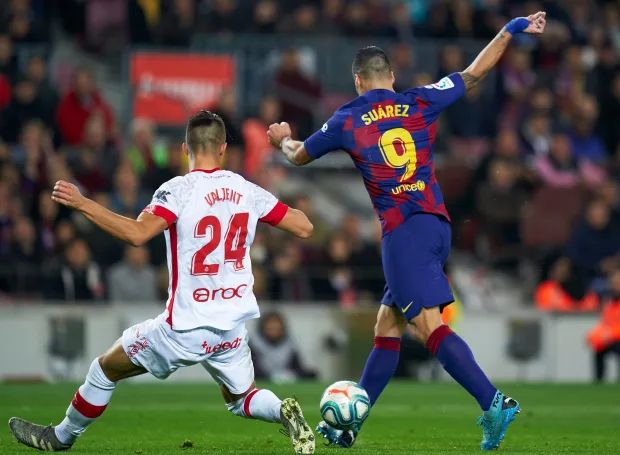
Suárez scored a brilliant backheel goal, 2019

  • On December 7, 2019, in the 16th round of La Liga, Barcelona hosted Mallorca. Suárez scored a brilliant backheel goal against Raillo at Camp Nou, and Barcelona ultimately won 5-2.

Quote

  • Let go of the outcome. Trust the process.

顺从内心,交由命运

在这个信息喧嚣、选择无数的时代,我们常常在“对”与“错”之间徘徊,在“成败”之间焦虑,在“别人怎么看”与“我想做什么”之间拉扯。但或许,真正值得坚守的,不过是这么一件事:做你认为对的事情,做你自己认同的、价值观认可的,让你觉得舒服的事情。

很多人花了一生去追寻“正确”的标准,却忽略了“心安”的重要性。所谓“正确”,往往是别人告诉我们的,而“舒服”却是灵魂的自然回响。你可以选择迎合他人的期待,也可以选择追随内心的声音。真正有力量的选择,从不是盲从标准,而是忠于自己。

做人,先做个好人。不是因为好人一定有好报,而是那样你才不会在深夜辗转反侧,怀疑自己的良知。不是为了赢得掌声,而是为了能够无愧于心。你不需要在每一次选择都追求“结果最优”,只需要尽力让过程问心无愧。其他的,就交给运气,交给命运。

有时候,人们相信“善有善报,恶有恶报”,但现实常常不按剧本走。你可能竭尽全力做好人,心存善意、待人以诚,却依然遭遇误解、冷眼、甚至失败;而另一些人,明知为恶,却凭借算计和手段得到了他们想要的“好结果”。从“唯结果论”的角度来看,似乎结果是唯一的评判标准,谁赢了谁就对,谁成功了谁就被赞美。

但这样的逻辑未免太冰冷了。因为如果你只看结果,不问过程,是否等于默认了一切投机取巧、违背良知的路径也可以被正当化?那“做好人”还有什么意义?

事实上,选择做一个好人,不是因为好人一定有好结果,而是因为那是你愿意成为的样子。你清楚地知道什么是对的,哪怕结果未必如愿,你也能无悔。而如果你选择了作恶,哪怕结果看似风光,你的代价可能是内心的空洞、长期的不安,甚至一个你自己都不再认同的灵魂。

所以,别太执着于结果。因为有时候,好人有坏结果,坏人也可能有好结果,命运不总是公平。真正重要的是:你选择了怎样的方式走到那一步。你能不能在夜深人静时,对自己说一句:“我没有辜负自己的判断。”

我们终其一生,能够掌控的,其实非常有限。最值得努力的,是让自己成为一个坦荡、清醒、温和又坚定的人。不要活成别人的样子,不要为了短期的利益违背内心,不要让世俗的标准吞噬了你独特的价值观。做自己认可的事,活得心安理得。

剩下的,就交给命运吧。它或许无情,但从不偏爱谁。你能做的,就是活成你想成为的样子。无需算计,无需过度焦虑,把自己的角色演好,把自己的底线守好。好或坏,顺或逆,成或败,那都是人生旅途中自然的章节。

当你回望来路,如果能够轻声说一句:“这一路,我没有背叛自己。”那已经是一种巨大的成功。

✦ 总结要点 ✦

  • ✅ 坚持做自己认为对、自己认同、内心舒服的事
  • ✅ 做好人不是为了结果,而是为了内心坦然
  • ✅ 结果未必公平,过程才决定你是谁
  • ✅ 成功不是唯一标准,心安才是真正的胜利
  • ✅ 活得清醒且坦荡,其余交由命运安排

图片

Suárez scored a brilliant backheel goal, 2019

  • 2019年12月7日,西甲第16轮,巴萨主场对马略卡,苏亚雷斯在诺坎普面对拉伊略完成一粒精彩的脚后跟进球,巴萨最终5-2取胜。

名言

  • Let go of the outcome. Trust the process.
  • 放下结果,信任过程。

乔布斯演讲逐句精讲

🟧 1. Except that when I popped out they decided at the last minute that they really wanted a girl

翻译:只是在我出生的时候,他们在最后一刻决定他们其实真正想要的是一个女孩。
解析

  • Except that:转折连词,意为“只不过是”、“只是”;
  • popped out:口语表达,意为“出生”,原意为“突然出现”;
  • at the last minute:在最后一刻;
  • they really wanted a girl:他们真正想要一个女孩。
    整句结构:以轻松口吻讲述出生时被“改变主意”的故事,衔接上文,突出命运转折。

🟧 2. She only relented a few months later when my parents promised that I would go to college

翻译:几个月后,在我父母承诺我一定会上大学时,她才态度缓和下来。
解析

  • relented /rɪˈlentɪd/:变温和、心软、不再坚持;
  • a few months later:几个月后;
  • promised that I would go to college:父母承诺我将来会上大学。
    表达的是生母在送养决定上的态度转变。

🟧 3. all of my working-class parents’ savings were being spent on my college tuition

翻译:我工薪阶层父母的所有积蓄都花在了我的大学学费上。
解析

  • working-class parents:工薪阶层的父母;
  • savings:积蓄;
  • were being spent:过去进行时的被动语态,表示当时持续发生的动作;
  • on my college tuition:介词短语,表示花费方向为“大学学费”。

🟧 4. I returned coke bottles for the 5¢ deposits to buy food with

翻译:我退回可乐瓶以换取 5 美分的押金来买食物。
解析

  • returned coke bottles:退回可乐瓶;
    • returned 表面意思是“退回”,但语境决定这可能是捡来的瓶子;
    • 行为核心是:为了押金换钱吃饭,不在乎瓶子是自己用的还是捡的;
  • for the 5¢ deposits:为了那五美分押金;
  • to buy food with:用这些钱买食物。
    why with? “with” 表示用……作为工具,如果省略,会让句意不完整。

🟧 5. much of what I stumbled into by following my curiosity and intuition turned out to be priceless later on

翻译:很多我因追随自己的好奇心和直觉而偶然踏入的事情,后来都被证明是无价的。
解析

  • much of what I stumbled into:我偶然接触的很多事情;
  • by following:通过追随……;
  • curiosity and intuition:好奇心与直觉;
  • turned out to be priceless:结果是无价的;
  • later on:后来、之后。
    体现“偶然中的必然价值”。

🟧 6. I learned about serif and san serif typefaces, about varying the amount of space between different letter combinations, about what makes great typography great.

翻译:我学到了衬线字体和无衬线字体,学到了改变不同字母组合之间的间距,也学到了是什么让出色的排版变得出色。
解析

  • **serif /ˈserɪf/**:衬线字体;
  • **sans serif /sæn ˈserɪf/**:无衬线字体;
  • varying the amount of space:改变字母间的空隙;
  • **typography /taɪˈpɒgrəfi/**:排版艺术;
  • what makes great typography great:是什么让好排版变得出色。
    强调设计美学的重要影响。

🟧 7. If I had never dropped in on that single course in college, the Mac would have never had multiple typefaces or proportionally spaced fonts.

翻译:如果我当初没有去上那门大学的课程,Mac 就不会有多种字体或按比例间距的字体。
语法解析

  • 虚拟语气(与过去事实相反):

    • **If I had never dropped in on…**(过去完成时)
    • would have had(would + have + 过去分词);
  • dropped in on:顺便旁听、顺便拜访、偶然参加;

  • multiple typefaces:多种字体;

  • proportionally spaced fonts:字母间距合理分布的字体;

  • why two have’s?

    • 第一个是“would have”的助动词结构;
    • 第二个是“have”的过去分词,表示“拥有”。

🟧 8. I felt that I had let the previous generation of entrepreneurs down - that I had dropped the baton as it was being passed to me.

翻译:我觉得自己让上一代企业家们失望了 —— 在接力棒传递给我的时候,我却把它弄掉了。
解析

  • let…down:让……失望;
  • drop the baton:接力棒掉落,暗指辜负责任;
  • as it was being passed:在被传递的过程中,强调时机关键。

🟧 9. tried to apologize for screwing up so badly

翻译:试图为自己把事情搞得如此糟糕而道歉。
词义解析

  • **try to do sth.**:试图做某事;
  • screw up:搞砸(口语);
  • so badly:如此糟糕地。
    描述深刻的反省情绪。

🟧 10. I was a very public failure, and I even thought about running away from the valley. But something slowly began to dawn on me – I still loved what I did.

翻译:我成了一个非常公开的失败者,甚至想过逃离硅谷。但渐渐地,我开始明白一件事 —— 我仍然热爱我所做的事情。
解析

  • public failure:众人皆知的失败;
  • **dawn on sb.**:逐渐明白;
  • still loved what I did:初心未改。

🟧 11. less sure about everything

翻译:对一切都不那么确定了。
结构:less + 形容词 + about sth. 表示“不那么……”。


🟧 12. first computer animated feature film

翻译:第一部电脑动画长片。
词义解析

  • computer animated:由电脑动画制成的;
  • feature film:故事片、正片。

🟧 13. In a remarkable turn of events

翻译:在一次非凡的形势转变中。
短语解释

  • turn of events:局势变化;
  • remarkable:令人惊讶的,非凡的。

🟧 14. It was awful tasting medicine, but I guess the patient needed it

翻译:这是一剂难以下咽的药,但我想病人需要它。
解析

  • awful tasting:味道糟糕的(形容词复合结构);
  • the patient:这里喻指“我”或“经历者”;
  • 用比喻表达:经历虽痛苦,但对成长必要。

🟧 15. You’ve got to find what you love. And that is as true for your work as it is for your lovers.

翻译:你必须找到你所热爱的。这对你的工作来说是如此,对你的爱人来说也是如此。
结构分析

  • have got to:必须;
  • as true for A as for B:对A和B都一样适用。

🟧 16. As with all matters of the heart, you’ll know when you find it.

翻译:就像所有关乎内心的事情一样,当你找到它的时候,你就会知道。
词组解析

  • As with:就像……一样;
  • matters of the heart:感情/心灵层面的事情;
  • you’ll know:你会有一种内在确认。

🟧 17. I read a quote that went something like: “If you live each day as if it was your last, someday you’ll most certainly be right.”

翻译:我读到过一句话,大致是这样的:“如果你把每一天都当成最后一天来过,那么总有一天你一定是对的。”
解析

  • as if it was your last:好像今天是你生命中的最后一天;
  • you’ll most certainly be right:总有一天你是对的。

🟧 18. for too many days in a row

翻译:连续太多天了。
短语

  • in a row:连续地。

🟧 19. You are already naked. There is no reason not to follow your heart.

翻译:你已经一无所有,没有理由不去追随内心。
naked 在这里比喻:没有包袱,没有顾忌。


🟧 20. It means to make sure everything is buttoned up

翻译:这意味着要确保一切都已妥善处理好。
buttoned up:字面“扣上钮扣”,引申为“井然有序、准备周全”。


🟧 21. This was the closest I’ve been to facing death…

翻译:这是我最接近死亡的时候……我希望未来几十年里不会再接近它。
表达对生死的深刻体悟和敬畏。


🟧 22. death was a useful but purely intellectual concept

翻译:死亡曾是一个有用但纯粹是理性层面的概念。
intellectual: 表示 “智力的、理性的”


🟧 23. And that is as it should be

翻译:也应该如此。
简洁表达,强调顺其自然。


🟧 24. Don’t be trapped by dogma

翻译:不要被教条所束缚。
**dogma /ˈdɒɡmə/**:指未经质疑就接受的思想规范。


🟧 25. It was created by a fellow named Stewart Brand not far from here in Menlo Park

翻译:它是由一个名叫斯图尔特・布兰德的人在离这里不远的门洛帕克创造的。
fellow:口语化的“家伙”,表达亲切。


🟧 26. and he brought it to life with his poetic touch

翻译:他以诗意的笔触赋予它生命。


🟧 27. Stewart and his team put out several issues of The Whole Earth Catalog, and then when it had run its course, they put out a final issue

翻译:他们出版了几期《全球概览》,当使命完成时,发行了最后一期。
run its course:走完生命周期。
put out: 出版、发行


🟧 28. Beneath it were the words: “Stay Hungry. Stay Foolish.” It was their farewell message as they signed off. Stay Hungry. Stay Foolish. And I have always wished that for myself. And now, as you graduate to begin anew, I wish that for you.

翻译:在它下面写着这样一句话:“求知若饥,虚心若愚。” 这是他们停刊时的告别语。求知若饥,虚心若愚。我一直希望自己能做到这一点。现在,当你们毕业开始新的征程时,我把这句话送给你们。

Beneath it:意为“在它下面”,“it”指代前文提到的某个对象(如一本杂志或封底图片)。

were the words:表示“有这样一些话”,用的是过去时态。

**Stay Hungry. Stay Foolish.**:直接引用原话,意在强调;原句通常译为“求知若饥,虚心若愚”。

farewell message:告别语。

as they signed off:意为“当他们停刊时”或“结束时”,“sign off”在此语境中指出版物终刊或节目收尾。

I have always wished that for myself:意为“我一直希望自己能做到这一点”,“have always wished”是现在完成时,强调从过去到现在的持续愿望。

as you graduate to begin anew:意为“当你们毕业,开始新的旅程”,“graduate”作动词,“begin anew”表示“重新开始、从头出发”。

I wish that for you:意为“我把这个祝愿送给你们”,“that”指代“Stay Hungry. Stay Foolish.”。


🟧 29. the kind you might find yourself hitchhiking on if you were so adventurous

翻译:如果你足够有冒险精神,你可能会在那种路上搭便车。
the kind: 表示 “那种”
hitchhike:搭便车
find oneself doing sth: 表示 “发现自己在做某事”
**if you were…**:虚拟语气,表达一种设想。


🟧 30. Stay Hungry. Stay Foolish.

翻译:求知若饥,虚心若愚。
整段意义:保持好奇与谦逊,是人生不竭的动力源泉。


🟧 31. but then stayed around as a drop-in for another 18 months or so before I really quit

翻译:但后来我又以旁听者的身份在那里待了大约18个月,才真正离开。

but then: 表示转折
stayed around: 意为 “待在周围、停留”
as a drop-in: 表示 “作为一个偶尔来访的人”


🟧 32. she decided to put me up for adoption

翻译:她决定把我送去让人收养。
put sb. up for adoption:固定短语,意为 “把某人送去让人收养”


🟧 33. 单词讲解:gut 与 karma

gut

  • 直觉:Trust your gut. 相信你的直觉。
  • 勇气:He had the guts to admit it. 他有勇气承认。
  • 肠子/内脏:He was stabbed in the gut.

**karma /ˈkɑːmə/**:

  • 来自佛教、印度教的“业力”,表示“因果报应”:

    • Good karma / bad karma:善有善报,恶有恶报。
    • What goes around comes around.

权游S01E01台词全解析

🔥【野人与死者事件】

What do you expect? They’re savages.
他们是野人,还能怎么样?

One lot steals a goat from another lot,
这伙顺手牵了那伙的山羊,

before you know it they’re ripping each other to pieces.
你还没反应过来,已经杀得碎尸满地。

Our orders were to track the wildlings.
我们受命追查野人行踪。

Your dead men seem to have moved camp.
看来你说的那些死人转移阵地了呀。

A madman sees what he sees.
疯癫之人所见皆是疯癫。

He was talking madness.
可你看他都胡说些什么。

Said the walkers slaughtered his friends.
他说同行的兄弟死于白鬼之手。
*slaughter /ˈslɔː.tər/*:大批屠杀(人或动物)

The two he was with are still missing.
那两个守夜人确实失踪未归。

Hmph. A wildling ambush.
哼,是中了野人的埋伏罢了。
*ambush /ˈæm.bʊʃ/*:伏击


⚔️【处决与北方传统】

Of course they will behead you as a deserter.
到时自然要被当作逃兵砍头。

Winterfell and warden of the north,
临冬城公爵,北境守护。
warden:守护者,监护人

I sentence you to die.
宣判你死刑。

Do you understand why I must do this myself?
你可明白我为何要亲自行刑?

The man who passes the sentence should swing the sword.
判人死刑者必须亲自动手。

Our way is the old way.
我们遵循古老的传统。


🐺【冰原狼与斯塔克孩子】

It’s a direwolf.
是冰原狼。

Tough old beast.
顽强的野兽。
*tough /tʌf/*:坚韧的

They don’t belong down here.
它们不属于这里。
down here:强调“在下面这个地方”

Better a quick death.
不如干脆趁早了结。

Put away your blade.
把匕首收起来。

There are five pups.
总共有五只小狼。

One for each of the Stark children.
史塔克家族的孩子们每人一只。

The direwolf is the sigil of your house.
冰原狼是您家族的纹章。
*sigil /ˈsɪdʒ.ɪl/*:徽章、族徽

They were meant to have them.
他们注定要拥有这些小狼。


🏹【射箭训练与骑士生活】

And which one of you was a marksman at 10?
你们笑的几个十岁就是神箭手了吗?

Relax your bow arm.
持弓臂放松。
bow arm:拿着弓的那只手臂

Get the lads to saddle their horses.
让孩子们备马。
Get:使某人做某事
the lads:小伙子们,士兵


💬【人物情绪与台词修饰】

Fine work as always. Well done.
一如既往的出色,干得好。

I love the detail that you’ve managed to get in these corners.
我很喜欢你在这些细节角落所展现出的精致处理。

语言说明
that you’ve managed to get… 是定语从句,修饰 “the detail”。
manage to do sth 表示“成功做成某事”。
→ “你成功做到的那些细节处理”。


🛡️【忠诚与誓言】

He swore an oath, Cat.
他发过誓,凯特。

Tell Bran he’s coming too.
告诉布兰他也要去。

If you can get word to my family… Tell them I’m no coward.
如果您能给我家人捎句话,告诉他们我不是懦夫。

In the name of Robert of the House Baratheon, the first…
以拜拉席恩家族的劳勃一世之名……

Lord of the Seven Kingdoms and protector of the realm…
七国统治者暨全境守护者……
protector of the realm:国家守护者


👑【铁王座与政务之重】

Whatever Jon Arryn knew or didn’t know, it died with him.
琼恩·艾林知晓的事情早已随他而去。

Robert will choose a new Hand of the King.
劳勃会选一位新首相。

Someone to do his job while he’s off fucking boars and hunting whores.
找个替他干活的,好让他操野猪猎妓女去。

语言说明
while he’s off:当他在外面干……
fucking boars:字面意粗俗,表示沉溺于肉欲或无所事事
hunting whores:猎艳

That’s an honor I can do without.
这份殊荣我可不敢享受。
I can do without:不需要

I wonder if the old gods agree.
不知道旧神是否同意你的话。

It’s your gods with all the rules.
你的七神才喜欢立规矩。


🏰【国王来访与临冬城宴请】

I saw the king. He’s got hundreds of people.
我看见国王了,他率领着上百号人马。
He’s got = He has got,口语中表示“他拥有”。

But he’s coming right now... down our road.
但他马上就要到了,就在大道上。
down our road:沿着我们的道路,向下(或向南)行进。

What are you doing with that on?
你戴着这玩意儿干什么?
with that on:穿着或戴着某物(on 表示附着或穿戴)。

Where the hell have you been?
你都到哪里去了?

– Where’s the Imp? – Will you shut up?
– 小恶魔呢? – 能不能闭嘴?
*Imp /ɪmp/*:小恶魔、小妖精(含嘲讽意味)。

Who have we here?
瞧瞧这里都有谁?

Take me to your crypt. I want to pay my respects.
带我到你们家墓窖去,我要聊表敬意。
*crypt /krɪpt/*:地下墓室,教堂地下空间。

Surely the dead can wait.
死人总是可以等一等的。

Now the Starks are feasting us at sundown.
史塔克家要在日落时分为我们设宴。
feasting us:宴请我们。
at sundown:日落时分。

And this is the first of many courses.
而这是多道菜中的第一道。
courses:宴会中的一道菜。

But since we’re short on time…
既然时间仓促……
we’re short on time:时间紧张。


👸【家族与联姻】

There’s our bride-to-be.
原来准新娘在这里。
bride-to-be:未来的新娘。

Isn’t he a gracious host?
他真是个体贴的主人。

You still slouch.
你总是弯腰驼背。

When they write the history of my reign, sweet sister…
将来史家为我立传时,亲爱的妹妹……
*reign /reɪn/*:统治时期。

We were meant to rule together.
我们注定是要并肩治理国家的。
meant to:注定要……
rule together:一同执政。

If your sister had lived, we’d have been bound by blood.
倘若你妹妹还活着,我们现在就是联姻手足。
bound by blood:以血脉相连。

We’ll join our houses.
我们两家会结合在一起。
join our houses:古时指王族联姻。

I hear he’s more than earned it.
听说他实至名归。
more than earned it:远不止配得上。

I hear he’s a drunken little lecher.
还听说他是个嗜酒的小色鬼。
lecher:好色之徒。
drunken:嗜酒的。

prone to all manner of perversions.
喜欢玩各种各样的变态花样。
prone to:倾向于……
perversions /pərˈvɜː.ʃənz/*:性变态,反常行为。

Our sister craves your attention.
我们的姐姐急需你的关心。
craves:渴望。

She has odd cravings, our sister.
我们的这位姐姐需求很奇特。
odd cravings:怪异的欲望。

A family trait.
家族特性。
trait:特征,特性。


🐉【坦格利安家族与卓戈】

May I present my honored guests?
容许我介绍两位尊贵的客人。
present:介绍、出示。

Viserys of House Targaryen.
来自坦格利安家族的维赛里斯。

The Dothraki are not known for their punctuality.
多斯拉克人并非以守时闻名。
*punctuality /ˌpʌŋktʃuˈæləti/*:守时。

When Dothraki are defeated in combat…
每当多斯拉克人在战斗中落败……
combat:战斗。

They cut off their braids so the whole world can see their shame.
他们便割去辫子以示羞辱。

It won’t be long now.
不会等太久了。

The people drink secret toasts.
人们偷偷举杯祝酒。
secret toasts:秘密敬酒仪式。

They cry out for their true king.
他们呼喊着真正的王者归来。

Soon. The Dothraki never stay still for long.
很快。多斯拉克人从不久留。
stay still:安分呆着。

Is it true they lie with their horses?
他们真的连马都搞吗?
lie with:委婉地表示发生性关系。

Kings lack the caution of common men.
王者无凡虑(国王缺乏普通人的谨慎)。
lack the caution:缺乏谨慎。

My apologies if I’ve given offense.
若我冒犯了您,请见谅。

I know how to play a man like Drogo.
我知道怎么拿捏卓戈这种人。
play a man:操控、应对某人。

But they took it from us.
可我们的家早被夺走了。

I would let his whole tribe fuck you… if that’s what it took.
就算让他整个部族操你也行,只要能达成目标。
if that’s what it took:如果那就是代价。

Hush now. Your father hasn’t even said yes.
先别说了,你父亲还没答应呢。
Hush now:别说话了,安静点。


👶【琼恩·雪诺身份与“私生子”主题】

Why aren’t you at the feast?
你怎么不去参加宴席?

Lady Stark thought it might insult the royal family
史塔克夫人认为,今晚若让私生子同桌用餐,
it might insult:这可能会冒犯。
the royal family:王室。

to seat a bastard in their midst.
对王族是一种侮辱。
in their midst:在他们当中;bastard:私生子。

We have no families.
我们这些人不能成家。

– None of us will ever father sons – I don’t care about that!
– 永远不会生儿育女 – 我才不在乎那个。
father sons:当父亲,有儿子(father 作动词)。

You might, if you knew what it meant.
你若知道那意味着什么,就会在乎。

I’d better get inside, rescue your father from his guests.
我该进去了,要帮你父亲应付宾客。

What are you doing back there?
你来这里干什么?
back there:那里,指说话人视线之外的区域。

Did I offend you? Sorry.
我冒犯到你了吗?对不起。

You are the bastard though.
不过你确实是个私生子。
though:然而,不过。

Wear it like armor, and it can never be used to hurt you.
用它来武装自己,别人就无法用它来伤你。
armor:盔甲,象征保护。

What the hell do you know about being a bastard?
你又知道身为私生子的感觉?

All dwarves are bastards in their father’s eyes.
全天下的侏儒在他们父亲眼里都是私生子。
*dwarves /dwɔːrvz/*:侏儒的复数。


⚠️【密信、逃亡与阴谋】

She’s fled the Capital.
她已经从君临逃走了。
fled:逃跑,逃离(flee 的过去分词)。

She’s fresh widowed, Cat.
她刚刚失去丈夫,凯特。
*fresh widowed /ˈwɪd.oʊd/*:刚守寡的。

Lysa’s head would be on a spike right now...
如果这封信落到他人手里,莱莎的头早挂在城门上了。
on a spike:插在尖桩上示众。

and the Lannisters conspire against the Throne.
兰尼斯特家族正在密谋篡位。
conspire:密谋,图谋不轨。

We need to begin planning the invasion.
我们得开始商讨出兵的事宜。
invasion:入侵,攻打。

If Khal Drogo has promised you a crown…
卓戈·卡奥若承诺赐你王冠……
crown:象征王位的皇冠。

When their omens favor war.
待到他们的征兆表明宜战之时。
*omens /ˈoʊ.mənz/*:预兆。
favor:有利于。

I piss on Dothraki omens.
去他妈的多斯拉克预兆。
*I piss on…*:蔑视,根本不屑。


🧙【提利昂与都城生活】

We’ll need plenty of candles for Lord Tyrion’s chamber.
提利昂大人的房间要备好大量蜡烛。

I’m told he reads all night.
据说他通宵达旦地读书。

How much could he possibly drink? A man of his… stature?
他那样的身量能喝多少?
stature:身高、体格。

We’ve brought up eight barrels of ale from the cellar.
我们从酒窖里取了八桶麦芽酒。
barrel:桶。ale:英式麦芽啤酒。
cellar:地窖。

Why is your mother so dead set on us getting pretty for the King?
你母亲干嘛一定要我们打扮整齐去见国王?
dead set on:执意,坚决要做。

I hear she’s a sleek bit of mink.
听说她是个打扮得体的女人。
a sleek bit of mink:俚语,性感迷人、有品味的女人。

I hear the Prince is a right royal prick.
听说王子是个不折不扣的王室傻屌。
right royal + 名词:彻头彻尾的……
prick:粗俗词,蠢货、混蛋。

Think of all those southern girls he gets to stab with his right royal prick.
想想他用那根王族傻屌睡了多少南方姑娘。
stab:双关词,这里隐喻性行为。

Go on, Tommy, shear him good.
继续剪,托米,好好给他来一刀。
shear:剪毛,引申为剪发。


💀【结尾悬念与“白鬼”伏笔】

Burned right through him, whatever it was.
不管那玩意儿是什么,它直接烧穿了他。
burned right through him:烧透/烧穿他的身体。
whatever it was:无论那是什么(带有神秘感、不确定性)。

All I wanted to do was crack skulls and fuck girls.
我满脑子都是打打杀杀和寻欢作乐。
crack skulls:砸碎头骨,引申为“打仗”、“暴力”。
fuck girls:寻花问柳(粗俗表达)。

I need you, Ned… down at King’s Landing, not up here where you’re no damn use to anybody.
奈德,我需要你去君临,不是在这鸟不拉屎的地方当个闲人。
no damn use:一点用都没有(粗俗强调)。

I’m trying to get you to run my kingdom
我希望你来治理我的王国。

while I eat, drink and whore my way to an early grave.
而我自己痛痛快快地吃喝嫖赌,早早死掉。
*whore /hɔːr/*:嫖妓;也泛指沉迷享乐。
to an early grave:早死(过度放纵的隐喻)。

You helped me win the Iron Throne, now help me keep the damn thing.
你帮我赢得了铁王座,现在也得帮我守住它。
the damn thing:该死的东西,口语中情绪色彩强烈。

If your sister had lived, we’d have been bound by blood.
若你妹妹还在,我们早已联姻成一家。

We’ll join our houses.
我们两大家族将联姻结盟。


🧊【角色名言与情感总结】

Oh? I hear he’s more than earned it.
哦?听说他实至名归。

I hear he’s a drunken little lecher, prone to all manner of perversions.
听说他是个嗜酒的小色鬼,喜欢各种变态玩法。
lecher:淫荡者;prone to:容易……;perversions:性变态、反常行为。

We’ve been expecting you, Lord Tyrion.
我们一直在等您,提利昂大人。

She’s fresh widowed, Cat.
她刚刚失去丈夫,凯特。

Thank you, magister.
多谢,总督。
*magister /ˈmædʒɪstər/*:导师、高级学者、贵族长官(古典或奇幻用法)。

Rough night, Imp?
昨晚过得不太平吧,小恶魔?
rough night:难熬的一晚。

If I get through this without squirting from one end or the other, it’ll be a miracle.
如果我能不吐也不泻就熬过去,那简直是奇迹。
squirting:喷射,这里幽默地指呕吐或腹泻。

The greatest in the land… my spear never misses.
我可是天下第一,我的枪无虚发。
*spear /spɪr/*:长矛;此处双关也含男性性暗示。

It’s not hunting if you pay for it.
如果花钱买,那就不是打猎了。
(暗指去妓院不是真本事)

Are you as good with a spear as you used to be?
你的枪术还像当年那么厉害吗?

I know what I’m putting you through.
我知道我让你经历了多少为难。
put someone through sth:让某人经历痛苦或麻烦。

And I’ll make sure you don’t look so fucking grim all the time.
我保证让你别老是一副死样子。
look grim:表情冷峻、沮丧。

Come on, boys, let’s go kill some boar!
走吧,小伙子们,咱们去猎几头野猪!
kill some boar:打猎放松(也象征男性英雄主义)。

I heard you the first time.
我第一次听你说就听到了。
(表示不耐烦)

Quite the little climber, aren’t you?
你这小家伙还真能爬啊,是不是?
*Quite the…*:非常……

The things I do for love.
瞧我为了爱做了些什么啊。
(詹姆经典台词)
→ 讽刺性名句,表面是温情,实则“我为爱甘愿犯下罪行”。


📌 总结回顾:《权力的游戏》第1季第1集核心语言学习结构整理完成,结构如下:

  1. 🔥 野人与死者事件
  2. ⚔️ 处决与北境传统
  3. 🐺 冰原狼与斯塔克孩子
  4. 🏹 射箭训练与骑士生活
  5. 🛡️ 忠诚与誓言
  6. 👑 铁王座与政务重担
  7. 🏰 国王来访与临冬宴请
  8. 👸 家族联姻与王族安排
  9. 🐉 坦格利安与卓戈婚姻
  10. 👶 琼恩·雪诺身份探讨
  11. ⚠️ 密信、逃亡与阴谋
  12. 🧙 提利昂与都城生活
  13. 💀 结尾悬念与“白鬼”伏笔
  14. 🧊 角色名言与情感总结

A Rational Deconstruction of Parental “Grace”: The Nature of Responsibility and the Myth of Gratitude

Traditional thought holds that giving birth to and raising children is a monumental act of kindness, one that children must repay with lifelong gratitude. This “theory of parental grace” has long dominated our ethical and emotional views, suppressing individual autonomy and turning filial piety into a form of moral coercion. However, both logically and practically, this notion does not hold up to scrutiny.


1. Birth Is a Choice, Not a Favor

Most people have children not out of consideration for the child’s well-being, but due to instinct, social pressure, emotional need, or even by accident. Bringing a child into the world is a decision made entirely by the parents—one in which the child had no say. Since the child is a passive result of this choice, they should not be passively burdened with an obligation to be grateful.

Logically speaking, a non-existent person cannot request to be born. Without a request, how can there be a favor? A “favor” implies a conscious act of giving in response to another’s need. Clearly, reproduction does not meet this definition.


2. Parental Responsibility Outweighs Filial Obligation

As the Chinese thinker Hu Shi once said: “By bringing him into the world, we have taken on a responsibility toward him.” Parenthood inherently comes with duties—to nurture, protect, and support. These are not acts of kindness, but consequences of a chosen action. Framing responsibility as a favor is an ethical sleight of hand—transforming a duty into a moral debt that the child is expected to repay.

Raising a child is not an act of charity. Just as owning a dog does not entitle someone to its gratitude, raising a child does not entitle parents to repayment.


3. “Gratitude” as a Tool of Emotional Manipulation

The phrase “You should be grateful—I raised you” is, at its core, emotional blackmail. It transforms familial love into a debt relationship, trapping children in a lifelong sense of psychological obligation and stunting their personal autonomy. In many families, this so-called “grace” becomes a convenient justification for controlling the child’s life and limiting their freedom.

Love and respect should be earned through character and action, not granted automatically due to biological ties. As Luo Yonghao bluntly put it, “If my parents are assholes, I won’t love them.” While harsh, it underscores a truth: blood alone is not a moral exemption.


4. Individual Autonomy Over Bloodline Worship

Hu Shi once wrote to his son: “I am not your prequel, and you are not my sequel.” This statement reflects a deep respect for his child’s individuality and serves as a direct challenge to the idea of parental supremacy. Children are not extensions of their parents’ moral legacy, nor are they instruments for fulfilling parental desires. Every person is a complete and autonomous being, entitled to their own choices and way of life.


5. Conclusion: No Favor, No Debt

Parents deserve love and respect only if their actions and character warrant it—not merely because they gave birth to you. Emotional bonds can be cultivated, but never demanded. Reproduction is a choice, parenting is a responsibility, and affection is a result—not a transaction.

The so-called “theory of parental grace” is not a moral truth but a tool for maintaining order in traditional societies. To question it is not to reject one’s parents, but to restore the true nature of human relationships—placing love and duty back where they belong.


Picture

Nani celebrated with a trademark backflip, 2007

  • On October 27, 2007, in Premier League Round 11, Manchester United secured their eighth straight win with a 4-1 home victory over Middlesbrough. Nani opened the scoring with a stunning long-range strike and celebrated with a trademark backflip, while Rooney contributed one goal and two assists, and Tevez scored twice.

Quote

  • “Life is not a gift if it comes with strings attached.”

父母恩德的理性解构:责任的本质与情感的迷思

传统观念认为,父母生育并抚养子女是一种“天大的恩德”,子女因此必须感恩报答。这种“父母恩德论”长期主导着伦理和亲情观,压制个体意志,使“孝”成为无法反驳的道德勒索。然而,从逻辑和现实出发,这种观念本身并不成立。


一、生育不是恩情,而是行为选择

大多数人生育不是为了子女的福祉,而是出于本能、社会压力、情感寄托或意外。父母将孩子带入这个世界,是基于自身的决定,子女并未参与,也无从选择。既然孩子是被动的结果,就不应被动承担所谓的“感恩义务”。

从逻辑上讲,没有一个不存在的个体能够请求被生下。既无请求,何来恩情?恩是一种主动给予且对方需要的行为,生育显然不符合这一定义。


二、父母的责任优于子女的义务

胡适指出:“我们把他带到世界上来,便是我们对他有了责任。”父母生育后自动承担抚养和保护义务,这种责任不是施恩,而是行为带来的后果。把责任包装成恩情,实则是将本应承担的义务转换为对子女的道德要求,是伦理上的偷换概念。

养育不是一种施舍。就像一个人养了狗,不代表狗要感恩图报一样,父母养育孩子,不意味着孩子要“还债”。


三、“感恩”常被用作情感控制的工具

“你要感恩,因为我养你”这句话本质上是一种情感绑架。它将亲情转化为债务关系,使子女在心理上长期处于负债状态,难以形成独立人格。所谓“恩德”,在许多家庭中成为压迫自由、干涉人生的正当化工具。

爱与敬重应基于父母的品格与行为,而不是基于生理上的关系。罗永浩所说:“如果父母是混蛋,我就不爱他们”,看似激烈,但道出了一个事实——亲情不能成为豁免权。


四、个体独立性优先于血缘崇拜

胡适在给儿子的信中写道:“我并不是你的前传,你也不是我的续篇。”这种对孩子独立人格的尊重,是对传统“父母至上”观念的根本反驳。子女不是父母的道德延伸,也不是为父母而活的工具。每个人都应被视为完整且独立的存在,拥有选择自己生活方式的自由。


五、结论:没有恩,也就无须“报恩”

父母如果值得敬爱,是因为他们的行为、品格值得,而不是因为他们“生了你”。情感是可以建立的,但不能强求。生育是行为,养育是责任,感情是结果,而不是交换。

所谓“父母恩德论”,本质上是传统社会维系秩序的一种工具,而非符合伦理逻辑的真理。对它的反思,不是为了否定父母,而是为了还原真实的人际结构,让爱与责任都回归应有的位置。


图片

Nani celebrated with a trademark backflip, 2007

  • 2007年10月27日,英超第11轮,曼联主场4-1大胜米德尔斯堡,豪取八连胜。纳尼世界波破门后空翻庆祝,鲁尼一射两传,特维斯梅开二度。

名言

  • “Life is not a gift if it comes with strings attached.”
  • “如果生命附带条件,那它就不是礼物。”

The Heroization of the Early-Deceased: An Analysis of Social Psychology and Cultural Construction

In modern society, many individuals regarded as “great” are often endowed with extraordinary symbolic significance due to their premature death. The early death of a person tends to freeze their image in public memory, transforming them into immortal icons. This phenomenon involves not only individual historical contributions but also reveals deeper mechanisms of social psychology and the construction of cultural symbols. This article aims to explore how early-deceased figures are idealized under the influence of collective psychology and become cultural symbols, analyzing the psychological mechanisms and social functions behind this phenomenon.

I. The Relationship Between Early Death and Idealization

The premature death of a figure effectively freezes their life at a particular moment—usually a highlight of their achievements or a peak of moral or spiritual expression. Compared to their contemporaries, early-deceased individuals do not face the ongoing complexities of life and reality; thus, they are not exposed to the risk of revealing flaws or internal conflicts. Death “freezes” their image, and this freezing effect leads them to be remembered as idealized beings rather than multidimensional individuals. In the collective memory of society, early-deceased figures easily become symbols of “perfection,” devoid of critical reflection on their complexity.

This phenomenon is widespread in both historical and contemporary contexts. From literature to real life, early-deceased individuals are frequently imbued with noble and pure qualities, becoming moral exemplars. Many heroic characters in literature die at the pinnacle of their lives, and the timing of their death further magnifies their image, making them unforgettable. In real life, the public often heroizes the early-deceased, interpreting their unfinished careers or unrealized futures as eternal “regrets” that paradoxically enhance their spiritual significance.

II. Society’s Need for Heroes

At certain historical moments or within specific social contexts, the public’s need for heroes becomes particularly intense. The process of heroization is a response to this need. Society shapes heroic figures to seek a sense of identity, emotional anchoring, or moral guidance. Early-deceased individuals often serve as ideal carriers of such hero images, especially when their deaths are closely tied to social conflicts or political events, which endow their passing with a symbolic meaning.

The need for heroes goes beyond recognizing individual virtues; it reflects a yearning for societal ideals. When societies face challenges or crises, people tend to look to individuals as sources of inspiration or moral strength. The actions, choices, and words of early-deceased figures often resonate deeply with core societal values. Thus, when these individuals die, society readily elevates them as symbols of greatness. Heroization, then, becomes both a tribute to individual behavior and an affirmation of collective ideals.

III. Unfinished Greatness and Symbolic Construction

The magnification of greatness in early-deceased individuals is partly due to the “unfinished” nature of their lives. This sense of incompleteness gives rise to a perception of “infinite potential.” Because their lives are cut short, their futures become an imaginative space for the public, allowing their image to remain pure and idealized. Without the exposure to flaws or the messiness of growth, society freezes these individuals in their most “perfect” state. This idealization endows them with symbolic significance.

This phenomenon reflects not only on individuals but also on the mechanisms of cultural symbol-making. Unfinished greatness often becomes a projection of social ideals, symbolizing potential and infinite possibilities. In these figures, society sees unfulfilled dreams and aspirations. Their premature death enriches their image and makes it more powerful. As a result, early-deceased figures are often imbued with profound cultural meaning, becoming symbols of a particular historical stage.

IV. Emotional Reasoning and the Shaping of Collective Memory

Emotional reasoning refers to the tendency to rely more on emotional responses than rational analysis in certain situations. The heroization of early-deceased individuals is a manifestation of this phenomenon. Faced with these figures, the public often struggles to confront the complexities behind their deaths, and instead leans toward idealization. Emotional responses frequently exaggerate a person’s virtues while overlooking their flaws or contradictions.

The shaping of collective memory also plays a crucial role in this process. Through selective memory and narrative transmission, society gradually crafts the image of early-deceased figures into cultural symbols. These individuals are endowed with specific symbolic meanings that go beyond their actual historical contributions, evolving into broader markers of cultural identity. This construction of collective memory transforms early-deceased figures into icons of history, rather than merely individual persons.

V. The Far-Reaching Impact of Heroization

While the heroization of early-deceased individuals offers emotional comfort and a sense of identity for society, it also reveals underlying mechanisms worth examining. The process of idealization often oversimplifies individuals, ignoring their complexity and multidimensional nature. In turning these individuals into one-dimensional symbols, society may also overlook the broader social structures and contexts that shaped their lives.

Another consequence of this phenomenon is that it may obscure deeper societal issues. When an early-deceased figure becomes a heroic symbol, society tends to frame their tragedy as an individual event rather than examining it within a broader sociopolitical context. While emotional responses can offer short-term solace, they may fail to address the root causes of needed social change.

Conclusion

The heroization of early-deceased figures is both a natural result of psychological processes and a product of cultural symbol construction. Through their idealization, society finds emotional anchorage and affirms shared values. However, this phenomenon also serves as a reminder that behind every heroized figure lies a risk of oversimplification and avoidance of reality. Maintaining rationality and critical reflection while honoring and remembering historical figures may be the key to a more meaningful engagement with the past.


Picture

French captain Zinedine Zidane headbutted Italian player Marco Materazzi, 2006

  • On July 9, 2006, at the Olympiastadion in Berlin, during extra time of the FIFA World Cup Final, French captain Zinedine Zidane headbutted Italian player Marco Materazzi in the chest and was shown a straight red card.

Quote

  • To die young is to be forever remembered as young.

早逝人物的英雄化现象:社会心理与文化构建的分析

在现代社会,许多被视为“伟大”的人物往往因其早逝而被赋予超凡的象征意义。人物的早逝往往使其形象在公众记忆中凝固,成为不朽的符号。这一现象不仅涉及个体的历史贡献,更反映了深层次的社会心理机制与文化符号的构建。本文旨在探讨早逝人物如何在社会心理的作用下被理想化,并成为文化象征,分析这一现象背后的心理学机制与社会功能。

一、早逝与理想化的关系

人物的早逝在某种程度上使其生命定格在一个特定的时刻,这一时刻通常是生命中的高光时刻或某种道德、精神表现的巅峰。与其余同类人物相比,早逝的人物未能继续面临复杂的现实环境和生活的多重压力,因此没有机会展示可能的缺陷或内在冲突。死亡使得人物形象“冻结”,这一冻结作用使早逝人物往往被铭记为理想化的存在,而非全面立体的个体。社会集体记忆中的早逝人物因此容易成为“完美”的象征,缺乏对其复杂性的反思。

这一现象在历史和当代社会中屡见不鲜。从文学到现实生活,早逝人物经常被赋予高尚、纯粹的品质,成为人们追求的道德标杆。文学作品中的许多英雄人物往往在其生命最辉煌的时刻死去,这一死亡的时机往往让他们的形象更加鲜明,令人无法忘怀。现实生活中,公众也常常将早逝的个人英雄化,认为他们未能完成的事业或未曾降临的未来,都是不可磨灭的“遗憾”,这一遗憾反而赋予他们更多的精神价值。

二、社会对英雄的需求

在某些历史时期或社会背景下,公众对英雄的需求尤为强烈。英雄化的过程正是这一需求的产物。社会通过塑造英雄形象来寻求认同感、情感寄托或道德指引。早逝人物往往成为这种英雄形象的载体,特别是当他们的死与社会冲突或政治事件紧密相连时,他们的死亡便被赋予了一种“象征性”的意义。

英雄的需求不仅是对个人品质的认可,更是对社会理想的呼唤。当社会面临挑战或困境时,人们常常希望从个体身上找到某种精神寄托或力量来源。早逝人物在生前的行为、选择、言论等方面,往往与社会的核心价值观产生强烈的共鸣。因此,当这些人物不幸离世时,社会便容易将其推崇为“伟大”的象征。这种英雄化的过程,既是对人物行为的纪念,也是对社会理想的确认。

三、未完成的伟大与象征性构建

早逝人物的伟大之所以能得到放大,部分原因在于他们的生命并未“完成”。这一未完成的伟大赋予了他们一种“无限可能性”。由于早逝,个体的未来与可能性成为人们想象的空间,从而使得他们的形象更加纯粹和理想化。社会往往在没有看到其不足或成长过程的情况下,将人物定格为永远处于最完美的状态,这种理想化的形象使得人物本身带有某种象征意义。

这一现象不仅体现在个体身上,还反映了文化符号的建构机制。未完成的伟大往往成为社会理想的投射,它象征着一种潜力和无限的可能性。在这些人物的身上,社会看到了自己未曾实现的理想和追求,这种未完成的伟大使得人物形象变得更加丰满和有力。因此,早逝人物往往被赋予了更多的文化意义,成为某一历史阶段的象征。

四、情感化推理与集体记忆的塑造

情感化推理是指人们在面对某些情境时,常常更多依赖情感反应而非理性分析。早逝人物的英雄化,正是情感化推理的一种表现。公众在面对这些人物时,常常难以接受死亡背后的复杂性,反而倾向于将其理想化。人们的情感反应常常导致对人物优点的过度夸大,而对其可能的缺点和矛盾则忽略不计。

集体记忆的塑造在这一过程中也起到了重要作用。社会通过对早逝人物的记忆选择和传递,逐渐将这些人物塑造为文化符号。早逝人物的形象被赋予某种特定的象征意义,这种意义往往超越了人物本身的历史贡献,成为一种广泛的文化认同。这种集体记忆的建构使得早逝人物成为历史的象征,而非单纯的个体。

五、英雄化现象的深远影响

尽管早逝人物的英雄化为社会提供了情感慰藉与认同感,但这一现象的背后,潜藏着一些值得思考的社会机制。过度理想化的过程,往往忽视了人物的多维性和复杂性。将早逝人物单一化、符号化的同时,也可能让人们忽略了这些人物所代表的更广泛的社会背景与结构性问题。

这种现象的另一面是,它可能会导致社会对更为深层次问题的忽视。当某个早逝人物成为英雄符号时,社会往往倾向于将其问题归结为个体的悲剧,而非将其放置于更广阔的社会语境中审视。这种情感化的反应虽然能够带来短期的慰藉,但可能并未真正触及到社会变革的根本需求。

结语

早逝人物的英雄化现象,既是社会心理机制的自然结果,也是文化符号建构的产物。通过对早逝人物的理想化,社会能够寻找到情感寄托,并通过这些人物的形象确认某种社会价值。然而,这一现象也提醒我们,英雄化的背后隐藏着对复杂性的简化与对现实的回避。如何在追忆和崇敬中保持理性与反思,或许是我们在面对历史人物时需要不断思考的问题。


图片

French captain Zinedine Zidane headbutted Italian player Marco Materazzi, 2006

  • 2006年7月9日,德国柏林奥林匹克体育场,世界杯决赛加时赛中,法国队长齐达内用头撞击意大利球员马特拉齐胸口,被直接红牌罚下。

名言

  • To die young is to be forever remembered as young.
  • 英年早逝者,将永远被记作年轻的模样。

A Rational Analysis of the Independent Elderly Phenomenon

1. Introduction

With the intensifying global trend of population aging, the issue of independence among the elderly has drawn increasing attention. The term “independent elderly” not only refers to their ability to manage daily life but also encompasses psychological autonomy and active social participation. This sense of autonomy greatly influences the quality of life for the elderly and is closely tied to the overall happiness of families and society. However, in reality, many elderly individuals struggle to live truly independent lives after entering old age, often due to long-standing habits and socially defined roles, resulting in greater dependence on family and children. This phenomenon reflects not only the psychological traits of the elderly group but also reveals deeper sociocultural undercurrents.

2. Phenomenon Description

In today’s society, many elderly individuals lead family-centered lives, sometimes to the extent of excessive dependence on their children. For example, after retirement, a lack of clear hobbies or shrinking social circles often causes them to place all emotional expectations on their children. Some may even urge their children to have babies or frequently demand companionship to fill their inner loneliness. In contrast, there are relatively few elderly individuals who actively pursue hobbies, learn new skills (such as foreign languages or technical skills), or engage in social activities. This dependency is evident not only in daily routines but also in their mental state and emotional reliance.

3. Analysis of the Causes

  1. Role Transition and Loss of Identity
    The social roles of elderly individuals undergo significant change after retirement. Many people derive identity and social value from their careers, and once they step away from the workplace, this role is abruptly taken away. The sudden and drastic shift in identity leaves many elderly people struggling to find a new sense of self, leading to a diminished sense of autonomy and independence.

  2. Lack of Interests and Hobbies
    In their younger years, many people dedicate their time and energy primarily to work and family responsibilities, neglecting the development of personal interests and hobbies. As a result, when they reach old age, they lack meaningful activities to fill their time and emotional needs, further deepening their dependence on their children.

  3. Insufficient Social Support Systems
    Although modern society is gradually improving its support systems for the elderly, significant gaps still remain. Limited access to community activities, mental health counseling, and interest development programs makes it difficult for many elderly individuals to establish fulfilling routines after retirement.


Picture

Zidane scored a stunning left-footed volley, 2002

  • On May 15, 2002, at Hampden Park in Glasgow, Zinedine Zidane scored a stunning left-footed volley in the UEFA Champions League final, helping Real Madrid defeat Bayer Leverkusen 2-1 and secure the club’s ninth European title.

Quote

  • The greatest thing in the world is to know how to belong to oneself.