So Far, So Near: The Tangible Moments of Death
For most people, death is a distant, abstract concept. We speak of it casually—“when the time comes,” “after a hundred years”—as if it’s a concern for some far-off future. But in certain moments when life is truly shaken, death suddenly feels near. Uncomfortably near. Near enough to suffocate. Near enough to make us realize that between us and the end lies only a breath, an accident, a message out of nowhere.
I. From “Hearing About It” to “Feeling It”: The First Encounter with Death
When we experience the death of a relative as children, we are often passive observers, with little comprehension of what’s happening. Adults whisper through tears, wear solemn expressions, and bring us along to funerals. But we don’t yet understand the weight of the word “goodbye.” Back then, death was like a distant storm in a fairy tale—we’d heard of it, but never truly felt it.
It wasn’t until adulthood that death pierced the surface of life and struck directly into our emotional core.
Shortly after graduating from college, I heard that a former middle school classmate had passed away. The shock wasn’t because we were close, but because he was young—just like me—barely starting out in life. How could it all end so suddenly? That was the first time I truly felt the proximity of death—not as something that only happens to the elderly, but as something that could take away anyone around me, at any time, perhaps even myself.
II. The Death of Icons: Breaking the Myth of Invincibility
The second time death truly hit me was the year Kobe Bryant passed away. He was a global legend, admired by millions. His sudden death in a helicopter crash, shortly after retirement and seemingly at the height of life, left the world stunned.
We subconsciously believe that the strong—celebrities, athletes, heroes—are immune to death. They appear healthy, wealthy, surrounded by teams and doctors. But death spares no one. The abrupt disappearance of someone so iconic shattered the illusion that we can somehow control our fate.
III. The Passing of the Old: The Relentless Wheel of Time
On Jackie Chan’s Weibo, you often see farewell messages to his peers. Once a superstar known for his vitality and fearless stunts, his social media is now a place for goodbyes. Line by line, he bids farewell. And line by line, we are reminded: they are aging.
My father once told me he was removing some people from his WeChat contacts. I thought he was cutting ties or downsizing his social circle. But he said, quietly, “They’ve passed away. Seeing their names there just feels wrong.” In that moment, I realized that as we grow older, our contact lists slowly become registers of absence—names still there, but lives no longer behind them.
The recent passing of Chua Lam, a flamboyant food critic and cultural figure, further underscored this sense of closure. A man who lived fully, never married, and left behind no children—yet his lifestyle and voice were unmistakable. His quiet departure felt like the curtain closing on a certain kind of era.
IV. When the Young Die: A Deeper Sense of Powerlessness
The most heartbreaking recent news was the sudden death of Liverpool forward Diogo Jota in a car accident at just 28 years old. Young, healthy, with a bright career ahead—his life should have stretched wide open before him. But again, death arrived without warning. One accident, one announcement, and every possibility was erased.
Unlike illness, which may come with signs or a process of deterioration, sudden tragedies leave no room to prepare. They feel brutally unfair. One day you’re running on the pitch, the next you’re gone. Death waits at the corners of ordinary life—silent, unseen.
V. So Far, So Near
So, is death far away, or close at hand?
It feels distant—something for philosophers to debate, something only the elderly need to consider, or something that belongs to war zones and hospital beds. But it is also deeply personal, right beside us. It arrives in a social media post, a name in the group chat, a phone call in the night. Every time it gets close, we’re startled to realize: it has always been here, just out of sight.
From a rational perspective, death is the inevitable conclusion to every life. It follows no schedule, no rules of fairness. It is not deterred by youth, wealth, fame, or preparation. It is the one certainty written into the contract of being alive.
What makes death so powerful is not merely its arrival, but our tendency to forget it exists. When it forces us to face it, death becomes the clearest outline in the mirror of life—compelling us to reflect, to reconsider what it means to live, and what truly matters in the time we’re given.
Picture
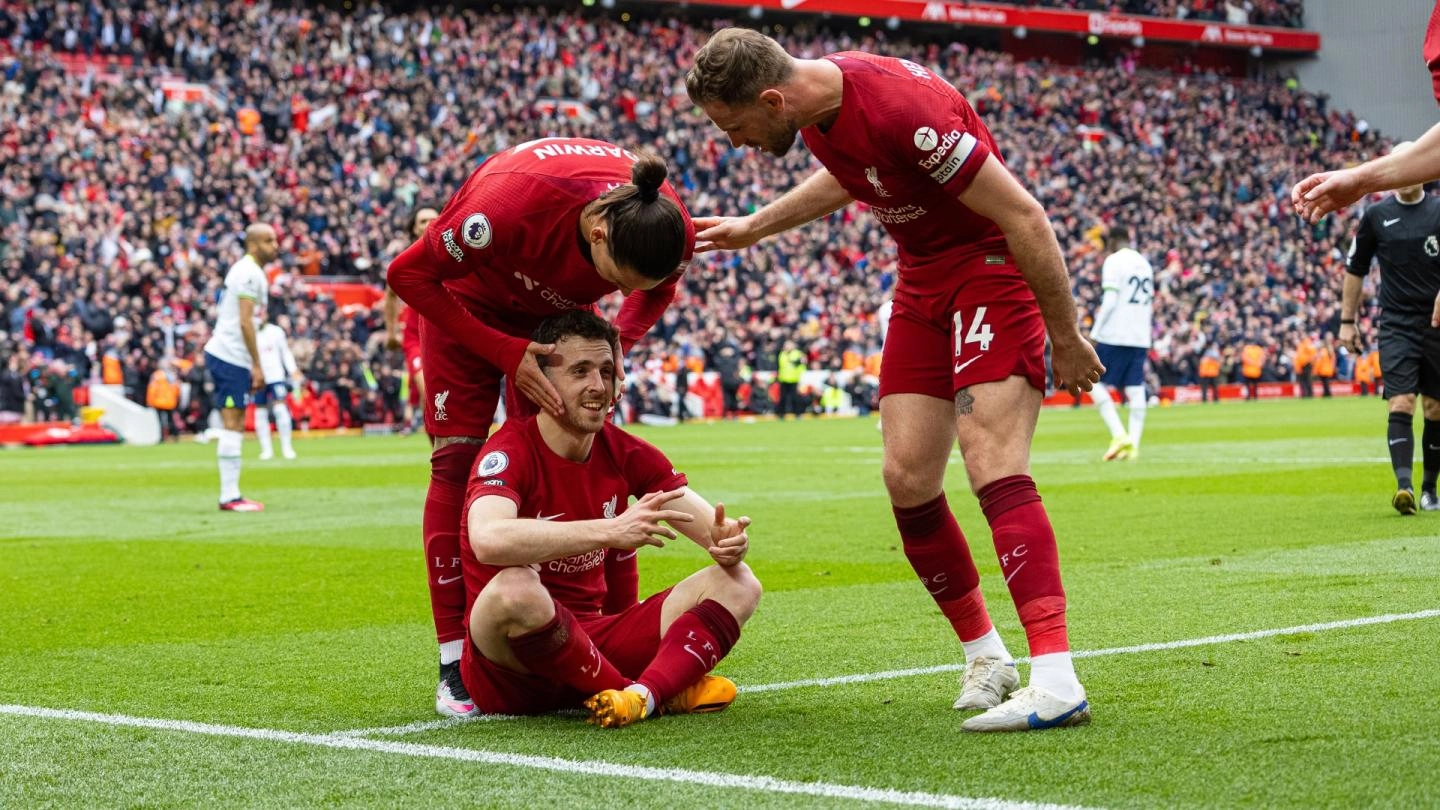
- On April 30, 2023, in the 34th round of the Premier League, Liverpool hosted Tottenham at Anfield. Diogo Jota scored a stoppage-time winner in the 94th minute to seal a dramatic 4-3 victory.
Quote
- Death is not the opposite of life, but a part of it.
So Far, So Near: The Tangible Moments of Death
http://example.com/2025/07/16/So-Far-So-Near-The-Tangible-Moments-of-Death/