The Heroization of the Early-Deceased: An Analysis of Social Psychology and Cultural Construction
In modern society, many individuals regarded as “great” are often endowed with extraordinary symbolic significance due to their premature death. The early death of a person tends to freeze their image in public memory, transforming them into immortal icons. This phenomenon involves not only individual historical contributions but also reveals deeper mechanisms of social psychology and the construction of cultural symbols. This article aims to explore how early-deceased figures are idealized under the influence of collective psychology and become cultural symbols, analyzing the psychological mechanisms and social functions behind this phenomenon.
I. The Relationship Between Early Death and Idealization
The premature death of a figure effectively freezes their life at a particular moment—usually a highlight of their achievements or a peak of moral or spiritual expression. Compared to their contemporaries, early-deceased individuals do not face the ongoing complexities of life and reality; thus, they are not exposed to the risk of revealing flaws or internal conflicts. Death “freezes” their image, and this freezing effect leads them to be remembered as idealized beings rather than multidimensional individuals. In the collective memory of society, early-deceased figures easily become symbols of “perfection,” devoid of critical reflection on their complexity.
This phenomenon is widespread in both historical and contemporary contexts. From literature to real life, early-deceased individuals are frequently imbued with noble and pure qualities, becoming moral exemplars. Many heroic characters in literature die at the pinnacle of their lives, and the timing of their death further magnifies their image, making them unforgettable. In real life, the public often heroizes the early-deceased, interpreting their unfinished careers or unrealized futures as eternal “regrets” that paradoxically enhance their spiritual significance.
II. Society’s Need for Heroes
At certain historical moments or within specific social contexts, the public’s need for heroes becomes particularly intense. The process of heroization is a response to this need. Society shapes heroic figures to seek a sense of identity, emotional anchoring, or moral guidance. Early-deceased individuals often serve as ideal carriers of such hero images, especially when their deaths are closely tied to social conflicts or political events, which endow their passing with a symbolic meaning.
The need for heroes goes beyond recognizing individual virtues; it reflects a yearning for societal ideals. When societies face challenges or crises, people tend to look to individuals as sources of inspiration or moral strength. The actions, choices, and words of early-deceased figures often resonate deeply with core societal values. Thus, when these individuals die, society readily elevates them as symbols of greatness. Heroization, then, becomes both a tribute to individual behavior and an affirmation of collective ideals.
III. Unfinished Greatness and Symbolic Construction
The magnification of greatness in early-deceased individuals is partly due to the “unfinished” nature of their lives. This sense of incompleteness gives rise to a perception of “infinite potential.” Because their lives are cut short, their futures become an imaginative space for the public, allowing their image to remain pure and idealized. Without the exposure to flaws or the messiness of growth, society freezes these individuals in their most “perfect” state. This idealization endows them with symbolic significance.
This phenomenon reflects not only on individuals but also on the mechanisms of cultural symbol-making. Unfinished greatness often becomes a projection of social ideals, symbolizing potential and infinite possibilities. In these figures, society sees unfulfilled dreams and aspirations. Their premature death enriches their image and makes it more powerful. As a result, early-deceased figures are often imbued with profound cultural meaning, becoming symbols of a particular historical stage.
IV. Emotional Reasoning and the Shaping of Collective Memory
Emotional reasoning refers to the tendency to rely more on emotional responses than rational analysis in certain situations. The heroization of early-deceased individuals is a manifestation of this phenomenon. Faced with these figures, the public often struggles to confront the complexities behind their deaths, and instead leans toward idealization. Emotional responses frequently exaggerate a person’s virtues while overlooking their flaws or contradictions.
The shaping of collective memory also plays a crucial role in this process. Through selective memory and narrative transmission, society gradually crafts the image of early-deceased figures into cultural symbols. These individuals are endowed with specific symbolic meanings that go beyond their actual historical contributions, evolving into broader markers of cultural identity. This construction of collective memory transforms early-deceased figures into icons of history, rather than merely individual persons.
V. The Far-Reaching Impact of Heroization
While the heroization of early-deceased individuals offers emotional comfort and a sense of identity for society, it also reveals underlying mechanisms worth examining. The process of idealization often oversimplifies individuals, ignoring their complexity and multidimensional nature. In turning these individuals into one-dimensional symbols, society may also overlook the broader social structures and contexts that shaped their lives.
Another consequence of this phenomenon is that it may obscure deeper societal issues. When an early-deceased figure becomes a heroic symbol, society tends to frame their tragedy as an individual event rather than examining it within a broader sociopolitical context. While emotional responses can offer short-term solace, they may fail to address the root causes of needed social change.
Conclusion
The heroization of early-deceased figures is both a natural result of psychological processes and a product of cultural symbol construction. Through their idealization, society finds emotional anchorage and affirms shared values. However, this phenomenon also serves as a reminder that behind every heroized figure lies a risk of oversimplification and avoidance of reality. Maintaining rationality and critical reflection while honoring and remembering historical figures may be the key to a more meaningful engagement with the past.
Picture
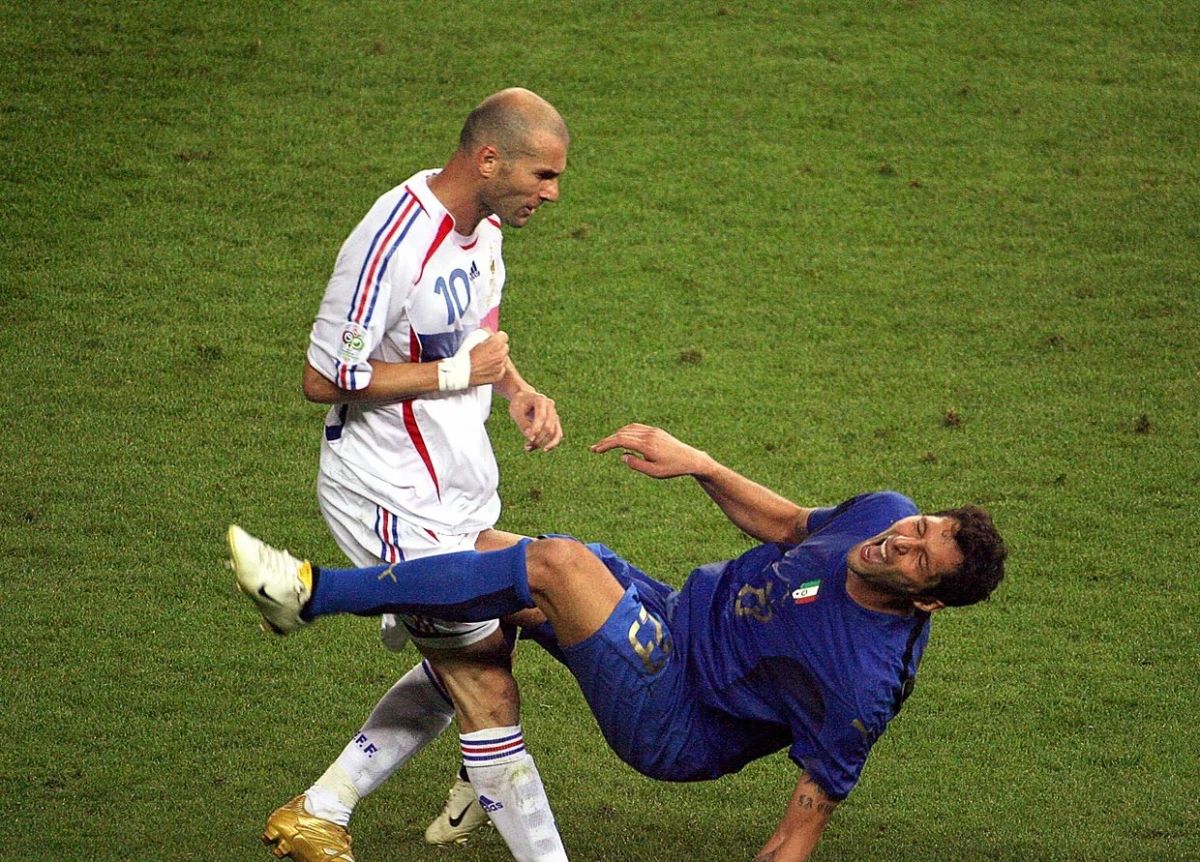
- On July 9, 2006, at the Olympiastadion in Berlin, during extra time of the FIFA World Cup Final, French captain Zinedine Zidane headbutted Italian player Marco Materazzi in the chest and was shown a straight red card.
Quote
- To die young is to be forever remembered as young.
The Heroization of the Early-Deceased: An Analysis of Social Psychology and Cultural Construction