Between Reason and Emotion: Rethinking the Relationship Between the Creator and the Creation
In today’s information-saturated world, where public figures often face backlash or “cancellation,” a recurring question emerges: When a person is no longer deemed acceptable, should we still acknowledge or use the work they helped create?
This dilemma is not merely about right or wrong—it reflects the tension between rational judgment and emotional response, and challenges our understanding of individual versus collective effort, contribution versus value.
A Creation Is Not Its Creator
First and foremost, we must distinguish between a work and its creator. Take a major platform or product, for instance—it may have been initiated or led by a well-known figure, but its development is the result of collaboration among thousands of people, from design and development to marketing and customer support.
Although a public figure may receive more visibility or benefit from such work, it is unfair and overly simplistic to equate the entire creation with that individual. Dismissing the value of a system or product purely because of personal dislike for one person may reveal a limited grasp of the complexity behind such endeavors.
The Validity of Ideas Doesn’t Depend on the Individual
Similarly, the value of ideas, theories, or methods should not be judged solely based on the moral standing of the people who popularized them. Many theories attributed to specific individuals are not their sole invention but rather the result of observation, synthesis, and articulation of broader patterns or truths.
These insights often stem from collective progress rather than personal brilliance. In other words, if one person hadn’t articulated them, someone else likely would have. Evaluating an idea’s merit should focus on its content and relevance—not who said it.
Rational Choices, Emotional Freedom
From a rational standpoint, if a product or piece of content brings value—perhaps a program that inspires or a tool that improves efficiency—it makes sense to continue using it. After all, acquiring knowledge and skills is ultimately for personal growth, and we shouldn’t let emotions overshadow that.
But emotionally, we also have the right to disengage. Maybe we dislike a person’s tone, or we no longer want to support the image they represent. That’s valid too. Emotion isn’t the opposite of reason—it’s often a natural extension of our values and a form of internal logic in itself.
Striking a Balance Between Reason and Emotion
We don’t need to reduce every judgment to a black-or-white stance. Disliking someone doesn’t mean we must reject everything they’ve done. Likewise, appreciating a piece of work doesn’t mean we endorse or idolize its creator.
We can remain critical of an individual while still recognizing the value in their contributions. We can also enjoy and learn from a creation without placing the creator on a pedestal. This isn’t hypocrisy—it’s a more nuanced, mature, and compassionate way of thinking.
Conclusion
There’s no simple equation between people and their work. Disapproval of a person doesn’t require wholesale dismissal of their contributions; valuing their work doesn’t imply blind admiration of who they are.
Finding a balance between reason and emotion might just be the most natural and steady way for us to navigate a world full of complexities and contradictions.
Picture
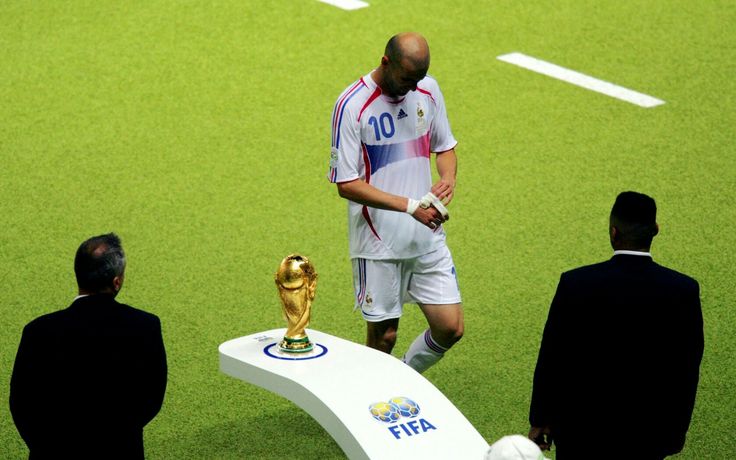
- July 9, 2006, Berlin Olympic Stadium. In the final match of his career, Zidane was sent off with a red card and walked past the World Cup trophy he had dreamed of so many times.
Quote
- It is difficult to free fools from the chains they revere.
Between Reason and Emotion: Rethinking the Relationship Between the Creator and the Creation