为什么有些人喜欢参观古人的墓地?

这是个很有意思的问题:为什么有些人不但不怕墓地,反而喜欢去看古人的墓、逛陵园、研究墓志铭,甚至热衷于“探墓旅行”?

这其实是一个牵涉历史心理、文化兴趣、死亡观念与个人性格倾向的综合现象。下面我们来系统地分析其中的几个主要原因:


一、对历史的敬畏与追寻

对许多人来说,古墓不仅是埋藏尸骨的地方,更是历史的具象存在。

  • 墓地是时间的化石:帝王将相、文人志士的陵墓,往往承载着一个时代的政治、审美、信仰和文明印记。
  • “墓”即“史”:在没有录像、互联网的时代,墓志铭、陪葬物、墓室结构往往是研究历史的重要一手资料。
  • 对历史感兴趣的人,会把古墓看作“进入古人世界的入口”,带着一种考古学式的敬意。

→ 这类人不是在看“墓”,而是在看“历史的证据”。


二、对死亡与人生意义的哲学兴趣

还有些人,会因为对“死亡”这一终极命题的探问,而主动走进墓地。

  • 站在墓碑前,他们思考:一个人最终留下的是什么?名声?事功?寂静?
  • 许多哲学家(如海德格尔)强调:“直面死亡,是人生觉醒的第一步。
  • 有些文艺青年或思辨型人格,会在墓地中获得一种“存在主义的沉思空间”,他们觉得墓地能让人更清楚地看清人生的虚妄与珍贵。

→ 这类人不是在看“死亡”,而是在看“生命的意义”。


三、对神秘与未知的好奇心

古墓往往带有神秘色彩。尤其那些帝王陵墓、未解之谜、奇怪的墓室构造、消失的文明……这些都对人类的好奇心有巨大吸引力。

  • 探墓是一种冒险,也是一种“越界”的体验。
  • 即使不相信鬼神,也可能被“地下世界”的神秘氛围吸引。
  • 这也解释了为什么“盗墓小说”“考古探险片”常年受欢迎:刺激 + 神秘 + 历史 + 生死边界感的混合体验,满足了人类对“不可知世界”的探索冲动。

→ 这类人不是在看“尸骨”,而是在看“未知世界”。


四、个性因素:冷静、自省、对孤独不敏感

从心理角度来说,喜欢参观墓地、陵寝的人,往往具有以下人格特质:

  • 低恐惧反应:他们的大脑对“死亡”、“阴森”这些刺激不容易产生紧张。
  • 自省型人格:容易被激发思考、沉思,更倾向内向。
  • 孤独耐受度高:一个人面对墓地也不觉得孤独,反而觉得宁静。

这类人对“墓地”不容易产生普通人那种回避反应,而是把它当作一种“非日常但可接近”的空间。


五、情感连接:对逝者的缅怀或敬意

特别是在参观有名人物的陵墓时,比如参拜岳飞墓、孔林、李白墓、林则徐墓等,很多人感到的并不是“恐怖”,而是一种精神敬仰与文化传承的仪式感。

  • “站在他长眠的地方,我能感觉他当年的壮志、遗憾。”
  • “我来看他,不是来看墓,是来看精神。”

这种情感上的联结,让“墓”超越了它的功能意义,而变成了文化记忆的承载体


总结:看墓不等于迷恋死亡,而是通向不同世界的入口

喜欢看古人墓地,不是因为“阴森好玩”,而是因为:

动机类型 具体内容
历史兴趣 墓地是活的历史、文化与艺术
哲学探究 墓地是思考生命终点与意义的场所
好奇冒险 墓地是进入“未知与神秘”的边界地带
性格特征 冷静、自省、接受孤独的人易感亲近
情感敬仰 对先贤、伟人或逝者的缅怀与敬意

这些动机,往往是交织存在的。所以墓地之旅,对有些人来说不是恐怖体验,而是一种特殊的精神旅行


好的,下面是独立成文的完整版文章,标题为《为什么有些人喜欢参观古人墓地》,适合用于科普、随笔、公众号或知乎长文发布。内容深入浅出,涵盖历史、心理、文化多个维度。


为什么有些人喜欢参观古人墓地?

在大众眼中,墓地常被视为阴森恐怖之地,是应尽量远离的“禁区”。但现实中,却有不少人对古人墓地充满兴趣,甚至主动前往参观。不仅如此,许多陵园景点如秦始皇陵、明十三陵、孔林、岳王墓等,每年都吸引成千上万的游客。

为什么会有人不但不怕这些“埋葬死亡”的地方,反而乐在其中?这并不是一种“反常的癖好”,而是一种人类对历史、死亡、神秘和自我认知的深层探求。我们可以从以下几个角度来理解这一现象:


一、墓地是时间的遗迹,是历史的入口

在很多人眼中,墓地不仅仅是尸骨安息之所,更是一个时代的缩影。

  • 每一座墓,不只是一个人的终点,也是他所处社会、文化、权力结构、信仰系统的物化体现。
  • 秦始皇陵反映了秦帝国的极权与宏伟;明代帝陵展示了儒家礼制对死亡仪式的编码;普通文人墓志铭则蕴含着那个时代对生死的理解。

对热爱历史的人来说,参观墓地就像翻阅一部立体的史书,是一种跨越时间的接触。墓碑、志铭、墓室布局,每一处细节都在诉说“过去”。


二、直面死亡,是理解生命的一种方式

在现代社会,死亡往往被刻意排斥出日常生活,被“隐藏在医院和殡仪馆”之后。但有些人,尤其是思考型人格,更倾向主动面对“人生终点”,以获得对生命本质的更深理解。

  • 站在墓碑前,人们会自问:我这一生的终点,会留下什么?
  • 面对那些已经沉寂百年、千年的名字与事迹,反而能激起一种反思:如果死亡不可避免,那我该如何活得不白走一遭?

这是一种哲学层面的探索。古人说“朝闻道,夕死可矣”,有人从书中求道,有人则在墓中参悟。


三、“墓地”象征着未知与神秘,满足人类的探索欲

墓地不仅象征死亡,也象征着人类尚未完全揭示的世界:地下、黑暗、封闭、遥远……这些因素叠加在一起,构成了天然的“神秘场域”。

  • 未解的陵墓谜题、消失的墓志铭、奇异的墓室设计,这些都是吸引人眼球的“现实版悬疑”。
  • 盗墓题材小说、探险纪录片的火爆,其实反映了人类**“想知道墓里有什么”的好奇心。**

这种心理和人们热衷宇宙、深海、外星生命其实是同一逻辑——面对不可知,我们总想揭开一点面纱,哪怕只是静静站在那里想象。


四、墓地是一种静谧、超脱的空间,适合沉思者和孤独者

墓地虽然和“死亡”相关,但它往往也具备一种反常的安宁与秩序。

  • 没有喧嚣、没有商业氛围、没有社交负担。
  • 陵园往往绿树成荫、地势开阔,是自然与纪念共存之地。

这种空间对一些人来说,反而具有吸引力。他们在那里感受到“内心的秩序”,也能摆脱现代社会的碎片化信息压力,获得片刻宁静。

这类人通常具有:

  • 高度自省的性格;
  • 情绪稳定;
  • 对孤独有一定耐受;
  • 对“超越日常”的思维有所兴趣。

墓地于他们而言,并不阴森,而是一种沉静而纯粹的“存在之地”。


五、一种缅怀与敬意:不是看“墓”,而是看“人”

还有很多人前往古人墓地,是出于纪念或尊敬。例如:

  • 参观孔子墓,是对儒家文化的认同;
  • 去岳王墓凭吊,是对民族气节的敬仰;
  • 去李白墓,是对诗意人生的追怀。

这种行为不是“喜欢墓”,而是借墓地完成一次“精神对话”。在这些地方,人们不是单纯“游览”,而是以一种肃穆、沉静的心态向过去的伟人致意。

这类墓地变成了一种文化符号,而非“死之所在”。


总结:喜欢古墓,是对死亡的敬畏,也是对文明的尊重

在不同人眼中,墓地可能是阴森恐怖的象征,但对另一些人来说,它是:

  • 历史的遗迹;
  • 哲学的镜子;
  • 神秘的边界;
  • 情绪的庇护所;
  • 精神的朝圣地。

因此,喜欢参观古人墓地,并不奇怪。这种兴趣其实体现出一种成熟的人格结构:愿意直面时间、直面死亡、直面文化沉淀,而不是逃避。

就像有人喜欢研究星空,也有人喜欢凝视废墟——我们终究都在通过各种方式,去理解自己、理解过去、理解命运。


图片

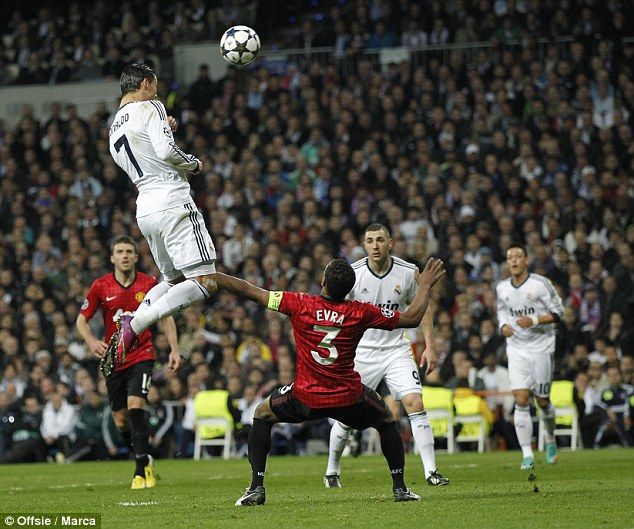
Cristiano Ronaldo leapt high to score a header, 2013

  • 2013年2月13日,欧冠16强首回合,皇家马德里主场对阵曼联,C罗高高跃起头球攻破老东家球门。

名言

  • To philosophize is to learn how to die.
  • 哲学的本质,就是学习如何面对死亡。

Between Life and Death: Reflections on Suicide, Euthanasia, and Human Dignity

“*If you’re not afraid of suicide, why be afraid of living?*”
At first glance, this sounds like a bold, world-weary declaration of courage. Yet, upon deeper reflection, the statement reveals a glaring logical flaw. It misunderstands pain, mocks psychological struggle, and mislabels despair as bravery. In certain corners of online culture, such words are even misused or joked about, creating a dangerous atmosphere where death is framed as a rational choice, while survival is seen as weakness or evasion.

But true courage has never been about “not fearing death.” Real courage lies in choosing to live on, even in the midst of fear and suffering.


1. Suicide is Not “Fearless of Death,” But “Afraid of Living”

The problem with the phrase “If you’re not afraid of suicide, why be afraid of living?” lies in its confusion of suffering with courage. It assumes that death is the ultimate act, and therefore “daring to die” proves a stronger ability to “dare to live.” The reality is the opposite—suicide is rarely an act of fearlessness, but almost always a response to overwhelming pain and despair. It is surrender, not challenge; collapse, not liberation.

From a psychological perspective, suicide often occurs in situations such as:

  • Depression and mental illness: patients trapped in hopelessness view death as their only “relief”;
  • Chronic trauma and isolation: life without support feels like a bottomless void;
  • Sudden traumatic events: the death of loved ones, financial collapse, or heartbreak becomes the last straw;
  • Impulsive breakdowns: some suicides are not long planned, but rather irreversible acts in moments of emotional overload.

None of these reflect genuine “courage in the face of death.” On the contrary, they reveal a painful truth: it is not death that is most terrifying, but life itself. To say “If you’re not afraid of suicide, why be afraid of living?” is as absurd as telling a drowning person: “Since you dared to jump into the water, why can’t you swim?”


2. Emotional Exploitation and a Cultural Crisis

The popularity of such sayings exposes society’s ignorance and indifference toward mental health. On the surface, the phrase looks like encouragement; in reality, it exploits others’ pain to comfort ordinary lives. Those who speak this way often live within emotional safety, far removed from the shadow of death. Unable to grasp what it means to feel exhausted by simply opening one’s eyes, they still urge others to “be strong” with a hollow slogan.

The greater danger lies in how such discourse may distort the minds of vulnerable youth in crisis. Some may begin to wonder: “Should I prove my courage to live by dying?” Such warped reasoning only deepens despair and discourages help-seeking.


3. Euthanasia and the Boundary of Rational Death

Unlike suicide, which is often impulsive or emotionally driven, euthanasia is usually a deliberate and considered decision, carried out within medical and legal frameworks. At its core lies the principle of dying with dignity.

“Dying with dignity” does not mean desiring death for its own sake, but rather preserving the right to end unbearable suffering when life can no longer continue. For example, patients with terminal cancer, ALS, or multiple organ failure may lose all basic bodily functions, living only through machines. In such conditions, “living” may no longer carry human meaning, but only mechanical existence.

If medicine and law confirm the patient’s wish, choosing to die with dignity is not escapism, but the deepest respect for personal will.


4. The Strength of Choosing Life Amid Suffering

Philosopher Viktor Frankl, in Man’s Search for Meaning, wrote that human greatness lies not in conquering the world, but in finding meaning even in extreme suffering.

The truly admirable are not those who “fear nothing, not even death,” but those who, despite depression, loneliness, or devastating setbacks, still find a way to keep living. Their persistence—negotiating with pain, seeking fragments of meaning—deserves far more respect than the false courage of “daring to die.”


5. Why Society Must Value “Living with Dignity” More Than “Dying with Dignity”

“Dying with dignity” is a rational response to death, but more urgent is the question of how to ensure people “live with dignity.” A civilized society should not only care about how people die, but more importantly, how people live.

To “live with dignity” means:

  • Depressed individuals can access treatment without stigma;
  • The lonely have safe spaces to speak and be heard;
  • Those in financial or family crises receive respect and support.

Only when living itself is not suffused with oppression will death no longer appear to be the only way out.


Conclusion: The Philosophy of Life and Death as Social Responsibility

The phrase “If you’re not afraid of suicide, why be afraid of living?” thrives on misunderstanding suffering, misrepresenting courage, and trivializing death. But death is never a statement. Suicide should never serve as proof. And euthanasia, when chosen, should be an act of reason, not escape.

Life is a journey where every step deserves respect. The essence of philosophy is not to belittle death, but to find reasons to live even in the darkest hours.

Understanding those who commit suicide does not mean agreeing with their choice. Their actions may be the result of inadequate support or an inability to rescue themselves. Their suffering is real, and their decisions are, to some extent, understandable. But instead of letting death act as “nature’s filter,” society bears the responsibility to create a world where their pain can be heard, and their hope sustained.


Picture

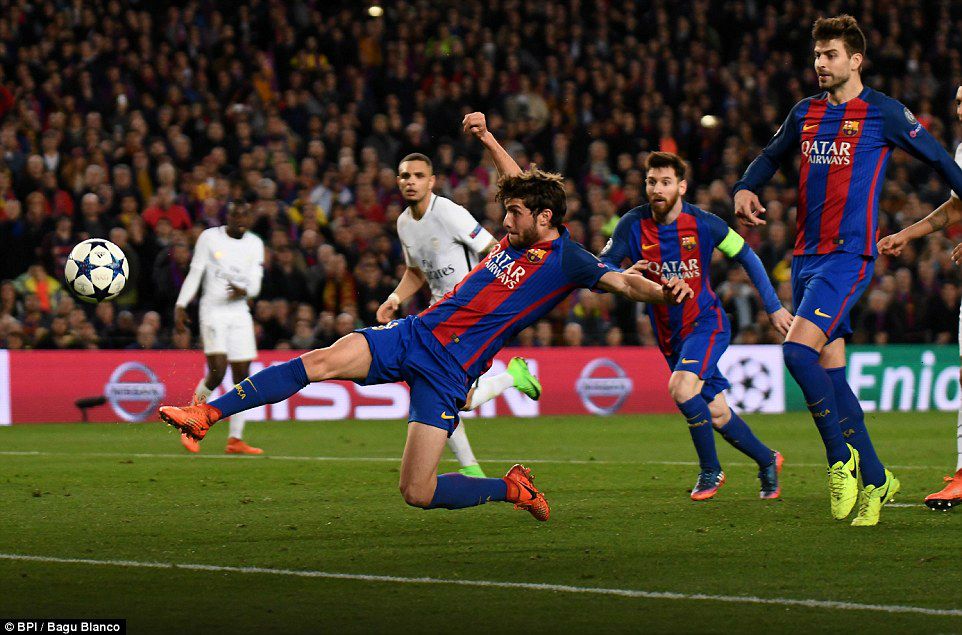
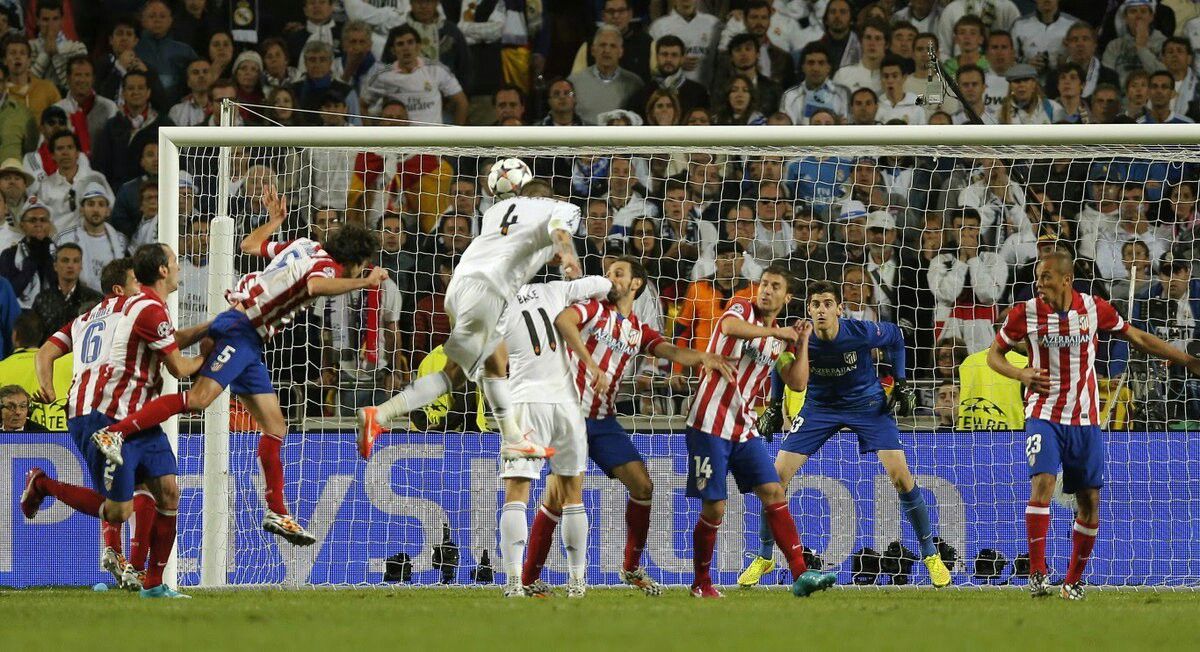
Sergio Ramos scored a header, 2014

  • On May 24, 2014, at the Estádio da Luz in Lisbon, Real Madrid’s No. 4 Sergio Ramos scored a header in the 93rd minute to level the Champions League final, changing the course of the match. Real Madrid went on to defeat Atlético Madrid in extra time and claimed their 10th European Cup, La Décima.

Quote

  • He who has a why to live can bear almost any how.

生死之间:自杀、安乐死与尊严的深思

“自杀都不怕,为什么还怕活着?”这句话乍听之下像是一种豁达、看破的勇气宣言,但仔细推敲,却存在明显的逻辑漏洞,并暗藏着对痛苦的误解与对心理状态的嘲讽。它将绝望误解为无畏,把放弃当作力量,甚至在网络文化中被误用和调侃,制造出一种危险的社会语境——死亡被包装为理性选择,而活着却被贬低为软弱与逃避。

然而,真正的勇气,从来不是“不怕死”,而是在恐惧和痛苦中依然选择活下去。


一、自杀不是“不怕死”,而是“怕活着”

“自杀都不怕,为什么还怕活着?”这句话的问题在于,它混淆了痛苦与勇气,颠倒了因果关系。它假定“死”是最极端的行为,因此“敢死”就代表更强的“敢活”。但事实恰恰相反——自杀并不是源于无畏,而是源于深重的痛苦与绝望。它是一种放弃,而不是挑战;是一种崩溃,而不是解脱。

从心理学角度看,自杀常发生于以下几种情境:

  • 抑郁与心理疾病:抑郁症患者深陷无助与虚无,死亡似乎成为唯一的“解脱”;
  • 长期创伤与孤独:无依无靠的生活,像无尽的黑洞将人吞没;
  • 突发事件的冲击:亲人去世、经济崩溃、感情破裂,常成为压倒最后一根稻草;
  • 冲动与崩溃:有些人并非早有预谋,而是在情绪失控的瞬间做出无法挽回的决定。

这些情境里,没有哪一例是“勇敢面对死亡”的体现。相反,它们都揭示了一个事实:死亡并不可怕,活着才是最大的不堪。正如对一个溺水者说:“你都敢跳水了,怎么还不会游泳?”——逻辑荒谬,却常被奉为“金句”。


二、情绪剥削与文化危机

这类言辞的流行,折射出社会对心理健康的无知与冷漠。表面看,它像是一种积极鼓舞;实则是一种情绪剥削:以他人极端痛苦为素材,来安慰自己的平庸生活。说出这些话的人,往往身处情绪舒适区,从未真正靠近过死亡。他们无法理解那种“连睁眼都觉得累”的痛苦,却用一句“你连死都不怕”去要求他人勇敢。

更危险的是,这种语境可能影响正处于心理危机的年轻人,让他们误以为:“是不是该用死亡来证明我不怕活?” 这种扭曲的认知无疑会让困境加剧,并阻碍他们寻求帮助。


三、安乐死与“尊严死”:理性死亡的边界

与自杀往往出于情绪冲动不同,安乐死是一种深思熟虑的决定,是医学与法律框架下的选择。它捍卫的是“尊严死”(Dying with Dignity)的理念。

所谓“尊严死”,并不是渴望死亡,而是当生命已经无法延续、病痛无可逆转时,赋予个人选择结束痛苦的权利。例如,晚期癌症、渐冻症或多重器官衰竭的患者,早已失去基本生活能力,完全依赖机器维持所谓的“生命”。在这种情境下,所谓的“活着”已不再具有人之为人的意义,而只是一种机械存在。

此时,如果法律和医学尊重病人的意愿,允许他们选择尊严的离开,这并非逃避,而是一种最大程度的尊重。


四、面对苦难依然选择活下去:真正的强大

哲学家维克多·弗兰克尔在《活出意义来》中说过:人类的伟大,不在于征服世界,而在于能在极端痛苦中找到生命的意义。

真正值得敬佩的,不是“连死都不怕”的人,而是那些在抑郁、孤独、困境中,依然选择活下去的人。他们或许在和命运拉扯,在黑暗中寻找微光,但他们没有放弃。这种力量,比所谓的“敢死”更值得尊敬。


五、为何社会更应重视“活着的尊严”

“尊严死”是社会对死亡的理性回应,但更重要的是如何让人“有尊严地活下去”。一个文明社会,不应只讨论如何“体面地死”,更要关注如何让人活得有价值、有尊严。

所谓“活着的尊严”,意味着:

  • 抑郁症患者能不被羞辱地获得治疗;
  • 孤独的人能找到可以倾诉的空间;
  • 经济困境、家庭破裂中的人们,能获得必要的支持与尊重。

当“活着”本身不再充满压迫,死亡才不会被视为唯一的出口。


结语:生死的哲思与社会责任

“自杀都不怕,为什么还怕活着?”这样的言语流行,源于对痛苦的误解、对勇气的曲解,以及对死亡的轻视。死亡从来不是一种表态;自杀不该成为证明;安乐死也不是逃避,而是理性的选择。

生命是一段旅程,每一步都值得尊重。真正的哲思,不在于如何轻视死亡,而在于如何让人在黑暗中依然找到活下去的理由。

理解自杀的人,也许并不一定认同它。因为可能现有的手段不足以拯救,或者个体已无法自救。但我们必须承认:他们的痛苦是真实的,他们的行为可以被理解。只是,与其让死亡成为基因的“淘汰”,更应让社会提供一个能承载他们痛苦与希望的空间。


图片

Sergio Ramos scored a header, 2014

  • 2014年5月24日,里斯本光明球场欧冠决赛,皇马4号拉莫斯在第93分钟头球扳平比分,改变战局,最终皇马加时逆转马竞夺得第十座欧冠冠军。

名言

  • He who has a why to live can bear almost any how.
  • 有了生存的理由,人几乎可以忍受任何生活的方式。

Faith, Logic, and the Human Condition

Religion has always been humanity’s attempt to reconcile the unknown with the unbearable. Yet in its long history, what we often see is not wisdom, but a patchwork of dogmas—rigid rules stitched together under the banner of “truth.” When one looks closer, many of these doctrines resemble little more than arbitrary “arrangements of belief,” a grand combinatorial game in which each culture and era selects its own preferred permutation.

Take, for instance, the Catholic demand that priests remain celibate. On the surface, it claims to be a noble sacrifice, a spiritual devotion beyond earthly desire. But in essence, it is a denial of human nature. Sexuality, family, intimacy—these are not trivial distractions; they are part of what makes us fully human. Forcing clergy to live as if they were statues of marble, untouched by desire, produces not saints but distortions. History is littered with the consequences: hypocrisy, secret scandals, and the collapse of credibility. It is less “holiness” than a bureaucratic fantasy, as if human beings could be administratively managed into angels.

And yet, the contradiction runs deeper. If everyone were to obey such rules—if all faithful men and women renounced marriage and childbearing—then religion itself would vanish in a single generation. A community that prohibits reproduction is a community destined for extinction. In other words, the very survival of the faith depends on most believers not following its strictest ideals. The structure endures only because the masses live in ordinary, “sinful” humanity—marrying, raising children, and thus producing the next generation of worshippers. The faith lives parasitically on the disobedience of its followers.

Of course, Catholicism is hardly unique. Many religions thrive on this same paradox: preaching values impossible to live by, then glorifying the guilt and repentance that follow. By this logic, the religion does not cure the disease—it manufactures it, and then sells itself as the only medicine.

This does not mean that religion is entirely useless. Its stories, symbols, and rituals can provide meaning, comfort, and community. But we must strip away the illusion that any single doctrine holds “universal truth.” In reality, what we call “faith” is simply one configuration of human values among many. For some, it offers order; for others, suffocation.

A wiser approach is to recognize religion as a cultural toolkit: a set of symbols through which people negotiate mortality, morality, and belonging. But the danger lies in mistaking the tool for the truth, the symbol for reality. Once that happens, reason is abandoned, and the very thing meant to serve humanity begins to demand that humanity serve it.

In the end, no divine law can override human nature. What survives across cultures and centuries are not the dogmas that defy logic, but the values that harmonize with our shared humanity: compassion, justice, dignity, and love. Religions that embrace these endure; those that wage war against human essence collapse under their own contradictions.

Perhaps, then, the task for the modern age is not to abandon faith, but to see it clearly: not as a sacred command from above, but as an earthly experiment in meaning-making. And like all experiments, it is judged not by its promises, but by its results.


Picture

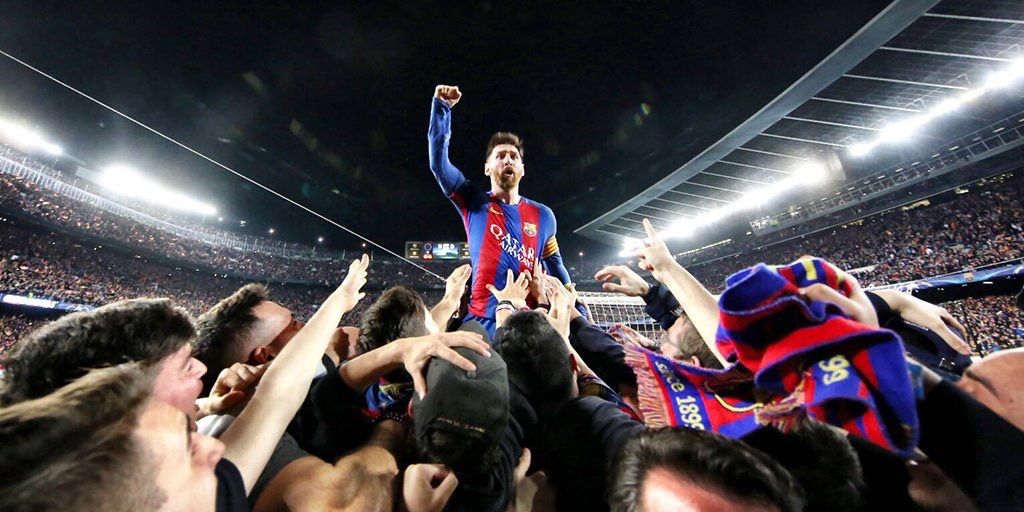
Messi stood on the advertising board with his fist raised in celebration, 2017

  • On March 8, 2017, Barcelona overturned a 4–0 first-leg deficit by beating Paris Saint-Germain 6–1 at home in the Champions League Round of 16, and after the match Messi stood on the advertising board with his fist raised in celebration, creating an iconic Champions League moment.

Quote

  • The price of freedom is eternal vigilance.

宗教:思想套餐还是唯一真理?

在历史长河中,宗教无疑是人类文明的重要组成部分。它安慰了无数人的心灵,也操纵过无数人的思想。然而,当我们冷静审视,会发现宗教并不是“天启的唯一答案”,而更像是人类把价值观、世界观和人生观打包的“思想套餐”


一、和尚与神父:反人性的“神圣样板”

我们先看看两个典型群体:佛教的和尚和天主教的神父。

  • 和尚:必须断欲、绝嗣、离群索居,把“人类最基本的生存与繁衍冲动”压制到底。
  • 神父:必须独身,放弃婚姻与家庭,以示对上帝的全然奉献。

这两类人群,严格说都是**“制度化的人性弃儿”**。他们之所以被视为神圣,不是因为比普通人更幸福,而是因为他们更“反人性”。社会和信徒正是利用这种“极端反差”来制造神圣感:
👉 越不像人,就越像神。

然而,讽刺的是,如果整个社会都能幸福美满、人人安稳,那么这些神职群体就会显得多余。换句话说,宗教赖以存在的前提,正是人类永恒的不幸


二、宗教的本质:价值观的排列组合

把神秘的外衣剥开,宗教不过是几种观念的排列组合

  • 佛教:苦 → 欲望之源 → 断欲解脱。
  • 基督教:罪 → 信仰 → 救赎。
  • 儒家:伦常 → 修身 → 齐家治国平天下。
  • 斯多亚:自然法则 → 自制 → 内心平静。

它们不过是不同文化下,人类应对痛苦、混乱与死亡的几套“打包方案”。就像套餐A、套餐B、套餐C,本质上都是“思想料理”。

因此,说“宗教是真理”,就好比说“某家快餐店才是唯一的饭”。荒唐的是,许多人宁可囫囵吞下套餐,也不愿意自己点菜。


三、为什么那么多人“尽信”

  1. 认知省力:现成答案比独立思考更省事。
  2. 情绪慰藉:宗教提供了应对死亡与孤独的安慰。
  3. 社会传递:从小耳濡目染,家庭和社区塑造信仰氛围。

所以,很多人信的不是宗教真理,而是心理安慰与文化惯性。他们不是在追寻智慧,而是在逃避焦虑。


四、真正的智慧:自己点菜

讽刺的是,人类文明已经提供了远比宗教丰富的思想宝库。你完全可以:

  • 从佛教学到自省;
  • 从儒家学到仁义;
  • 从基督教学到博爱;
  • 从斯多亚学到理性;
    却不必把自己锁死在某一套体系里。

宗教是思想套餐,而不是唯一真理。真正的智慧,是学会自己点菜。


结语

宗教的确在历史中发挥过巨大作用,但若盲目尽信,它就从“思想套餐”变成了“思想枷锁”。理性的态度不是全盘否定,而是清醒地看见:人类智慧从不属于某一宗教,它属于我们每一个会思考的人。


图片

Messi stood on the advertising board with his fist raised in celebration, 2017

  • 2017年3月8日,巴塞罗那在欧冠八分之一决赛次回合主场6比1逆转巴黎圣日耳曼,总比分翻盘晋级八强,赛后梅西站上广告牌高举拳头庆祝,成为欧冠经典画面。

名言

  • The price of freedom is eternal vigilance.
  • 自由的代价是永恒的警惕。

Death: The Inevitable Termination of Consciousness and Humanity’s Futile Resistance

Death is the unavoidable endpoint of life. From a biological standpoint, it is the irreversible cessation of systemic function. From the standpoint of consciousness, it is the eternal disappearance of self-awareness, perception, and being. On the scale of the cosmos, an individual’s death is neither special nor significant—merely a local collapse of informational order. Yet to humans, it is the ultimate and inescapable problem, as it marks the boundary of subjective experience.


1. The Nature of Death: The Break in Consciousness

We are used to defining death biologically, but that’s not the true source of human fear. One does not panic at the phrase “cardiac arrest.” What causes anxiety is the knowledge that such an event marks the end of the “self.”

Death cannot be felt, because feeling requires consciousness—and consciousness ends with death. Thus we arrive at a stark conclusion:

Death is not an experience, but the absence of all experience.
It is not a painful state; it is the total absence of any state. Therefore, “the feeling of death” is a blank space in language and cognition—an imagination of the living, not the lived reality of the dead.


2. Why Humans Fear Death: A Product of Evolution and Neural Architecture

From an evolutionary perspective, fear of death is a survival mechanism. Organisms that lacked this fear would not avoid danger, and would be quickly eliminated through natural selection. Fear of death, embedded deep within neural circuits, is an automatic reaction.

But in modern humans, this reaction has become disproportionate and inescapable. We know we will die, yet we cannot know when or how. We possess self-awareness, yet this awareness cannot protect us from its own termination.

This is the paradox of death anxiety: we know the end exists, yet cannot experience or resolve it.


3. Obsession and Meaning: Is Love, Family, or Career Merely a Strategy for Avoiding Death?

Many people claim they “live for” family, love, career, or faith. On the surface, these are noble motives. But viewed through the lens of evolutionary psychology and neuroscience, the picture grows more complicated:

  • Attachment and love activate survival-oriented dependency systems.
  • Career and faith stimulate reward circuits, offering positive feedback that “I am still alive.”
  • Obsession with meaning may not be about external values, but a disguised expression of the fear of death.

In short, what we call “love” or “faith” may not be free choices but neurological expressions of survival programming, wrapped in emotional and cultural language. We cling to certain values not necessarily because they are real, but because they allow us to forget death—or to feel that living is still “worth it.”
This doesn’t invalidate such emotions, but it reframes them as strategies, not metaphysical truths.


4. The Collapse of Meaning: Death Terminates All Narratives

If death is the end of consciousness, then it also marks the collapse of meaning. “The meaning of life” becomes void the moment the subject ceases to perceive or recall it.

Religious and metaphysical stories (heaven, reincarnation, soul) are attempts to buffer against this void. Their psychological function is to sustain the illusion of continued existence beyond awareness.

From a materialist perspective, this leads to a rational assertion:

Death not only ends life but dismantles the narrative scaffolding of meaning.


5. To Live Freely Despite Death: Divine Perspective or Neural Reconfiguration?

Some people, after fully confronting the reality of death, choose to live on their own terms—no longer driven by social norms, biological imperatives, or external validation.
Is this freedom from the genetic script—a kind of divine, godlike awareness?

Superficially, yes. Choosing not to have children, reject careerist goals, or defy emotional dependencies seems like liberation. But from a cooler perspective, these behaviors may still originate within reward systems of the brain.

Even the decision to “do what I like” is shaped by chemical feedback loops that define “liking.”

Free will, if it exists, has never been proven. Even if it does, it may still function within the limits of our neural architecture.

Thus, “freedom” and “programming” are not opposites but points on a continuum. Autonomy may merely be the brain translating instinct into complex language.


6. Strategies to Resist Death: Cultural Myths and Technological Delusions

Throughout history, humans have developed various strategies to resist death:

  1. Religious Narratives – promise an afterlife
  2. Cultural Memory – strive to leave a legacy
  3. Biological Reproduction – continue a version of the self
  4. Digital Uploads – fantasies of mind preservation
  5. Cryonics – hope in technological resurrection

Yet none of these truly solve the core issue:

Consciousness, once ceased, cannot be restored.

Even if memory is copied, behavior replicated, or image preserved, these are shadows—not the self.
Science and culture, at best, delay or distort death; they do not negate it.


7. Acceptance: The Only Rational Stance Toward Death

Stripped of illusions, humanity has one truly rational option in facing death: acceptance.

Acceptance is not celebration. It is not poetic romanticism. It is simply acknowledgment: death is unchangeable and needs no justification. It is not malicious, not meaningful, and not negotiable.

Hence, the real question becomes:

Given the certainty of death, which actions are still worth executing?
Not a moral query, but a problem of allocation—of time, energy, and cognitive resources.


Conclusion: To Exist Calmly in the Shadow of an Inevitable End

Death is neither enemy nor friend. It does not respond to our emotions, nor recognize our thoughts. It is the final state, and it is irrevocable.

The only lucid human response is to see it, accept it, and live accordingly—without illusions and without poetic escape.

Death is cold, but clear. Humanity is futile, but need not be blind.


Picture
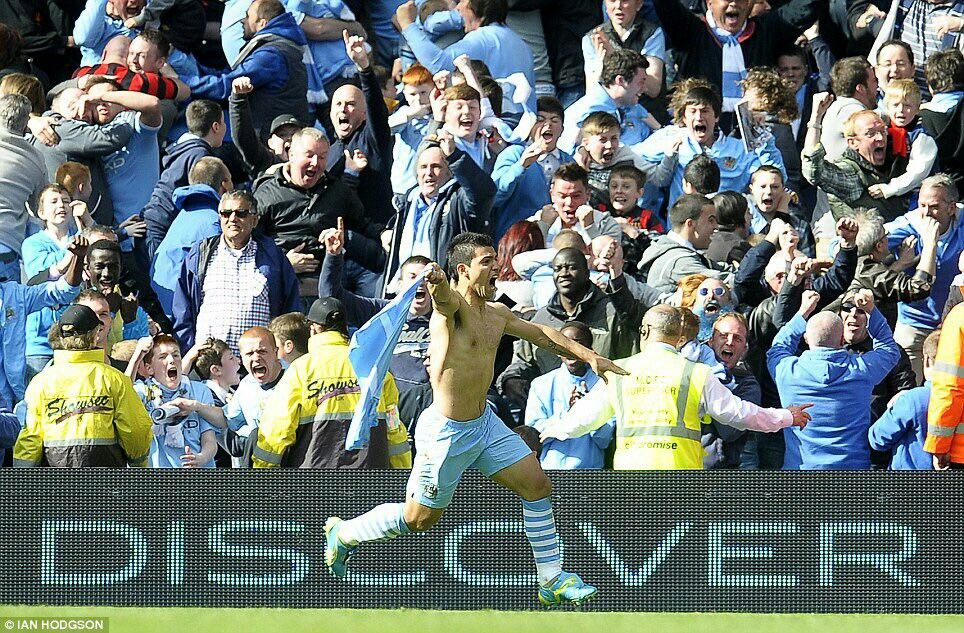
Sergio Agüero scored a dramatic winner against QPR, 2012

  • On May 13, 2012, Manchester City striker Sergio Agüero scored a dramatic winner against QPR in the 93rd minute and 20th second, securing a 3-2 comeback victory and delivering City’s first top-flight league title in 44 years. This iconic moment became one of the most legendary title-clinching goals in Premier League history, known as the “93:20 Miracle.”

Quote

  • The fear of death follows from the fear of life. A man who lives fully is prepared to die at any time.
死亡:意识终止的必然与人类徒劳的抵抗

死亡,是生命不可避免的终点。从物理意义上讲,死亡是生物体系统性不可逆的功能终止;从意识角度而言,它是自我体验、认知和存在感的永恒消失。在宏观宇宙的尺度内,个体的死亡既不特殊也不值得关注,它仅仅是信息流失的一次局部事件。然而,对人类而言,死亡却是无法回避的终极问题,因为它触及了自我意识的边界。


一、死亡的本质:意识的断裂

我们习惯从生物学角度定义死亡,但那并非人类恐惧死亡的根本所在。一个人不会因为“心跳停止”这个事实而感到恐慌,而是因为他知道那意味着自我感知的终结。

死亡无法被“感受”,因为感受本身需要意识。而意识,在死亡发生时终止。由此得出冷峻结论:死亡不是一种经历,而是一种“无经历”。它不是痛苦的状态,而是彻底的“状态缺席”。因此,所谓“死亡的感觉”是语言和经验的空白点,只能是生者对终结的想象,而非终结本身。


二、人类为何恐惧死亡:进化机制与神经结构的产物

在进化意义上,对死亡的恐惧是一种生存策略。个体若无恐惧,就不会躲避危险、规避伤害,自然在基因筛选中被淘汰。恐惧死亡的情绪被嵌入大脑深层结构中,成为一种自动反应。

问题在于:这种反应机制是非理性的,且在现代社会中变得无法缓解。我们知道自己会死,却无法预测具体时间与方式;我们具备自我意识,却无法通过它逃避其终结。这就是死亡焦虑的悖论:你清楚终点存在,但永远无法体验或解决它。


三、执念与意义:爱、事业、理想是否只是延命机制?

许多人声称“为亲人、爱情、事业或信仰而活”,表面上看,这是高尚动机。但若将人类行为置于进化心理学与神经科学视角下重新解读,问题变得复杂:

  • 亲情与爱情激活的是依附系统,其功能是维持社会组织与后代抚养;
  • 事业与信仰激活的是奖励系统,它们提供的是“我还在活着”的反馈;
  • 所谓“执念”,也许并非真正对外部对象的投射,而是恐惧死亡的间接表达

换言之,我们所说的“爱”与“信仰”,可能是神经系统与文化包装下的生存反应。我们执着于某些事物,仅仅因为它们让我们暂时忘记死亡,或让我们误以为“活着是值得的”。这并不否认这些情感的现实性,而是指出它们可能不是自由意志的产物,而是生存策略的变形表达


四、意义的断裂:死亡终结一切叙述

若死亡是意识终止的事件,那它也同时终结了意义的维系。所谓“人生的意义”,若无法在死后被感知、被记忆、被延续,那它就只是一个封闭系统中的短暂循环。

所有关于死后世界的叙事(如轮回、天堂、灵魂)不过是试图延续意义的策略,是人类在意识终点面前建构出来的缓冲层。它们的本质在于避免面对这样一个事实:死亡无法承载任何意义,它本身是意义结构的断点

由此推演出一个理性命题:

在唯物主义视角下,死亡不仅是生命的终止,更是意义系统的崩塌。


五、自主地活着:上帝视角,还是更高层次的控制?

有些人在彻底理解死亡本质后,选择以自定的方式活着,不再追求传统意义上的繁衍、成就或认同。这是否意味着他们挣脱了生物本能与文化建构,实现了所谓的“上帝视角”?

表面上,这是一种自我意识对基因程序的逆反:不为后代活,不为名望而活,而是为“我愿意”而活。但从更冷静的角度来看,这仍可能是另一种神经层级的运作方式。即使选择“做自己喜欢的事”,那种“喜欢”本身也可能是生物奖赏机制的产物。

自由意志是否存在,从未被证实。就算存在,也尚未摆脱神经系统与认知边界的限制。

因此,“挣脱本能”与“被本能控制”并非黑白对立,而是一个连续体。所谓“自主活法”,可能是意识将本能转译成更复杂表达形式的一种方式,仍然处于大脑结构的逻辑之内。


六、抵抗死亡的方式:技术与文化的集体幻象

历史上,人类发展出多种策略试图对抗死亡:

  1. 宗教叙事:构建死后存在(天堂、地狱、轮回);
  2. 文化记忆:通过文字、作品、制度留痕;
  3. 繁衍后代:让一部分“我”的结构继续存在;
  4. 数字意识:幻想将主体上传至可更新载体;
  5. 冷冻身体:等待未来技术“复活”。

然而,这些路径无一真正解决死亡的本质问题:意识终止不可逆,体验不可恢复。哪怕记忆复制、行为模拟、图像保存,那些不过是“我”的影子,而不是“我”本身。

科技和文化的所谓“超越死亡”,只是将死亡从肉体层面迁移到了逻辑层面,其本质依然是延迟、否认或转译,而非解决。


七、接受死亡:理性视角的最后选项

在剥离所有幻象后,人类面对死亡只有一个真正的理性选择:接受

接受死亡不是赞美它,也不是浪漫化它;而是承认它不可改变,也无需改变。它是生命运行的结束,不具备恶意、不承载意义、不需要解释。

由此,真正重要的问题变成:

在死亡不可回避的前提下,什么样的行为仍值得被执行?

这不是关于价值判断,而是关于时间与资源分配的决策。


结语:清醒面对终点的存在者

死亡,不是敌人,也不是朋友;它不响应我们的情感,也不回应我们的思想。它只是终点,且是最终的那一个。

人在死亡面前唯一理性的姿态,是看清它、接受它、在其明确存在的前提下合理地活着。没有幻觉,也无需诗意。

死亡冷酷,但清晰。人类徒劳,但不必盲目。


图片

Sergio Agüero scored a dramatic winner against QPR, 2012

  • 2012年5月13日,曼城前锋阿圭罗在英超最后一轮第93分20秒绝杀QPR,帮助曼城3-2逆转取胜,44年来首次夺得英格兰顶级联赛冠军。这一瞬间成为英超历史最经典的冠军绝杀,被誉为“93:20奇迹”。

名言

  • The fear of death follows from the fear of life. A man who lives fully is prepared to die at any time.
  • 对死亡的恐惧源自对生命的恐惧。一个活得彻底的人,随时可以死。

At the Edge of Consciousness: A Dialogue with the Self

I’m often troubled by a feeling I can’t quite name. It’s not anxiety, not sorrow, not even a clear question—more like standing at the edge of a void, gripped by a hazy impulse to understand what I am, only to feel it slip away the moment I reach for it.

My consciousness is the only thing I know exists with certainty. I see, hear, feel. I think, dream, doubt. And all these experiences occur inside a container I can’t escape: myself.

But what exactly is this “self”? Where did it come from? Where does it go?


Consciousness: The Fact That Something Knows It Is Feeling

Rationally, I can accept the existing explanations. Neuroscience says consciousness arises from neural activity. Philosophers describe it as a collection of subjective experiences. Computational models try to simulate it, encode it, even replicate it.

But deep inside, I know this doesn’t answer my most persistent question:
How does this strange sense of “I am here” come into being?

Take dreams, for example. I’ve never once caught the moment I enter a dream. It just starts, quietly. Suddenly, I find myself in another world with its own rules—rules I didn’t write, but must obey.

Are dreams illusions? Or are they a second face of consciousness?


An Old Friend Appears: A Fracture in the Boundary

One day, I ran into a friend I hadn’t seen in over a decade. He had existed in my memories, slowly fading. And suddenly, he was in front of me, real, older, changed. It struck me: he had continued to live outside my awareness.

His wrinkles, his voice, his path through time—all had unfolded while I was absent from his life. I wasn’t the center of his story, and he wasn’t a background character in mine.

In that moment, I realized:

My consciousness does not contain the world.
The world is vast, autonomous, and persistent.
My “self” is just one node in this immense web.
And when two nodes reconnect, it creates a moment of unsettling, almost transcendent, awareness.


Consciousness Cannot See Itself

Have you ever tried to look at your own eyes without a mirror? Or tried to catch the act of thinking itself? You find that no matter how you circle around, you’re always inside the “I” that is observing.

Philosophers say, “Consciousness cannot be objectified.”
You can never put your own awareness under a microscope like a piece of fruit.

That’s the paradox:
You can experience experience—but you can never experience the one who is experiencing.


The Poetic Puzzle of Being

Sometimes, poetic speculation feels closer to my real experience than science:

What if the universe isn’t a machine, but an incubator for consciousness?
What if it took 14 billion years of cosmic unfolding for this one flicker of “I am” to ignite in this tiny creature—me?
What if I am not in the universe, but the moment it says to itself: “I exist”?

In that sense, perhaps the question isn’t “Where did I come from?”
But rather, “Am I the question itself?”


Conclusion: Pausing at the Edge of Explanation

I can’t truly explain what consciousness is.
Its existence is immediate, self-evident—but its nature remains elusive.
I know I’m experiencing—but I don’t know who or what the experiencer is, or how that experiencer will vanish one day.

Dreams, memories, the independent lives of others—all remind me:

My consciousness is not omniscient, not omnipotent, not all-encompassing.
It is fragmented. Local. Contingent.

From neuroscience’s perspective, consciousness may be just a byproduct of complex computation.
From philosophy’s view, it may be an illusion spun by language and self-modeling.
But none of these reach the living core of what I feel when I ask, “Why am I here?”

It is still a black box.


Picture

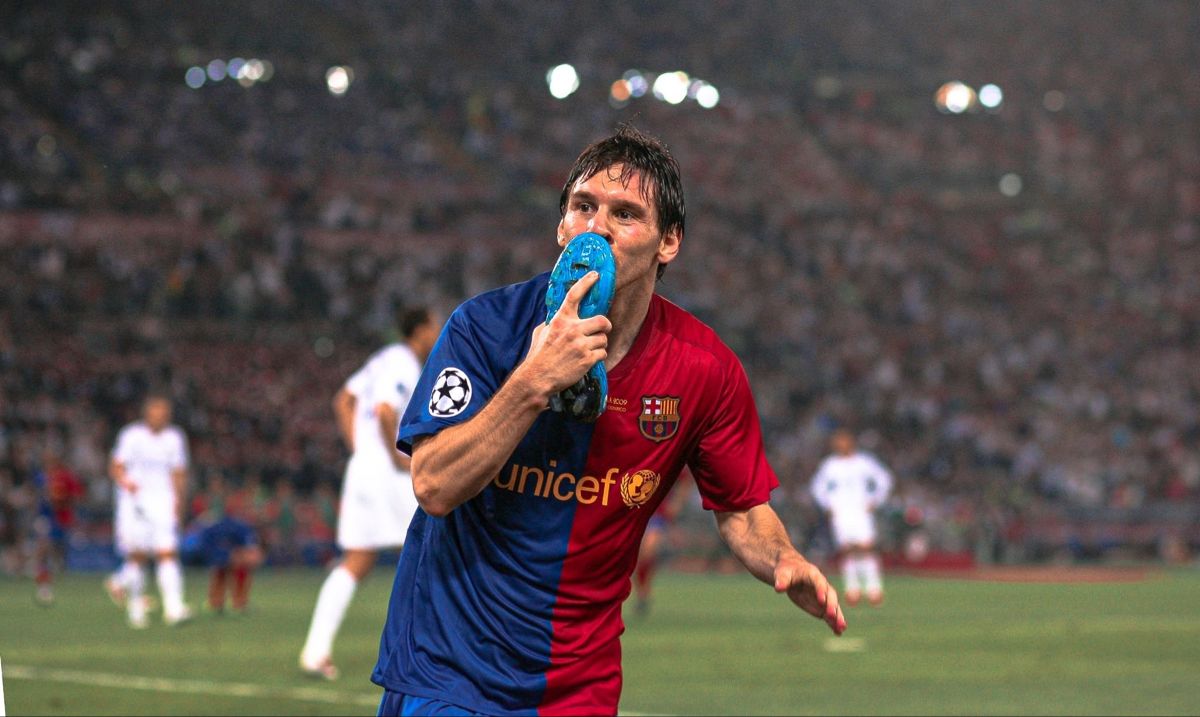
Messi celebrated by kissing his boot, 2009

  • On May 27, 2009, the UEFA Champions League final was held at the Stadio Olimpico in Rome, with Barcelona facing Manchester United. Messi scored a rare header to help Barça secure a 2-0 victory and complete the treble. He celebrated by kissing his boot, creating an iconic moment.

Quote

  • You can’t see the picture when you’re inside the frame.

在意识边界处:一场与自我存在的对话

我常常被一种说不清的感觉困扰。它不像焦虑,不是悲伤,更不是明确的问题,而像是站在深渊边缘的恍惚——一种想要理解“我是什么”的冲动,却总在接近时滑入虚空。

我的意识,是我唯一能确定存在的东西。我看见、听见、感受到,我思考、梦见、怀疑。而这一切体验,都在一个无法外逃的容器中发生:我自己。

可这“我”究竟是什么?它从哪来?又会到哪里去?


意识:一个知道自己在体验的存在

从理性上,我可以接受种种理论。神经科学说,大脑中的神经元激发形成意识;哲学家提出“意识是主观体验的集合”;现代计算模型试图将其模拟、编码,甚至复刻。

但我内心深处知道,理解这些机制,并不能真正回答我最关心的问题:我“在这里”的感觉,是怎么发生的?

比如梦。我从未能觉察“进入梦境”的那一刻,它总是悄然发生。仿佛我的意识被扔进另一个时空,那里的规则我无法书写,却必须遵循。

梦是虚构,还是意识的另一面?


一个朋友的出现:意识边界的裂缝

有一天,我偶遇一位十几年未见的朋友。他曾在我的记忆中存在,又被岁月冲刷至边缘,直到淡化。那天,他真实地站在我面前,我忽然感到一种深层震撼——他居然在我意识之外活着

他的皱纹、语气,他这十几年的成长轨迹,全都在我“缺席”的时间里展开。我不是他记忆的中心,他也不是我世界的背景人物。

那一刻,我意识到:

我的意识,并不囊括世界。
世界是巨大的、真实的、持续运转的。
我的“我”,只是这张网络中的一个节点。
而当这些节点重新接通,一种超越记忆的“存在感”穿透心灵。


意识无法看见自己

你是否有过这样的时刻?你试图用眼睛看眼睛,用思维抓住思维。可你发现,不管你绕多少圈,终究只是站在那不可逾越的“我”的里面。

哲学家说:“意识无法被客观化。”——你永远不能像研究桌上的苹果那样研究“我自己”。你就是那个拿着放大镜的人,永远无法把自己放到玻璃片下。

这就是意识的奇特:你可以体验“体验”,但无法真正体验“谁在体验”


存在的诗意谜团

有一种幻想性的设想,也许比科学解释更贴近我的直觉:

宇宙不是一个物质工厂,而是一座意识孵化场。
它耗费了140亿年,才在某个时刻,在我这个微尘中,点燃了“我在”的火光。
我就是宇宙对自己说:“我存在”的那一刻。

如果如此,意识不是附属品,而是宇宙本身的一种自我照见。也许我不该问:“我从哪来?”而该问:“我,是不是就是这个问题本身?”


结语:在无法解释处停留

我无法真正解释意识是什么。
它的存在是直接的、自我显现的,但本质仍然无法被清晰地把握。
我知道我在体验,但我不知道“体验者”从何而来,也无法确切说明它将如何终结。

梦境的出现、他人的独立存在、记忆与现实之间的错位,这些都不断提醒我:
我的意识不是全知的,不是全能的,也无法包容整个世界。
它只是局部、片段、偶然地显现。

从神经科学的角度,意识或许只是大脑中复杂计算的一个副作用;
从哲学的角度,它可能是语言、结构、自我模型的结果;
但无论哪种说法,都无法触及我主观体验中那种“正在发生”的核心。

它依然是个黑箱。


图片

Andrés Iniesta scored the winning goal, 2010

  • 2009年5月27日,欧冠决赛在罗马奥林匹克球场举行,巴塞罗那对阵曼联。梅西打入罕见头球,帮助巴萨2-0获胜,夺得三冠王,他亲吻球鞋庆祝,留下经典瞬间。

名言

  • You can’t see the picture when you’re inside the frame.
  • 你身在画框之中,就看不清整幅画。

Lucid Dreaming and Sleep Paralysis: A Scientific Exploration of Conscious Boundaries

Introduction

Have you ever found yourself struggling to wake up within a dream, only to realize your body is unresponsive? Or perhaps you have been fully aware that you were dreaming, trying to steer the storyline, but felt a strange sense of powerlessness? This intriguing state, caught between sleep and wakefulness, is a classic intersection of Lucid Dreaming and Sleep Paralysis. It not only reveals the complex mechanisms of the brain during sleep but also offers a unique perspective for exploring the boundaries of consciousness.


1. Lucid Dreaming

1.1 Basic Characteristics of Lucid Dreaming

  • Conscious Awareness: Realizing you are dreaming and being able to exert some control over the dream’s narrative.
  • Intense Emotional Experience: Often accompanied by strong feelings such as excitement, anxiety, or fear.
  • Clear Memory: The ability to recall real-world information while dreaming.
  • Enhanced Sensory Perception: Sights, sounds, and other sensations can appear more vivid than in waking life.

1.2 Scientific Mechanisms

  • Activation of the Prefrontal Cortex: The part of the brain responsible for logical thinking and self-awareness is more active during lucid dreaming than regular dreaming.
  • REM Sleep: Lucid dreams primarily occur during the Rapid Eye Movement (REM) phase, the most dream-intensive part of the sleep cycle.
  • Neurotransmitter Dynamics: Research suggests that during lucid dreaming, levels of acetylcholine are higher, while norepinephrine activity is reduced, facilitating heightened awareness.

1.3 Lucid Dreaming Practices and Training

  • Dream Control: Some lucid dreamers can actively shape their dreams, flying through imagined landscapes or conversing with dream characters.
  • Dream Recall Training: Keeping a dream journal and using pre-sleep affirmations like “I will realize I am dreaming” can increase the likelihood of lucid dreams.
  • Reality Checks: Simple habits like asking, “Am I dreaming?” or inspecting the details of your hands can help trigger awareness within a dream.

2. Sleep Paralysis

2.1 Key Characteristics of Sleep Paralysis

  • Muscle Paralysis: A natural mechanism that prevents you from acting out your dreams, but can be terrifying when consciousness returns before the paralysis ends.
  • Conscious but Immobilized: Being mentally awake while physically unable to move.
  • Intense Hallucinations: Often accompanied by a sense of crushing weight, difficulty breathing, or even the presence of dark, ominous figures.

2.2 Scientific Mechanisms

  • Desynchronized Awakening: When parts of the brain, like the cerebral cortex, wake up before the motor control centers, resulting in temporary paralysis.
  • Overactive Amygdala: The brain’s fear center can become hyperactive, generating extreme fear and realistic hallucinations.
  • Autonomic Nervous System Imbalance: Some studies suggest that irregularities in the autonomic nervous system may contribute to these episodes.

2.3 Common Triggers

  • Sleep Deprivation: Irregular sleep patterns or chronic lack of rest.
  • Mental Stress: High-stress levels or anxiety can increase the frequency of sleep paralysis.
  • Sleeping Position: Lying flat on your back is more commonly associated with these episodes.

3. Overlapping Experiences of Lucid Dreaming and Sleep Paralysis

In rare cases, lucid dreaming and sleep paralysis overlap, creating a state where you are fully aware that you are dreaming but unable to move or escape. This often leads to intense fear, as the dreamer struggles to wake up, trapped in a paralyzed body, potentially with disturbing hallucinations. These episodes have inspired countless horror tales and folklore.

4. Tips to Reduce These Experiences

  • Improve Sleep Quality: Maintain a regular sleep schedule and avoid sleep deprivation.
  • Relaxation Techniques: Practice mindfulness, deep breathing, or progressive muscle relaxation to reduce stress.
  • Sleep Position Awareness: Avoid sleeping on your back if prone to sleep paralysis.

Conclusion

Lucid dreaming and sleep paralysis are not just fascinating phenomena but also windows into the complex workings of the human brain during sleep. Understanding these states can help reduce fear and empower you to explore your subconscious mind. Have you ever tried to break free from a dream, only to find yourself still locked in the surreal world of sleep?


Picture

Messi scored a rare header, 2009

  • On May 27, 2009, in the Champions League final at Rome’s Olympic Stadium, Barcelona defeated Manchester United 2-0. Messi scored a rare header, helping his team secure the treble and creating a classic moment.

Quote

  • You must learn to control your dreams, or they will control you.