动物性的陷阱:当人类失去精神内核

在人类自诩文明与理性的时代,绝大多数人却活得越来越像被社会驯化的动物——有食物、有性、有群体,却缺乏灵魂。
他们忙碌、听话、努力,却没有方向;他们遵循“社会认可的轨迹”,却从未真正“自主选择”。这不是个体的堕落,而是整个社会结构性地在消解“人”的内核。


一、从动物性到社会性:人类的半途进化

动物的生存逻辑非常单纯:
吃、繁殖、从众、服从等级。

而人类的伟大之处,本该在于多了一层“自我意识”——反思、规划、创造、追问“我为什么要这样活”。
但讽刺的是,大多数人虽然穿着西装、拿着智能手机,却仍旧停留在动物层面:
他们工作的目的不是实现自我,而是“养家”;
生育不是出于生命的创造冲动,而是“社会期望”;
连休息都要“等别人安排”,仿佛没有外部驱动就无法生存。

他们看似融入社会,实则只是完成了生物学的延续任务——活着、繁殖、继续。


二、被社会驯化的“功能性人类”

从学校开始,社会就在系统性地消灭“自主性”。
孩子被要求服从:学习是为了考试,考试是为了升学,升学是为了工作。
这条流水线培养的不是“人”,而是“可用的劳动力”。

于是人一生的轨迹被预设:
卷学习 → 卷职场 → 生小孩 → 催下一代继续卷。

这种循环被称为“稳定”“负责任”,但其实是一种精神奴役的延续
当他们老去,退休后终于不再被强迫忙碌,却发现——
除了活着,他们不会做任何事。
没有爱好、没有思考、没有精神世界,
唯一的存在感就是依附于年轻一代的生活——这其实是一种社会性动物的空壳老去


三、虚假的“主流价值观”:群体的自我麻醉

社会对这种状态有一套极高明的自我辩护:
“努力工作是美德”“成家立业才算成功”“为孩子牺牲是伟大”。
这些道德叙事的本质,是让人们自愿地放弃自我,并感到骄傲。

群体以“道德绑架”的形式维系着稳定:
你不结婚,是不孝;
你不加班,是不努力;
你不生小孩,是自私。

而真正可怕的,是这些话语从来不是“有人强迫说出口”,而是所有人心甘情愿地复述。
人类在自我驯化的过程中,形成了一种更高层次的动物性——
理性地执行非理性的生活方式。


四、这种“动物性”真的利于人类延续吗?

表面上,这种听话的群体确实有利于种族延续:
他们生育、养育、维持社会秩序。
但从文明长远看,这恰恰是停滞的根源。

文明的推动者,从来不是这些“乖巧的动物”,
而是那些有精神内核的人——
他们敢质疑、敢拒绝、敢孤独。

如果整个社会都只有动物性的延续而没有思想的突破,
种群虽能存活,却会逐渐陷入精神萎缩文化内卷
日本的“躺平青年”、中国的“低欲望社会”、西方的“无子化浪潮”,
其实正是这种被动繁衍模式崩塌后的自然结果
当人类意识到“只是为了延续”而活着毫无意义时,
繁衍的欲望本身就失去了动力。


五、重建“内核”:从服从到觉醒

“内核”是什么?
它不是财富、不是学历、不是地位。
它是一个人面对世界时的独立思考与自我选择的能力

有内核的人,不需要别人告诉他“该做什么”,
他会主动构建属于自己的生活结构与价值坐标。
这种人可能仍旧工作、结婚、生子,
但他们知道自己为什么而活——
而不是被生活推着走。

真正的人类进化,不在于科技的飞跃,
而在于能否摆脱被社会驯化的动物性,
重新成为一个有意识地活着的存在


结语:

大部分人忙了一辈子,只完成了动物的使命。
真正的文明,不是高楼大厦,而是个体精神的觉醒。
当一个人开始质疑“为什么要这样活”时,
他已经不再是被动的动物,而重新成为了“人”。

如何面对死亡:个体、爱与社会的多维思考

看了BBC纪录片《如何死亡:西蒙的选择》,有一些思考值得深入分析。西蒙的选择不仅涉及个人的生命终结,也涉及亲密关系和社会制度的复杂张力。


1️⃣ 个体:独立存在与尊严

每个人本质上都是独立的个体。无论他多么坚持,生命终将走向终点,在衰败和疾病面前,很可能失去尊严。他的妻子迟早也要面对这一事实。如何坦然接受伴侣的离去,是妻子必须经历的人生课题。

如果说他选择提前离开是对妻子的背叛,那么,他为了妻子而痛苦地活着,而妻子因为自己不敢面对现实强迫丈夫无尊严地继续生命,这何尝不是妻子对丈夫的一种背叛呢?相互理解、理智面对、各自放开,才是尊重彼此的方式,也体现了深层的爱。

从心理学角度看,主动选择生命终结的方式可以被理解为对死亡焦虑的一种应对。个体通过掌控最后阶段的方式获得心理控制感,这在生命末期可能是缓解痛苦的重要因素。同时,这种选择也体现了存在主义中的自由意识:个体在面对死亡时拥有自主定义生命意义的机会。


2️⃣ 亲密关系:爱的复杂性

西蒙的选择揭示了亲密关系中的悖论:爱既可以表现为延续生命,也可以表现为尊重自由。不同文化和心理背景会影响伴侣如何理解死亡选择。

  • 占有式的爱希望对方留在身边,即便可能失去尊严或增加痛苦;
  • 成全式的爱允许对方按照自己的意愿离开,即便带来孤独和失落。

这一悖论提醒我们,理解和尊重可能需要超越情感本能,用理智面对死亡和分别。


3️⃣ 社会层面:群体利益与制度逻辑

社会普遍不支持安乐死,其中部分原因是这种选择不利于群体利益。人类需要个体尽力生存,才能保证群体延续,这是基因选择的逻辑。在群体利益面前,个体痛苦显得微不足道。

同时,大多数人对生死问题的思考有限,他们往往顺应日常生活和社会规范,但正是这种普遍的选择模式,在无形中支撑着群体的延续和稳定。虽然个体选择看似平凡,但其累积效应构成了群体延续的重要基础。

从社会制度角度看,医疗体系、养老制度和保险机制都是基于生命尽量延续的假设。如果广泛允许自主死亡,可能引发制度、经济和伦理的连锁反应。同时,公共道德标准有助于维持社会秩序。

从个体视角来看,自主选择死亡既是对原始求生本能的一种挣脱,也可视为对群体利益的挑战——体现了个体在现代文明中对生命终极决策的觉醒。


4️⃣ 哲学视角:自由、孤独与意义

从存在主义角度看,死亡选择体现了个体自由与孤独:

  • 自由:个体可以自主决定生命终结的方式;
  • 孤独:自由选择伴随情感与心理上的孤独,也影响亲密关系;
  • 意义:生命价值不仅在于延长时间,还在于保持尊严和主体性。

西蒙的故事提醒我们:生命不可避免会结束,但尊严、理解与自由,仍然掌握在个体和关系中。


结语

西蒙的选择反映了生命、亲密关系和社会制度之间的多维张力:

  • 个体层面,独立性和尊严是生命最后阶段的重要维度;
  • 关系层面,爱不仅体现在延长生命,更体现在理解和成全;
  • 社会层面,制度和文化在个体自由与群体利益之间起到平衡作用;
  • 同时,大多数人对生死问题的思考有限,他们的选择虽日常平凡,但正是群体延续与稳定的重要支撑。

这一事件提供了多角度思考:如何面对死亡、理解个体选择,以及在亲密关系和社会结构中处理相关问题,都是值得探讨的人生课题。

刺头与沉默的大多数:一场群体博弈的冷酷现实

社会运行的规律往往残酷而冷静。在任何人类群体中,总能看到两类截然不同的行为模式:

一类人选择沉默、妥协,遵循规则、安于现状,尽可能降低风险,在不引人注目的前提下最大化收益。人们称他们为“闷声发大财”的人。
另一类人则选择冲撞边界、质疑秩序、挑战权威,成为所谓的“刺头”。他们往往承受更大的风险,甚至遭遇同类的排斥、孤立和嘲笑。

冷静分析会发现,这两类人并非对立,而是共同构成了社会得以运转的基本机制。


1. 群体行为的概率分布

从概率和收益角度看,沉默者的选择极具理性:

  • 风险最小化:回避公开冲突,降低被排斥、惩罚、失败的概率。
  • 收益稳定:在现有秩序中持续获益,即便秩序并不完美。
  • 心理安全:妥协带来可预测性,生活更“舒心”。

这种选择是进化意义上的低风险生存策略。在一个长期博弈的社会里,绝大多数个体会倾向于降低风险,以保证自身和家族的延续。这就是“沉默的大多数”存在的必然性。


2. 刺头的社会功能

如果所有人都选择沉默,社会将缺乏自我纠偏能力,秩序会逐渐僵化甚至崩溃。于是,那些敢于质疑、挑战的少数人成为系统的“噪声”,也是推动变革的关键力量:

  • 揭露缺陷:质疑既得利益,暴露制度问题,让社会不得不面对隐患。
  • 推动进步:付出代价,迫使规则更新,改善集体环境。
  • 承担试错:像探路者一样,用自身风险为后人开路。

然而,刺头们获得的回报往往与付出不成比例。更多时候,他们冒的险让别人享受成果,他们自己却付出沉重代价。


3. 公平与规律

这种分工看似不公,却是群体博弈的自然结果:

  • 刺头创造的“公共利益”被他人搭便车享用,这是典型的公共物品困境。
  • 若人人皆为刺头,社会将付出巨大的冲突成本,陷入无休止的混乱。
  • 若完全没有刺头,社会失去自我修复能力,风险在沉默中积累,直至失控。

因此,刺头与沉默者不是非黑即白的对立,而是共同维持社会动态平衡的两极。


4. 给个体的冷静建议

是否做“刺头”,不是道德问题,而是策略问题。关键是清楚自己要什么:

  • 计算风险与收益:成为刺头意味着可能失去安全感、资源甚至地位,但也可能获得影响力与历史意义。
  • 放弃奢望理解:沉默的大多数不会感激,因为他们的逻辑是降低风险,而不是推动变革。
  • 看清规律:这不是公平与否的问题,而是社会运行的稳定解。

当你明白了这点,决策就更清醒:
选择沉默,就接受秩序带来的安全与限制;
选择挑战,就接受代价与孤独,并承担可能的长期影响。


要不要成为刺头,最终取决于你愿意付出多大的代价,换取什么样的意义。

Live Like a Program: The Key to Self-Mastery

In the fast-paced modern world, many people find themselves exhausted by the routines of study and work. After years of structured education and demanding jobs, it’s natural to start questioning: Why does life feel so draining? Some might experiment with a more carefree lifestyle in search of freedom, only to find that it often leads to even greater frustration and confusion. This paradox highlights a critical issue: the lack of control over one’s own life. Perhaps, living like a program, where we actively design our own routines and habits, is a more effective approach.


1. The Importance of Writing Your Own Life Program

1.1 Active vs. Passive Living
At its core, a program is a structured set of instructions designed to achieve specific outcomes. Our lives are no different. If we simply react to external pressures and expectations, we end up living on autopilot, driven by the demands of others. This passive approach leads to burnout and a sense of purposelessness. In contrast, actively writing your own life program gives you the power to define your own goals and priorities, creating a sense of control and fulfillment.

1.2 Feedback and Iteration
A well-written program isn’t static. It evolves through continuous testing, optimization, and iteration. Similarly, our lives benefit from regular feedback loops. Setting goals is just the beginning; regularly reflecting on your progress helps you identify what’s working and what isn’t. This allows you to refine your approach, ensuring that each decision aligns with your long-term vision.


2. The Power of Clear Goals: Avoiding the “Endless Loop”

2.1 Define Your True Purpose
Without clear goals, life can feel like a program stuck in an infinite loop — constantly running but achieving nothing meaningful. The first step to breaking this cycle is to define what you truly want. This could be a short-term objective, like learning a new skill, or a long-term mission, like achieving financial independence or building a lasting legacy. Clear goals provide direction, helping you make decisions that move you closer to your desired outcomes.

2.2 Resist the Trap of Social Expectations
Many people struggle because their goals are shaped by societal norms or the expectations of others, rather than their own desires. This often leads to a lack of fulfillment, as the goals we pursue don’t align with our true selves. Choose goals that reflect your unique values and aspirations, not just what others expect of you.


3. Managing Emotions to Reduce Internal Friction

3.1 Emotions as the Enemy of Efficiency
In programming, smooth and uninterrupted execution is key to efficiency. In life, too much emotional noise can disrupt our focus and lead to poor decision-making. Learning to manage these emotions, or even temporarily suppress them when necessary, is crucial for staying on track.

3.2 Embrace Short-Term Pain for Long-Term Gain
Tasks that initially feel uncomfortable, like exercising, studying, or maintaining discipline, often bring long-term benefits. Avoiding these challenges only leads to ongoing regret and self-doubt. Instead, face these short-term discomforts head-on, understanding that they are essential for long-term growth and satisfaction.


4. The Power of Habit

4.1 Building Positive Feedback Loops
Habits are the foundation of a well-optimized life. Once a positive behavior becomes habitual, it no longer drains your mental energy. It becomes a natural part of your routine, providing a steady stream of positive feedback that reinforces your progress.

4.2 Thinking in “Modules”
Break down your life into smaller, manageable “modules,” much like a well-structured program. This approach not only simplifies complex challenges but also makes it easier to track progress and make adjustments over time.


5. Conclusion: Mastering the Art of Self-Programming

Living like a program isn’t about becoming robotic or emotionally detached. It’s about taking control of your life, setting clear goals, minimizing emotional distractions, and continuously optimizing your actions. When you become the author of your own life script, you can break free from passive routines and truly live with purpose and intention.


Picture

Messi scored twice — including his iconic goal after dribbling past Boateng, 2015

  • On May 6, 2015, in the Champions League semifinal first leg at Camp Nou, Barcelona faced Bayern Munich as Messi scored twice — including his iconic goal after dribbling past Boateng — before Neymar added a stoppage-time strike to seal a 3–0 victory, marking one of the Champions League’s classic nights.

Quote

  • We are what we repeatedly do. Excellence, then, is not an act, but a habit.”

像程序一样生活:自我掌控的关键

在现代社会,很多人对规律生活感到厌倦,甚至怀疑人生的意义。尤其是经历了漫长的应试教育和职场磨练后,很多人开始反思:为什么我们的生活总是如此疲惫? 尝试放纵自己,摆脱这些束缚后,却发现很多时候结果并不如人意,甚至带来更多的困扰。这种困惑往往源于缺乏对生活的自我掌控感。也许,像程序一样生活,为自己编写一套自主的生活系统,是一个更有效的方法。


1. 自主编写生活程序的重要性

1.1 主动 vs. 被动
程序的核心在于逻辑和控制流,而我们的生活也是如此。如果不主动掌控生活节奏,就会被外界的干扰和情绪左右。我们常常陷入疲惫,是因为许多行为和选择并非出于自愿,而是迫于外界压力。如果只依靠他人设定的规则前行,就会缺乏内在的动力和方向感。

1.2 反馈和优化机制
优秀的程序不仅仅是一次性编写,还需要不断测试、优化和迭代。同样地,生活也需要反馈机制。在设定目标后,通过定期反思和复盘,可以发现哪些行为真正有效,哪些只是徒劳。不断调整自己的“代码”,才能更接近理想状态。


2. 目标的明确性:避免“空转”

2.1 设定明确的目标
没有目标的人生,就像一段没有出口的循环代码,永远在执行却没有结果。因此,首先要明确自己想要什么。这个目标可以是短期的,比如掌握一项新技能,也可以是长期的,比如实现财务自由或提升个人影响力。只有在明确目标的基础上,才可能制定有效的行动计划。

2.2 拒绝盲目从众
很多人陷入迷茫,是因为他们的目标来自他人的期望或社会的默认标准,而不是自己的内心。如果仅仅为了符合外界的定义而设定目标,最终只会迷失在他人的评价中。因此,设定目标时应基于自身的兴趣和长远的需求,而非盲目追随他人的脚步。


3. 控制情绪,减少内耗

3.1 情绪是效率的敌人
人类的情绪往往是高效决策的最大敌人。在程序运行时,不受干扰的逻辑控制是高效运作的基础。生活也是如此,过多的情绪干扰只会让人变得犹豫不决,甚至在关键时刻错失机会。因此,减少不必要的情绪波动,是提高效率的关键。

3.2 客观看待“痛苦”
很多任务在开始时会让人感到痛苦,比如健身、学习、甚至日常的自律。但这种痛苦通常是短暂的,如果因为短期的不适而逃避,反而会带来长期的内心折磨和懊悔。正视痛苦,把它视为成长的一部分,才能在长期中获益。


4. 习惯的力量

4.1 形成正向反馈
习惯是一种无形的力量,当你将有益的行为变成习惯后,它将不再依赖意志力或情绪,而成为自然而然的行动。这不仅能减少决策疲劳,还能持续带来正向反馈,进一步强化你的信念。

4.2 用“程序化”思维改造生活
将生活模块化,把日常任务拆分成简单的步骤,并定期优化。这种“程序化”思维不仅可以提高效率,还能帮助你在面对复杂问题时更加冷静和理性。


5. 结论:自主生活的终极目标

像程序一样生活,并不是要让自己变得冷漠或机械,而是要主动掌控生活的节奏。明确目标,减少情绪干扰,持续优化自己的行为,最终形成积极的生活习惯。只有掌握了这套生活“代码”,我们才能真正摆脱被动,活出自我,实现持续的成长和满足。


图片

Messi scored twice — including his iconic goal after dribbling past Boateng, 2015

  • 2015年5月6日,欧冠半决赛首回合在诺坎普进行,巴萨对阵拜仁,梅西先后破门并晃倒博阿滕打入经典一球,补时阶段内马尔再下一城,最终巴萨3比0取胜,这一战成为欧冠经典时刻。

名言

  • We are what we repeatedly do. Excellence, then, is not an act, but a habit.”
  • 我们就是反复所做之事的总和。因此,卓越不是一种行为,而是一种习惯。

After Seeing Many Graves, One Learns to Be at Peace

As the years go by, many people—having endured pain and helplessness in life—find themselves drawn, almost unconsciously, toward history, artifacts, and ancient tombs. This interest is not driven by curiosity alone, but rather a deeper psychological response: an individual’s reflection on history and the meaning of life, rooted in personal experience.

This transformation carries multiple layers of awakening and understanding.


1. From Life Experience to Resonance with History

In moments of suffering and loss of control, people often seek a form of spiritual support that transcends the present. Tombs and artifacts—seemingly remote and silent—offer a gaze across time. In a grave, we see not only the endpoint of death but also a reminder of life’s true scale.

When you look at remains and burial objects from a thousand years ago, you realize: the trivial worries and obsessions that consume us today are not worth clinging to. In the vast river of time, they hardly qualify as “important.”


2. Gazing at Dust: The Awareness of Death and the Measure of Life

“To return to dust” is not a pessimistic surrender, but a profound insight into life’s final destination.

Objects, patterns, and murals in ancient tombs silently narrate stories of past glory and decline. No matter how powerful or dominant someone was in life, all eventually return to stillness. This “aesthetics of dust” helps us grasp life’s finitude and fragility, reminding us that if we are destined to vanish, then our choices while alive matter all the more.

This is the awakening of “death awareness.” As Heidegger put it, genuine existence comes from “being-toward-death.” It is not about fearing death, but about recognizing the inevitability of the end in order to re-evaluate the meaning of the present moment and our choices.


3. The Awakening of a Historical Sense in Maturity

“As children, history feels distant,” because young lives lack depth, experience is shallow, and perspectives are narrow. Youth are easily driven by immediate emotions and desires, making “history” and “time” seem remote and unreal.

But once we have weathered storms and faced impermanence, we begin to understand: history is not merely dates in a textbook, but a force that runs through life itself. It is silent, yet constantly shaping our thoughts and our being.


4. Seeing Ourselves Through the World of the Ancients

Standing before an ancient tomb, staring at the patterns worn by centuries, our minds inevitably drift back to that era. In that moment, we are no longer just modern individuals but beings capable of resonating with people who lived a thousand years ago.

They too once yearned for splendor, feared aging, clung to meaning. Now they sleep, while we walk. This sense of empathy that transcends time deepens our understanding of life itself.

A tomb is not a symbol of death, but evidence that human beings once lived, struggled, and loved with intensity.


5. The Ultimate Perspective: From Struggle to Acceptance

“To see many graves and grow calm” does not mean indifference but a profound compassion. It signifies that you have come to realize: many entanglements are not worth a lifetime’s energy; many conflicts will fade into silence with the passing of years.

This transformation of mind is not an escape. It emerges naturally once you place emotions into the vessel of time and history, allowing them to “settle,” and what remains is a loosening, a release.


6. Conclusion: What Seems Somber Is Actually Life’s Tenderness and Clarity

What history, tombs, and artifacts give us is never an excuse to escape reality, but a sense of scale. They help us re-examine: what is truly important, what can be let go, and what is worth holding onto.

Sometimes, only by passing through time can we truly return to the present.
Sometimes, only by seeing dust can we better see the light of life.


Picture

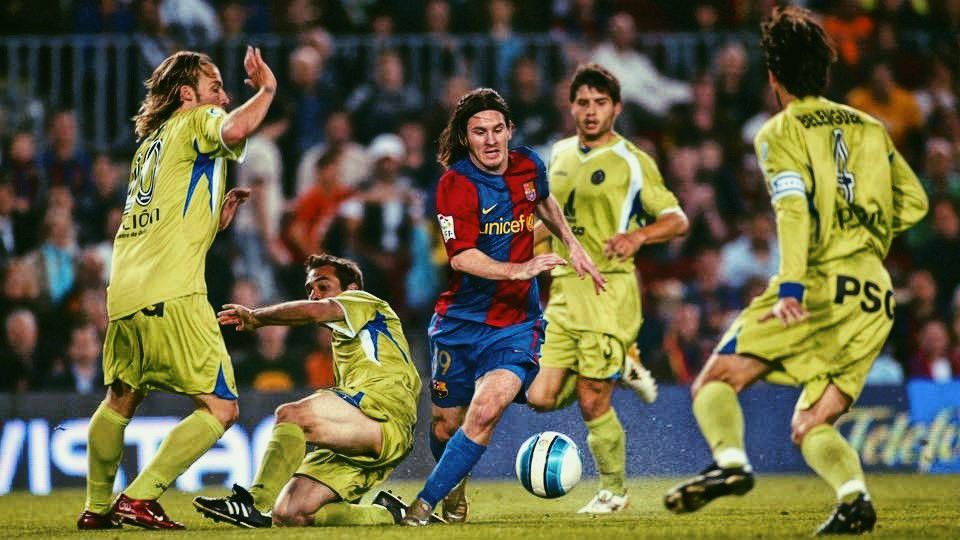
19-year-old Messi scored a legendary goal, 2007

  • On April 18, 2007, in the Copa del Rey semifinal first leg at Camp Nou against Getafe, a 19-year-old Messi scored a legendary goal after dribbling past multiple players from midfield, hailed as the “New Maradona Goal.”

Quote

  • All that we are is the result of what we have thought.

墓地看多了,对很多事就坦然了

随着年岁渐长,许多人在经历过生活中的痛苦与无奈之后,会不自觉地被历史所吸引,开始走近文物、走进古墓。这种兴趣,并非出于猎奇,而是一种深层的心理回应——一个人从个体生命经验出发,对历史与人生意义所展开的深刻反思。

这类转变,其实包含了多个层次的觉醒与理解。


一、从人生经验走向历史的共鸣

人在痛苦与失控的时刻,常会寻找某种超越当下的精神寄托。古墓、文物这些看似遥远的事物,因其沉默与久远,反而构成了一种穿越时间的凝视。我们在墓中看到的,不只是死亡的终点,也是一种生命尺度的提醒。

当你看见千年前的残骸与陪葬之物,就会意识到:那些今天令我们焦虑、执念的细枝末节,其实并不值得耿耿于怀。在时间长河中,它们甚至称不上“重要”。


二、对“尘土”的凝视:死亡感与生命的尺度

“一切化尘土”并非悲观的放弃,而是一种对终极归宿的深切领悟。

古墓中的器物、纹理、壁画,在无声中诉说着一段段过去的辉煌与消逝。哪怕生前如何权势滔天,最终也都归于沉寂。这种“尘土美学”,让我们开始真正理解生命的有限与脆弱,也提醒我们:既然注定归于无形,那么活着时的选择尤为重要。

这是“死亡意识”的觉醒。正如海德格尔所言,真正的存在感来自“向死而生”。不是恐惧死亡,而是通过意识到终点的必然,来重新评估此刻的意义与选择。


三、成长中的“历史感”觉醒

“年幼对历史感觉不深”,因为那时的生命还没有厚度,经验尚浅,视角单一。年轻人容易被当下的情绪与欲望驱动,对“历史”“岁月”感到遥远而陌生。

可当我们亲历风雨,开始面对无常,就会慢慢明白:历史并非课本上的年代,而是一种贯穿生命的力量。它沉默,却始终在影响着我们的思想与存在。


四、从古人之境照见今人之心

站在古墓前,看着被岁月侵蚀的花纹,我们脑中不自觉穿越到那个年代。那一刻,我们仿佛不再是现代人,而是能与千年前的人产生共鸣的存在。

他们也曾贪恋繁华,也曾惧怕衰老,也曾执着意义;如今他们沉睡,我们行走。那份超越时空的共情感,让我们对生命本身产生更深的体会。

古墓并非死亡的象征,而是人类真实活过、挣扎过、热烈过的证据。


五、终极视角下的情绪转化:从纠结到坦然

“墓地看多了,对很多事就坦然了”并非一种冷漠,而是一种深沉的慈悲。它意味着:你终于开始明白,许多纠结其实不值得一生耗费;许多争执,终将在岁月中归于静默。

这种心境的转化,不是逃避,而是当你用时间与历史作为容器,将一切情绪放进去“沉淀”之后,所自然产生的松动与释怀。


六、结语:看似悲凉,其实是生命的温柔与清醒

历史、古墓、文物给予我们的,从不是逃避现实的借口,而是一种“尺度感”。它帮助我们重新审视:什么是重要的,什么可以放下,什么才值得坚持。

有时候,只有穿越时间,才能真正回到当下。
有时候,看见尘土,反而更能看见生命的光。


图片

19-year-old Messi scored a legendary goal, 2007

  • 2007年4月18日,巴塞罗那在国王杯半决赛首回合主场对阵赫塔费,年仅19岁的梅西从中场连过数人打进经典进球,被誉为“新马拉多纳进球”。

名言

  • All that we are is the result of what we have thought.
  • 我们的一切,皆源自我们的思想。

Why Do We Fear Cemeteries Even If We Don’t Believe in Ghosts?

Many people consider themselves rational and don’t believe in ghosts. Yet, when walking alone into a cemetery at night, uneasiness and even fear can arise. This reaction is not a remnant of superstition, but rather the result of human psychology and cultural memory working together.

This question is quite typical and reflects the complexity of human psychology and culture. Simply put: even if we don’t believe in ghosts on a rational level, our emotions and subconscious are still influenced by evolution, instinct, and culture.


1. Evolutionary Instincts and Environmental Triggers

The human brain has been shaped over a long evolutionary process. For survival, our ancestors had to stay alert in dark, desolate, and silent places (like forests, caves, or graveyards) because predators or enemies could be lurking.

Even today, in our relatively safe societies, this instinctive vigilance toward the unknown or toward “death-charged” environments remains buried in our subconscious, manifesting as unease and fear.

A cemetery is exactly this kind of place: “low visibility + silence + emptiness.” Such settings naturally activate our built-in alarm systems. When light, companionship, and control are absent, fear can operate like an “auto-start” program, immediately triggered.

What we fear is not ghosts, but potential danger and uncertainty.


2. Cultural Conditioning and Subconscious Influence

From childhood, we are repeatedly exposed to stories, legends, and films that portray cemeteries, night, and the supernatural as frightening. These cultural messages become embedded in our collective memory.

Even if you don’t believe in ghosts rationally, standing alone in a cemetery can activate these cultural associations, producing unease.

For example, many people don’t actually fear “ghosts,” but if they walk alone at midnight through a dark hallway, an abandoned house, or a cemetery, they become inexplicably tense. It’s not belief—it’s the brain automatically linking such environments to danger or impurity.

When you find yourself in that setting, your brain pulls up the “horror scene template,” amplifying tension and fear. What you fear is not a specific ghost, but the cultural framework equating cemeteries with danger.


3. The Innate Fear of Death

A cemetery symbolizes death, and humans are naturally inclined to fear or revere it. Even if you are an atheist, it’s impossible to face death without any psychological reaction.

What frightens us is not necessarily “ghosts,” but the fact that in a cemetery, we are forced to confront death itself—an existential unease:

  • “One day, I too will die.”
  • “What happens after death?”
  • “Does life have meaning?”

These questions are not about belief in ghosts, but about the natural human response to recognizing our own finitude.

Standing in a cemetery, you are not fearing spirits—you are facing your own mortality. Questions like “What is the meaning of life?” or “What happens after I’m gone?” quietly surface, stirring deep anxiety and dread. This is existential fear, tied not to superstition, but to consciousness itself.


Conclusion: To Be Human Is to Fear

What you fear is not ghosts, but:

  • Potential danger and uncertainty (evolutionary instincts + environmental triggers)
  • The symbolism of death (existential fear)
  • Cultural conditioning (collective subconscious)

Therefore, even without belief in ghosts, feeling uneasy or frightened when walking alone through a cemetery at night is completely natural.
It’s not a matter of superstition—it’s a matter of being human.

Fearing cemeteries doesn’t mean you’re irrational; it simply shows you still possess a complete human psychology.


Picture

Sergi Roberto scored the decisive sixth goal, 2017

  • On March 8, 2017, in the Champions League Round of 16 second leg at Camp Nou, Barcelona’s Sergi Roberto scored the decisive sixth goal in stoppage time to complete a 6–1 victory over Paris Saint-Germain, sending Barça through 6–5 on aggregate.

Quote

  • Courage is resistance to fear, mastery of fear, not absence of fear.

即使不信鬼神,为何仍害怕墓地?

许多人自认为理性,不相信鬼神。但当夜深人静,一个人走入墓地时,内心仍会泛起不安,甚至恐惧。这种心理并非迷信的残余,而是人类心理结构与文化记忆共同作用的结果。

这个问题非常典型,背后其实反映的是人类心理和文化的复杂性。简单来说:即使理性上不相信鬼神,情感和潜意识层面依然会受到进化、本能和文化的影响


一、进化留下的本能反应与环境触发

人类的大脑是经过漫长进化形成的,为了生存,我们的祖先在黑暗、荒凉、死寂的地方(比如森林、洞穴、坟地)本能地会保持高度警觉。这种机制让他们能更快地发现潜在的掠食者或敌人。

即使今天我们生活在相对安全的社会中,这种对“未知”或“死亡气息”环境的本能警觉仍然深埋在潜意识中,转化成一种紧张、害怕的感觉。

墓地正是一种典型的“低可见度 + 静谧 + 无人”的场所,自然会激活这种本能预警机制。人在缺乏光线、缺乏同伴、缺乏控制感的情境中,恐惧就像一种“自动启动”的情绪程序,被迅速唤醒。

害怕的不是鬼,而是对潜在危险和不确定性的高度敏感。


二、文化暗示的潜移默化

从小到大,我们被各种故事、传说、影视剧反复灌输“墓地”、“夜晚”、“灵异”等场景是恐怖的。这些信息进入了我们的文化记忆里。

哪怕你理智上不信鬼神,但当你独自身处墓地时,大脑中这些潜在的文化暗示会被激活,导致你出现恐惧或不安。

比如很多人不怕“鬼”,但一个人半夜走进停电的走廊、废弃的房屋、墓园,都会莫名紧张——不是因为相信鬼,而是因为大脑已经自动联想到“这类地方是危险或不干净的”。

当你置身其中,大脑会自动调出“恐怖场景”模板,加剧紧张和不安。你害怕的不是某种特定的“鬼”,而是整个文化框架中“墓地=危险”的心理图式。


三、对死亡的本能恐惧

墓地是死亡的象征,人类天生就有对死亡的敬畏或恐惧。哪怕你是无神论者,也不可能对死亡毫无心理反应。

害怕的不一定是“鬼”,而是我们在墓地这种场所,被迫直面“死亡”的事实,那是一种存在主义的不安:

  • “我总有一天也会死”
  • “死亡之后是什么?”
  • “人生是否有意义?”

这些问题不是鬼神信仰的问题,而是人类意识到自己有限性时的自然反应

站在墓地,你不是在怕鬼,而是在面对自己的有限性。那些“人生有什么意义”“死后会怎样”的问题,会悄然浮现,让人产生深层次的焦虑与不安。这是一种存在主义的恐惧,与鬼神无关,和意识本身有关。


结语:人之为人,必然害怕

你不是怕鬼,而是怕:

  • 潜在的危险与不确定性(进化本能 + 环境触发)
  • 死亡的象征(存在主义恐惧)
  • 社会文化暗示(集体潜意识)

因此,即使完全不信鬼神,一个人深夜走进墓地,感到不安和害怕也完全合理。
这不是信仰问题,而是人之为人的心理结构使然

害怕墓地,不代表你迷信,而恰恰说明你还拥有完整的人类心理。


图片

Sergi Roberto scored the decisive sixth goal, 2017

  • 2017年3月8日,欧冠八分之一决赛次回合在诺坎普进行,巴萨球员罗贝托补时打进第六球,帮助巴塞罗那6比1逆转巴黎圣日耳曼,总比分6比5晋级八强。

名言

  • Courage is resistance to fear, mastery of fear, not absence of fear.
  • 勇气并不是没有恐惧,而是对恐惧的抵抗与掌控。

Why Do Some People Enjoy Visiting Ancient Tombs?

In popular imagination, cemeteries are often associated with fear, gloom, or the supernatural. They are seen as places to avoid. Yet, in reality, many people are fascinated by ancient tombs, mausoleums, and epitaphs, even embarking on what could be called “tomb tourism.” Sites such as the Mausoleum of the First Qin Emperor, the Ming Tombs, the Cemetery of Confucius, and the Tomb of Yue Fei attract millions of visitors every year.

Why would anyone not only feel unafraid of such “houses of the dead,” but actually enjoy them? Far from being a morbid obsession, this reflects a deeper human engagement with history, mortality, mystery, and self-reflection. Let’s break it down into several main reasons:


1. Reverence for History and the Pursuit of the Past

For many, tombs are not merely burial sites but tangible relics of history.

  • Tombs are time capsules: The resting places of emperors, poets, generals, and thinkers often embody the aesthetics, beliefs, and social order of their age.
  • “Tomb equals history”: Long before cameras or the internet, epitaphs, funerary objects, and burial structures served as invaluable first-hand records of past civilizations.
  • For history enthusiasts, a tomb is a portal into another world—an archaeological gateway into human memory.

→ They are not looking at “a grave,” but at evidence of history.


2. Philosophical Interest in Death and the Meaning of Life

Others step into cemeteries because they are compelled by the ultimate question: death.

  • Standing before a gravestone, one naturally wonders: What endures after a life ends? Fame? Deeds? Silence?
  • Philosophers such as Heidegger insisted that “to face death is the first step toward authentic life.”
  • For reflective or artistic personalities, cemeteries become spaces for existential contemplation—where the brevity and value of life become clearer.

→ They are not staring at “death,” but seeking the meaning of life.


3. Curiosity About the Mysterious and the Unknown

Ancient tombs often carry an aura of mystery—especially imperial mausoleums, undeciphered epitaphs, unusual chamber designs, or vanished civilizations.

  • Tomb exploration feels like an adventure, a step beyond ordinary boundaries.
  • Even skeptics who dismiss ghosts may be drawn to the atmosphere of the “underground world.”
  • This is also why tomb-raiding novels and archaeological adventure films remain popular: they blend thrill, mystery, history, and the boundary of life and death into one irresistible experience.

→ They are not looking at “remains,” but at the unknown world.


4. Personality Traits: Calm, Reflective, and Comfortable With Solitude

From a psychological perspective, people who enjoy visiting tombs often share certain traits:

  • Low fear response: Their minds are less prone to panic when confronted with death or the eerie.
  • Reflective temperament: They tend to turn inward, using such places as triggers for thought.
  • Tolerance for solitude: They do not find cemeteries lonely; rather, they experience them as tranquil.

For such individuals, a cemetery is not threatening but a special, accessible space outside daily routine.


5. Emotional Connection: Remembrance and Respect for the Departed

When visiting the tombs of famous figures—such as Yue Fei, Confucius, Li Bai, or Lin Zexu—people often feel not horror, but reverence.

  • “Standing where he rests, I sense his aspirations and regrets.”
  • “I am not visiting a grave, but a spirit.”

Through this lens, a tomb becomes more than a burial—it transforms into a carrier of cultural memory and a site of collective remembrance.


Summary: A Cemetery Visit Is a Spiritual Journey, Not a Morbid Fixation

Liking ancient tombs is not about enjoying the macabre. It is about entering different dimensions of human experience:

Motivation Type Key Meaning
Historical Interest Tombs as living history, culture, and art
Philosophical Inquiry Cemeteries as spaces to reflect on mortality and meaning
Curiosity & Adventure Tombs as gateways to mystery and the unknown
Personality Traits Calm, introspective, solitude-tolerant
Emotional Reverence Respect and remembrance for great figures

For those drawn to them, tombs are not terrifying but offer a unique spiritual journey—a dialogue with time, mortality, and civilization itself.


Final Reflection

To some, a cemetery represents fear. To others, it embodies:

  • a historical relic,
  • a philosophical mirror,
  • a boundary of mystery,
  • a shelter for reflection,
  • a shrine of cultural memory.

Thus, the interest in ancient tombs reflects not morbidity but maturity—a willingness to face time, death, and heritage without denial.

Just as some find meaning in stargazing or ruins, others find it among tombstones. In the end, we are all trying, in our own ways, to understand ourselves, the past, and our destiny.


Picture

Cristiano Ronaldo leapt high to score a header, 2013

  • On February 13, 2013, in the first leg of the UEFA Champions League Round of 16, Cristiano Ronaldo leapt high to score a header against his former club Manchester United at Real Madrid’s home ground.

Quote

  • To philosophize is to learn how to die.